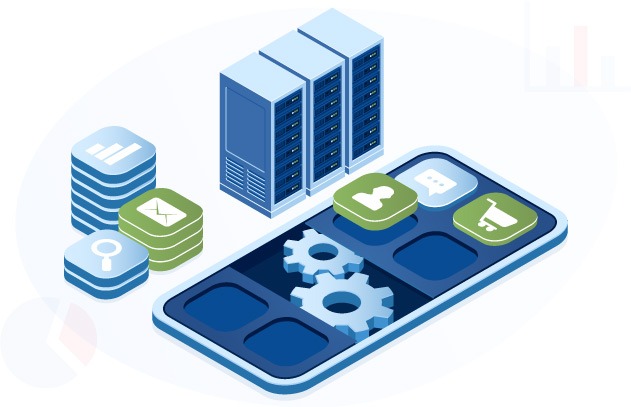
Enterprises invest in server application software because it supports people, not just machines. It brings clarity to complex systems and protects the reliability that teams depend on every day. It simplifies work for IT professionals and strengthens security across the organization. Most importantly, it grows alongside the business and adapts to changing needs.
When technology feels supportive, teams work with confidence and focus. Organizations make decisions with clearer insight and greater trust. Server application software helps create this balance between control and care. It turns infrastructure into a foundation that feels steady and human, and ready for what comes next.
The reasons below explain why this investment continues to matter across modern business environments.
1. It Brings Clarity and Control to Complex Server Environments
As enterprises grow, their server environments often expand across locations, teams, and workloads. Without the right tools, visibility becomes limited and control weakens.
Server application software helps teams regain a clear view of what runs where and how systems perform each day. As everything connects through a central platform, teams can track server health, application activity, and system status without confusion.
This clarity helps IT teams act with confidence instead of reacting under pressure. Leaders also gain better insight into how technology supports business goals.
How centralized visibility supports daily operations
- It shows real-time server and application status in one place
- It helps teams spot issues before they affect users
- It supports faster decisions through clear system insights
With this level of control, enterprises reduce uncertainty and create a calmer, more predictable IT environment. Server application software becomes a trusted guide rather than a hidden technical layer.
2. It Improves Reliability and Reduces Service Disruptions
Reliability matters because every application supports real people and real work. When systems slow down or stop teams lose time, focus and trust. Enterprises invest in server application software to protect reliability and keep services running smoothly.
These platforms help teams monitor performance trends and detect unusual behavior early. When issues appear teams can respond quickly and fix problems before users feel the impact. This proactive approach reduces downtime and protects business continuity.
Ways server application software supports system stability
- It tracks performance patterns over time
- It alerts teams when systems behave unexpectedly
- It supports faster recovery through guided actions
As a result enterprises create systems that feel dependable and steady. Employees work with fewer interruptions and customers experience consistent service. Over time this reliability strengthens confidence across the organization.
3. It Simplifies Daily Management Tasks for IT Teams
IT teams manage many responsibilities each day. They support users, maintain systems, plan updates and protect data. Without the right tools this workload can feel overwhelming. Server application software simplifies daily tasks and helps teams work with greater focus.
Automation plays a key role here. Routine activities like updates monitoring and configuration become easier to manage. This saves time and reduces manual effort which lowers the risk of errors. Teams can then focus on meaningful work that supports business growth.
Practical ways automation improves IT efficiency
- It reduces repetitive manual steps
- It ensures consistent system settings
- It frees time for planning and improvement
By simplifying daily work server application software supports healthier workloads and better job satisfaction. Teams feel supported rather than stretched which leads to stronger outcomes over time.
4. It Supports Secure and Consistent Operations
Security remains a shared responsibility across the enterprise. While IT teams lead security efforts everyone depends on safe and consistent systems. Server application software helps organizations maintain strong security practices without adding complexity.
These platforms help teams apply policies, track changes and maintain consistent configurations across servers. When systems follow clear standards, risks decrease, and audits become easier to manage. This consistency supports trust with partners, customers, and internal teams.
How consistency strengthens enterprise security
- It helps apply security settings across systems
- It tracks changes and system history
- It supports compliance with internal standards
With server application software, security becomes part of daily operations rather than a separate task. This integrated approach helps enterprises stay prepared and confident in a changing threat landscape.
5. It Scales With Business Growth and Changing Needs
Enterprises rarely stay the same for long. Teams grow, applications evolve, and new services appear. Technology must support this change without disruption. Server application software offers flexibility that helps systems adapt as the business moves forward.
Because these platforms support modular growth, enterprises can add servers, applications,s or locations without losing control. IT teams maintain visibility and consistency even as environments expand. This scalability supports long-term planning and reduces future complexity.
How scalable management supports growth
- It adapts to new workloads smoothly
- It supports expansion without major redesign
- It maintains performance as demand increases
By investing in server application software, enterprises prepare for growth with confidence. Systems remain stable while the business explores new opportunities.
Conclusion
Businesses want systems that feel stable, clear, and supportive rather than confusing or distant. This is where server application software plays a meaningful role. It helps teams manage servers, applications, and data in a way that feels organized and dependable.
Server application software does not exist only for IT experts. It supports everyone who depends on reliable systems to complete work on time. When applications respond well, teams feel confident and focused. Over time, this trust supports stronger planning, better service, and smoother growth.