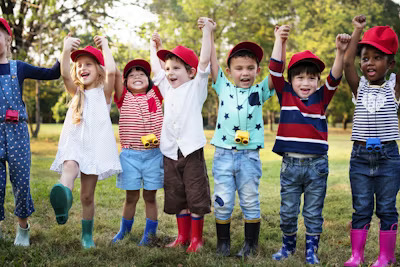
Introduction: Why Self Esteem Starts in the Sandbox
Picture this: a group of kindergarteners building a tall block tower together. One child places the final block on top it wobbles but stays. Instantly, the group cheers, and the little builder beams with pride.
That simple moment? It’s more than play. It’s confidence forming, self-assurance growing, and teamwork unfolding all wrapped into one joyful activity.
For teachers, play isn’t just a break from learning it is learning. Through classroom games, preschool activities, and social interactions, teachers can help children who might lack confidence begin to see themselves as capable, creative, and valued.
Let’s explore how you can use play as a powerful tool to build self esteem in kindergarteners one game, one laugh, and one high-five at a time.
Why Play Is the Foundation of Confidence
In early childhood, play is the natural language of learning. It’s how children test ideas, solve problems, and build social skills without even realizing they’re doing it.
When kids engage in confidence-building activities for preschoolers, they’re not just learning to share or count blocks; they’re learning something deeper:
- “I can do things.”
- “I can try again.”
- “I belong.”
For a child with low self esteem, play can be transformative. It gives them safe opportunities to take small risks like joining a group game or speaking in front of peers and then feel proud of their success. That sense of accomplishment slowly builds self confidence and resilience, both inside and outside the classroom.
Classroom Activities That Build Self Esteem Naturally
Teachers can weave self-esteem activities for kindergarteners right into daily routines. The goal isn’t to lecture kids about confidence it’s to help them live it.
Here are a few playful ideas:
1. “I Did It!” Walls
Create a classroom display where kids can post drawings, crafts, or new skills they’re proud of. It visually reinforces achievement and helps children celebrate each other’s progress.
2. Compliment Circles
During circle time, have each child share one kind thing about another student. This strengthens social interactions and teaches empathy a vital part of self assurance.
3. Team-Building Games
Simple classroom games like “Build the Tallest Tower” or “Pass the Smile” promote teamwork, communication, and confidence through collaboration rather than competition.
4. Mirror Play
Let kids look into mirrors and practice affirmations like “I am smart,” “I am kind,” or “I can do hard things.” This small but powerful self-healing exercise encourages positive self-talk.
5. Role-Playing Adventures
Turn the classroom into a mini stage. Whether pretending to be astronauts or shopkeepers, role play helps children test new identities, build imagination, and strengthen their self esteem.
Addressing the Quiet Ones: Helping Children Who Lack Confidence
Every teacher knows that one child who hangs back, avoiding group games or eye contact. For these kids, play can feel intimidating at first but it’s also their bridge to belonging.
Start small. Pair them with a gentle, confident classmate for partner activities for kindergarteners. Celebrate even tiny steps like raising a hand or joining in a song. The goal isn’t instant transformation, but gradual self assurance through consistent, positive reinforcement.
And remember: modeling matters. When teachers stay calm, patient, and encouraging a sort of “peaceful parent” energy in the classroom kids feel safe to take emotional risks and grow their self confidence organically.
The Long-Term Impact: Play as a Path to Self Healing
It might sound surprising, but playful learning in early years lays the groundwork for long-term academic performance and emotional health.
Children who feel capable and confident at age five are more likely to:
- Participate actively in class
- Take creative risks in problem-solving
- Build strong friendships
- Bounce back faster from setbacks
In essence, play doesn’t just build skills it builds self belief.
Conclusion: Small Games, Big Growth
Boosting self esteem in kindergarteners isn’t about perfection or competition it’s about progress, connection, and joy. As a teacher, every high-five, every “You did it!”, every silly game you play is shaping a child’s view of themselves for years to come.
So, the next time your classroom erupts in giggles during a game of “Simon Says,” remember you’re not just entertaining kids. You’re empowering them.