
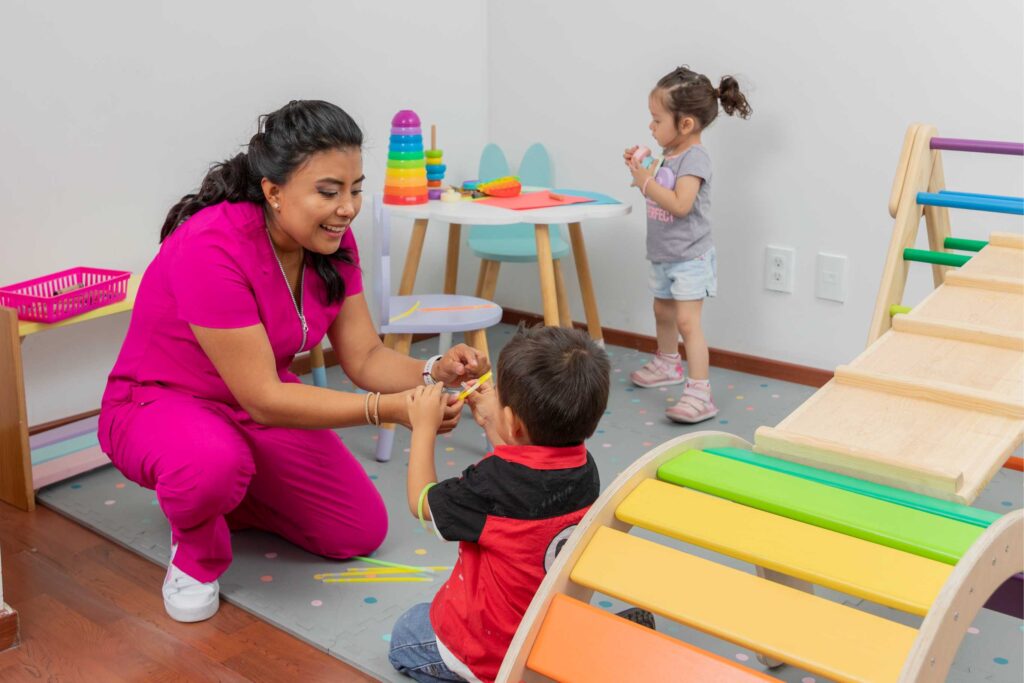
When it comes to finding the best care option for your little one, parents often find themselves comparing in home child care and daycare. Both options have their unique advantages, but many families today are leaning toward the personalized, flexible, and comforting environment of in-home care. The decision often depends on the child’s personality, the parents’ schedules, and the overall family dynamic. However, for those seeking a nurturing and individualized experience, in-home care is becoming an increasingly popular choice.
In this article, we’ll explore the many benefits that make in home child care stand out compared to traditional daycare centers. From one-on-one attention and flexible routines to safety, emotional bonding, and cost-effectiveness, you’ll discover why more parents are opting for in-home care as a trusted alternative.
The Personalized Attention Children Deserve
One of the greatest advantages of in home child care is the personalized attention each child receives. Unlike in daycare centers, where one caregiver may manage a group of 10 or more children, in-home caregivers typically work with only one or a few kids. This allows them to focus on your child’s specific needs, interests, and development pace.
Children thrive when they receive consistent and individualized care. A caregiver in a home setting can tailor activities based on your child’s learning style—whether it’s reading, art, outdoor play, or hands-on exploration. For example, if your child is shy or struggles with transitions, an in-home caregiver can gently introduce new activities at a comfortable pace, ensuring the child feels safe and confident.
Personalized care also means more time for meaningful interactions. These one-on-one moments—reading a story, having a snack, or playing together—are invaluable for building trust, communication skills, and emotional security.
Comfort and Familiarity: A Home-Like Environment
Children feel safest and happiest in familiar surroundings. An in home child care setting provides the warmth of a home-like environment that mirrors a family’s daily rhythm. This familiarity reduces anxiety and makes it easier for children to adjust, especially for infants and toddlers.
The home setting also provides a relaxed atmosphere that encourages free play and creativity. Unlike a structured daycare center with fixed schedules and group activities, in-home care offers the flexibility for children to learn and grow at their own pace. Whether it’s building blocks in the living room, helping bake cookies in the kitchen, or reading stories on the couch, this natural and comforting environment promotes emotional stability and independence.
Moreover, in-home caregivers often include family pets, gardens, and household activities as part of the child’s experience, creating a sense of belonging and connection that traditional facilities cannot replicate.
Flexible Schedules That Fit Family Life
Every family has different routines, work hours, and unexpected commitments. One of the top reasons parents prefer in home child care is the flexibility it offers. Unlike daycare centers with strict drop-off and pick-up times, in-home caregivers can adjust to your family’s schedule.
For working parents with demanding or irregular hours, this flexibility is a major relief. If you have early meetings, late shifts, or occasional travel, in-home caregivers can accommodate these needs without disrupting your child’s care routine. This arrangement is especially valuable for parents who work from home, as it allows them to balance professional and family responsibilities more efficiently.
Additionally, if your child becomes ill or needs extra rest, an in-home caregiver can provide care without requiring you to take time off work—something most daycare centers cannot accommodate due to strict health policies.
A Healthier and Safer Environment
Parents often worry about exposure to germs and illnesses, particularly in group care settings. Traditional daycare centers, where multiple children interact daily, can easily spread colds, flu, and other infections. In contrast, in home child care offers a smaller, controlled environment with fewer children, reducing the likelihood of illness.
In-home caregivers also have more time to maintain cleanliness and monitor hygiene practices closely. They can ensure that toys, surfaces, and hands are regularly cleaned and that children follow proper hygiene routines throughout the day.
Safety is another major consideration. In a home-based setup, caregivers can supervise children continuously without the distractions that often occur in large groups. Parents can also child-proof the environment according to their preferences and receive updates directly from the caregiver.
Strong Emotional Bonds and Consistent Care
Children form emotional connections with those who care for them daily. In in home child care, your child typically interacts with one consistent caregiver, which helps build a deep and trusting bond. This emotional connection fosters security, confidence, and comfort—important factors in early childhood development.
In contrast, daycare centers often experience staff turnover or rotating shifts, which can disrupt the sense of stability a child needs. Continuity of care is essential during early years when children are learning to navigate emotions, social skills, and relationships.
An in-home caregiver becomes a familiar figure who understands your child’s habits, moods, and preferences. This consistency helps your child feel safe and supported, leading to better emotional and behavioral outcomes.
Tailored Learning and Development Opportunities
Every child learns differently, and in-home caregivers can create customized learning experiences that align with a child’s developmental stage. From sensory play and storytelling to early literacy and problem-solving games, in home child care provides ample opportunities for growth through play.
Because of the one-on-one attention, caregivers can identify strengths and areas that need improvement and adapt activities accordingly. For example, if your child shows interest in art or music, the caregiver can incorporate creative sessions that nurture these talents.
In contrast, daycare programs typically follow a set curriculum designed for group activities, which may not cater to individual learning preferences. While group learning has its benefits, it can sometimes limit personalized exploration and creativity.
In-home caregivers can also collaborate closely with parents, sharing daily updates and discussing progress, goals, and concerns—something that’s often less detailed in a busy daycare environment.
Reduced Stress for Parents
Parenting is already a demanding task, and juggling work, home, and child care responsibilities can be overwhelming. Choosing in home child care helps reduce much of this stress. With a caregiver who comes to your home, you can skip the daily rush of drop-offs and pick-ups, saving time and energy.
Parents also gain peace of mind knowing their child is cared for in a safe and familiar space. This level of comfort allows parents to focus better at work or other commitments, without constant worry about their child’s well-being.
Additionally, in-home caregivers can assist with small household tasks such as preparing meals for the child, organizing toys, or even light cleaning—further easing the parents’ daily workload.
Encourages Sibling Interaction
Families with more than one child often find in home child care to be a perfect solution. Unlike daycare centers, where siblings may be separated based on age groups, in-home care allows brothers and sisters to spend more time together.
This shared experience strengthens sibling relationships and helps older children develop nurturing qualities, while younger ones gain comfort from the presence of their siblings. It also simplifies logistics for parents—no need for multiple drop-offs or separate care arrangements.
The caregiver can tailor activities that include all siblings while adjusting difficulty levels based on age, promoting teamwork and shared learning in a natural family setting.
Cost-Effectiveness and Value for Money
While daycare centers may initially appear more affordable, the added benefits of in home child care often make it a more valuable long-term investment. Many parents overlook the hidden costs of daycare—such as registration fees, late pick-up penalties, or charges for special activities.
In contrast, in-home caregivers typically offer flexible payment arrangements and can often take on light household duties, adding extra value for families. Additionally, the individualized attention and lower risk of illness can prevent work absences and health-related costs.
For families with multiple children, hiring an in-home caregiver can be more cost-effective than paying separate daycare fees for each child. When factoring in the convenience, flexibility, and personalized care, in-home child care offers exceptional value that goes beyond the price tag.
Promotes Healthy Routines and Nutrition
A home environment naturally supports healthier habits. Caregivers in in home child care can prepare nutritious meals and snacks tailored to your child’s dietary needs. Parents can have full control over what their child eats, unlike in daycare centers, where food options are often standardized.
This personalized attention extends to daily routines as well. Children can nap, eat, and play according to their natural rhythms rather than adhering to a strict group schedule. These individualized routines support emotional stability, better sleep patterns, and overall well-being.
Moreover, caregivers can incorporate outdoor time, family values, and household activities that reflect your parenting style—creating a consistent and balanced daily experience for your child.
Easier Communication and Parental Involvement
Open communication between parents and caregivers is essential for effective child care. In an in home child care arrangement, this communication is more direct, personal, and frequent. You can discuss your child’s progress, behavior, and activities daily without needing to schedule formal meetings.
Parents can also be more involved in shaping their child’s day—offering input on routines, learning activities, and care preferences. This level of collaboration ensures that both the caregiver and parents are aligned in supporting the child’s emotional, physical, and developmental needs.
In contrast, daycare centers often have set policies and limited time for individual updates due to the number of children in their care. In-home care bridges this gap, providing transparency and partnership in your child’s upbringing.
Wrapping Up
When deciding between in home child care and daycare, every family’s priorities are unique. However, the growing popularity of in-home care highlights its numerous benefits—from personalized attention and flexible scheduling to emotional security and a healthier environment.
In-home care offers children a nurturing space to learn, grow, and explore within the comfort of a familiar setting. It fosters deeper bonds, encourages independence, and provides parents with peace of mind and flexibility that traditional group care often lacks.
Choosing in-home child care is not just a matter of convenience—it’s a decision rooted in love, trust, and the desire to give your child the best possible start in life. For families seeking a safe, supportive, and tailored approach to early childhood development, in-home care remains one of the most rewarding choices.