
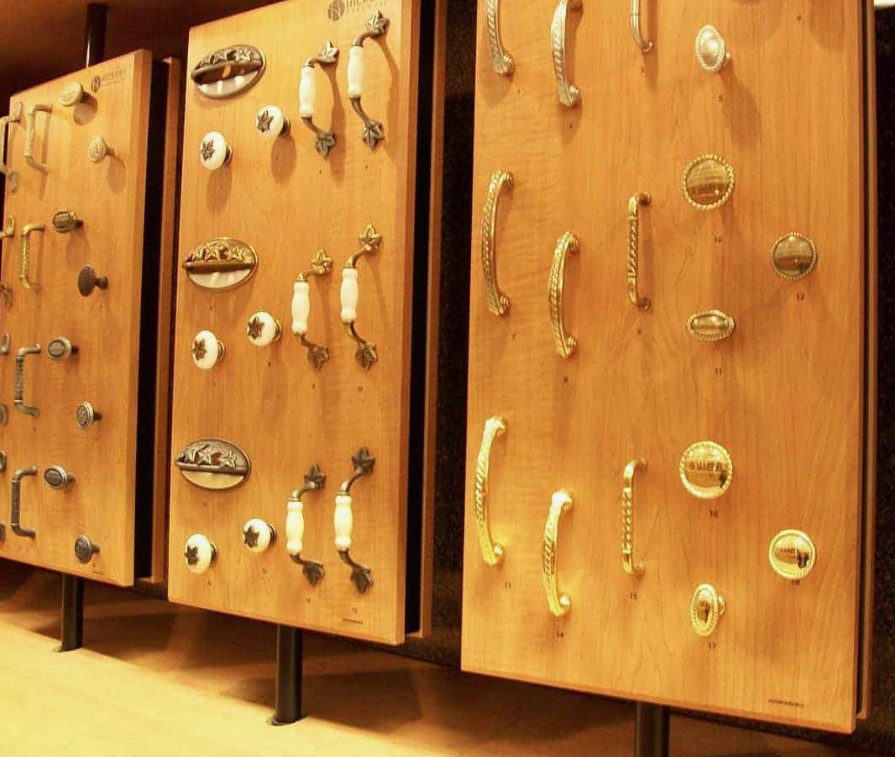
Hardware may seem like a small detail in home design, but it carries enormous influence over a room’s personality. The knobs, pulls, hinges, and accents you choose have the power to elevate cabinetry, bring balance to décor, and express your sense of style with subtle sophistication. While matching hardware sets were once the norm, modern design encourages creativity inviting homeowners to mix finishes, shapes, and silhouettes to create spaces that feel curated rather than conventional.
In this blog, we’ll break down how to combine different hardware elements with confidence, helping you achieve a beautifully cohesive yet custom interior look.
Understanding the Basics of Mixing and Matching Hardware
When people hear “mix and match,” they often imagine a chaotic clash of finishes or styles. But in design, mixing hardware is a controlled technique a way to layer textures, tones, and shapes while maintaining visual harmony. This concept applies to all types of hardware, including hinges, knobs, pulls, and especially cabinet handles and pulls, which play a central role in any room’s overall aesthetic.
The key to mixing effectively starts with choosing one unifying detail. This could be a shared metal tone, a recurring shape, or even a particular design style. Once you anchor your design with a strong through-line, you can introduce secondary elements that add character without overwhelming the room.
Choosing Finishes That Complement Each Other
One of the biggest decisions you’ll make when mixing hardware is selecting finishes. Modern interiors often feature an intentional blend of materials such as brass, matte black, brushed nickel, chrome, and copper. To create balance, it helps to understand the temperature of each finish. Warm finishes like brass and copper pair beautifully with black or oil-rubbed bronze, while cooler finishes like chrome and nickel work best with stainless steel or polished aluminum.
The goal is not to match perfectly but to coordinate thoughtfully. A warm-cool pairing can add depth when executed sparingly, while mixing two warm finishes stays safe and cohesive. Popular combinations include matte black with brushed brass, polished nickel with chrome, and champagne bronze with stainless steel. The finishing touches should complement one another rather than compete for dominance.
Blending Styles for a Unique Aesthetic
Finishes aren’t the only elements worth mixing styles matter just as much. Combining hardware styles allows you to give a room dimension and personality. For example, you might pair sleek, minimalist drawer pulls with more detailed vintage-inspired knobs. This interplay of modern and traditional creates a visually engaging space without feeling mismatched.
When blending styles, pay attention to shape and scale. Oversized pulls paired with dainty knobs may feel inconsistent unless balanced by the surrounding decor. Likewise, mixing geometric shapes with ornate curves can work beautifully when the color palette ties them together. Ultimately, blending styles is about creating intentional contrast that feels artistic rather than accidental.
Coordinating Hardware With Surrounding Design Elements
One of the smartest ways to ensure cohesion in mixed hardware design is by coordinating your choices with the room’s existing elements. Hardware should work in harmony with cabinetry color, lighting finishes, faucet styles, and even the flooring. For example, if you have matte-black lighting fixtures, incorporating black hardware even in small amounts can create a visual bridge throughout the room. This is especially useful when the goal is to tie together mixed metal finishes.
This section marks roughly the middle of the blog, making it the best place to naturally include your keyword:
Many homeowners find that pairing modern lighting with traditional cabinetry becomes much easier once they coordinate mixed finishes with foundational elements such as cabinet handles and pulls. By allowing certain pieces to act as connectors, the entire room feels more intentional, no matter how many finishes or styles are in play.
Textures also influence the look. Brushed finishes feel softer and more muted, while polished finishes introduce shine and contrast. Think of hardware not just as functional pieces, but as design accents that echo and enhance the materials around them.
Practical Tips for Achieving a Cohesive Mixed-Hardware Design
Mixing hardware may be an art, but there are practical strategies to help you get it right every time:
1. Start with a dominant finish.
Choose one finish to cover about 70% of the hardware in the room. This creates a strong visual anchor.
2. Use the 70/30 rule.
After choosing your main finish, introduce a secondary finish sparingly. This ensures contrast without clutter.
3. Stay consistent within each functional zone.
For example, keep all kitchen island hardware the same, even if the perimeter cabinetry uses mixed finishes. This keeps the eye organized.
4. Test combinations before committing.
Lay out samples against cabinet doors, countertops, and flooring. Lighting changes how finishes appear, so look at them during different times of day.
5. Don’t compromise usability.
The most beautiful hardware isn’t helpful if it’s uncomfortable or poorly constructed. Always consider grip, size, and durability.
Common Mistakes to Avoid
Even experienced designers sometimes run into challenges when mixing hardware. Here are common mistakes to watch out for:
-
Using too many finishes. Three or more metals can quickly overwhelm a space unless done by an expert.
-
Ignoring the home’s overall style. A farmhouse kitchen with ultra-modern chrome hardware may feel disconnected.
-
Clashing with fixed elements. Appliances, lighting, and faucets contribute heavily to the overall color tone make sure hardware aligns rather than competes.
-
Choosing style over comfort. Beautiful but impractical hardware leads to frustration in everyday use.
By avoiding these pitfalls, you’ll create a cleaner, more polished look regardless of your design preferences.
Conclusion
Mixing and matching hardware is a powerful way to create interiors that feel personalized and thoughtfully designed. By choosing finishes that complement one another, blending styles intentionally, coordinating with the surrounding environment, and following simple balance principles, you can transform any room into a visually harmonious space. With a little experimentation and creativity, mixed hardware becomes more than décor it becomes an artistic statement that reflects your unique style.