
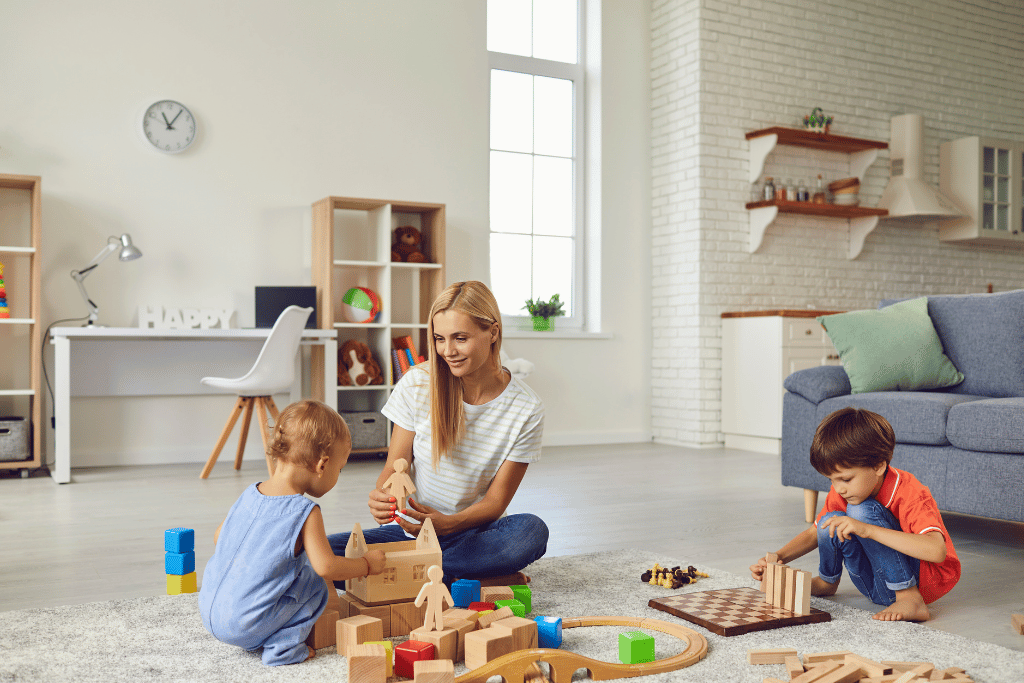
Early childhood is one of the most critical stages of human development. During the first eight years, children build the foundation for cognitive skills, language, emotional intelligence, social behaviour, and creativity. This is why an effective early learning curriculum is essential, whether it’s at home, in preschool, daycare, or early learning centres.
A strong early learning curriculum provides structured guidance to support children’s natural curiosity and development. It focuses on play, exploration, sensory learning, hands-on activities, and age-appropriate academic introduction. In this blog, we will explore what an early learning curriculum includes, why it matters, and how parents and educators can use it effectively.
What Is an Early Learning Curriculum?
1. Cognitive Development
Children build problem-solving skills, memory, logical thinking, number awareness, and early science concepts. Activities include puzzles, counting games, sorting, and storytelling.
2. Language & Literacy
Strong language exposure helps children speak clearly, understand vocabulary, and later read and write. The curriculum includes reading aloud, phonics, rhymes, and conversations.
3. Social & Emotional Development
Children learn teamwork, empathy, emotional control, and confidence. Group play, circle time, and simple responsibility tasks support these skills.
4. Physical Development
Gross and fine motor activities help children develop coordination, balance, and strength. Outdoor play, art materials, and sensory activities are essential parts.
5. Creative Expression
Art, music, dance, pretend play, and storytelling help children express ideas freely and think creatively.
An effective curriculum blends all these areas through fun, meaningful, and age-appropriate activities.
Why an Early Learning Curriculum Matters
1. Builds Strong Learning Foundations
Children who receive structured early education perform better academically later in school. Early exposure to math, literacy, and science builds confidence.
2. Encourages Independence
Children learn to make choices, follow instructions, and complete simple tasks—skills that are crucial for kindergarten readiness.
3. Supports Social Interaction
A curriculum helps children work with peers, develop communication skills, and build relationships.
4. Identifies Strengths & Weaknesses Early
Teachers and parents can track developmental milestones and provide additional support where needed.
5. Creates a Love for Learning
When learning is fun and meaningful, children develop lifelong curiosity and enthusiasm.
Key Components of an Effective Early Learning Curriculum
1. Play-Based Learning
Play is the foundation of early childhood education. Through play, children learn to solve problems, negotiate, communicate, and explore new ideas.
Examples:
- Building blocks
Pretend kitchen play - Sensory bins
- Outdoor games
2. Age-Appropriate Learning Goals
Curriculum goals must match developmental stages.
For example:
- Toddlers focus on sensory experiences
- Preschoolers focus on early literacy and numeracy
- Pre-K focuses on kindergarten readiness
3. Balanced Academic Introduction
The curriculum should introduce literacy and numeracy in simple, engaging ways:
- Letter recognition
- Phonics sounds
- Counting objects
- Sorting shapes
4. Hands-On Activities
Young children learn best through touch, movement, and experience.
Activities may include:
- Art & craft
- Nature walks
- Cooking activities
- Manipulative toys (beads, blocks, puzzles)
5. Social & Emotional Learning (SEL)
Children should learn:
- Sharing
- Taking turns
- Identifying emotions
- Practicing kindness
- Classroom routines
6. Daily Routines & Structure
An organized day helps children feel secure and confident.
Typical routines include:
- Morning circle
- Story time
- Snack time
- Free play
- Outdoor play
- Quiet/nap time
Early Learning Curriculum at Home
Parents play an important role in early learning. Here are simple ways to use a curriculum at home:
1. Daily Reading
Read aloud for 10–20 minutes daily to improve vocabulary and comprehension.
2. Learning Through Play
Use household items as learning tools:
- Cups for stacking
- Beans for counting
- Water play for sensory skills
3. Encourage Exploration
Let children ask questions, observe nature, and explore new materials.
4. Limit Screen Time
Hands-on learning is always more effective than screens.
5. Practice Routine Tasks
Ask children to help:
- Put toys away
- Set the table
- Dress themselves
These build independence and confidence.
Early Learning Curriculum in Preschools & Early Learning Centers
Most early learning centers follow structured curricula such as:
- Montessori
- Reggio Emilia
- High Scope Play-based
- Theme-based
Good programs include:
- Qualified early childhood educators
- Safe and stimulating environments
- Age-appropriate materials
- Progress tracking and parent communication
A quality preschool ensures classroom activities align with a strong curriculum designed for holistic development.
How to Choose the Right Early Learning Curriculum
When selecting a preschool or planning a curriculum at home, consider:
- Is it play-based and child-centered?
- Does it focus on overall development, not just academics?
- Are activities age-appropriate?
- Does it include outdoor play and creative learning?
- Is there a clear daily routine?
- Is learning fun and engaging?
The best curriculum is one that honors each child’s natural curiosity and promotes joyful learning.
Conclusion
A well-designed early learning curriculum lays the foundation for a child’s future success academically, socially, and emotionally. By focusing on hands-on activities, play-based learning, and age-appropriate developmental goals, children not only gain essential skills but also develop a genuine love for learning.
Whether taught at home or in preschool, the right curriculum helps children grow confidently, explore their natural curiosity, and build strong early literacy, numeracy, creativity, and social skills.
FAQs on Early Learning Curriculum
1. What age is an early learning curriculum for?
Typically, from birth to age eight, covering infants, toddlers, preschoolers, and early elementary levels.
2. What is the most important part of early learning?
Play-based learning, social-emotional development, and early literacy form the core foundation.
3. Do children need academic learning before kindergarten?
Yes, but gently. Early exposure to letters, numbers, shapes, and sounds helps children feel confident entering school.
4. Can parents use an early learning curriculum at home?
Absolutely. Simple daily activities like reading, counting, and sensory play make a big difference.
5. How do I know if a preschool curriculum is good?
Look for play-based methods, qualified teachers, structured routines, and age-appropriate materials.