
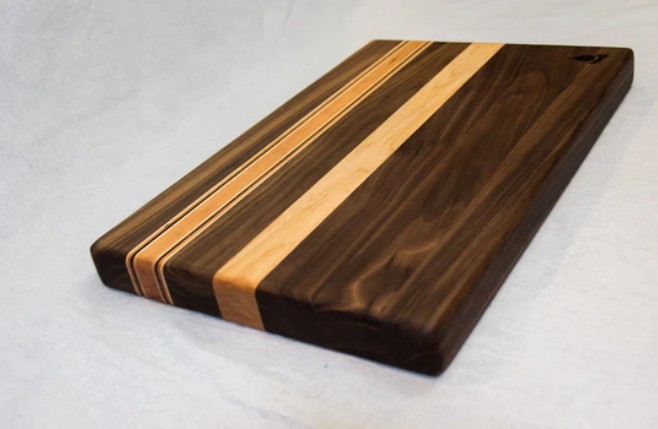
A wooden cutting board made from maple, cherry, or walnut is not just a kitchen tool—it’s something you use every day to prepare food for the people you care about. The good news is that with the right care, your cutting board can stay clean, strong, and beautiful for many years. This guide explains everything you need to know in clear, simple steps so your board stays safe, smooth, and ready for every meal.
Why Proper Care Makes a Big Difference
Wood is strong, but it reacts to water, heat, and time. Without care, a cutting board can dry out, crack, or smell bad. With care, it becomes safer to use and nicer to look at. maple cherry walnut cutting board The best part is that caring for a wooden board takes very little time once you know the basics.
Getting to Know Your Wood
Maple, cherry, and walnut are popular because they are hard enough to last but gentle on knives. Maple is very dense and resists deep cuts. Cherry has a smooth feel and a warm color that darkens over time. Walnut is slightly softer but rich in color and very stable. All three are food-safe and long-lasting when cared for properly.
First Use: Start the Right Way
Before using your board for the first time, wash it gently with warm water and mild soap. Rinse quickly and dry it right away with a towel. This removes any dust and prepares the surface for food. Starting with good habits helps your board last longer.
Daily Cleaning That Actually Works
After each use, wash your board by hand using warm water and a small amount of mild dish soap. Use a soft sponge or cloth. Never soak the board in water. Once clean, dry it fully and stand it upright so air can reach both sides. This small step prevents damage and keeps the board fresh.
Why the Dishwasher Is a Big No
Dishwashers use high heat and long water cycles. This causes wood to swell, bend, and crack. Even one trip through the dishwasher can ruin a wooden cutting board. Hand washing is always the safest option and only takes a minute.
Keeping Food Smells Away
Strong foods like garlic, onion, or fish can leave smells behind. To remove odors, sprinkle coarse salt over the surface and rub it with half a lemon. Let it sit for a few minutes, then rinse lightly and dry well. This natural method works without harming the wood.
Removing Stains the Safe Way
Some foods may leave marks, but stains don’t mean your board is ruined. Make a paste using baking soda and water. Rub it gently into the stain using a soft cloth. Rinse and dry right away. This method is safe, simple, and effective.
Why Oiling Your Board Is So Important
Wood needs moisture to stay healthy. When a board dries out, it can crack or warp. Oiling keeps the wood flexible and protects it from water. It also makes the grain look richer and smoother, which makes the board nicer to use.
How Often Should You Oil?
For most kitchens, oiling once a month is enough. If your board looks pale or feels rough, it needs oil. Dry climates may require more frequent oiling. Trust your eyes and hands—dry wood always asks for care.
Choosing the Right Oil
Always use food-safe mineral oil or oil made for cutting boards. Never use cooking oils like olive or vegetable oil. These can spoil and cause bad smells. Mineral oil stays stable and keeps the board safe for food.
Simple Oiling Steps Anyone Can Follow
Start with a clean, dry board. Pour a small amount of oil on the surface and rub it in with a cloth, following the grain. Let the oil soak in for several hours or overnight. Wipe off any extra oil before using the board again. This easy routine keeps your board strong.
Adding Extra Protection with Wax
Board wax made from beeswax and mineral oil adds another layer of care. It helps seal moisture inside and gives the board a soft shine. Use it after oiling for best results. This step is optional but helpful for boards used often.
Preventing Cracks and Warping
Cracks happen when wood dries too fast or unevenly. Always dry your board fully and never leave it near heat or sunlight. Avoid placing it flat on a wet counter. Balanced air and gentle care keep the board stable.
Smart Storage Tips
Store your board upright or on its side so air can flow around it. Avoid tight spaces where moisture gets trapped. Good storage helps prevent mold and keeps the board ready for use.
Knife Marks Are Normal
Cut marks show that your board is doing its job. They protect your knives and are part of normal use. If the surface feels rough, lightly sand it with fine sandpaper. Clean and oil the board afterward to restore its smooth feel.
Using One Board for Different Foods
If possible, avoid cutting raw meat and fresh foods on the same board. If you do, clean it carefully right away. Many people keep one board for meat and another for fruits and vegetables to stay extra safe.
Keeping Your Board Food-Safe
Wood naturally fights bacteria, but only when it’s clean and dry. Regular washing, drying, and oiling prevent germs from hiding deep inside. A well-cared-for board is both safe and dependable.
Seasonal Care Matters
Weather changes affect wood. In dry seasons, oil your board more often. In humid months, focus on drying and airflow. Adjusting care with the seasons helps prevent damage.
When Your Board Looks Worn Out
If your board looks very dry, oil it once a day for three days. This deep care often brings it back to life. Many boards that seem damaged just need extra moisture and patience.
Teaching Kids to Care for Wooden Boards
Wooden cutting boards are great tools for teaching care and responsibility. Simple rules—no soaking, dry after washing, help with oiling—build good habits and keep the board safe for everyone.
Why This Type of Board Is Worth Caring For
A maple cherry walnut cutting board is strong, beautiful, and built to last. With simple care, it becomes better over time. The effort you put in returns years of safe, enjoyable use in the kitchen.
Making Care Part of Your Routine
When care becomes a habit, it feels easy. A quick wash, proper drying, and monthly oiling are small steps with big rewards. Your board stays ready whenever you need it.
Final Thoughts: A Board That Grows with You
A wooden cutting board is not meant to be replaced often. With proper care, it can last for decades. Treat it well, and it will support countless meals, memories, and moments in your kitchen.
Frequently Asked Questions
Can I use vinegar to clean my cutting board?
Yes, diluted vinegar can be used sometimes for extra cleaning, but not daily. Too much vinegar can dry out the wood.
What should I do if my board feels rough?
Lightly sand it with fine sandpaper, then clean and oil it. This restores smoothness and protects the surface.
Is color change normal for wooden boards?
Yes. Cherry darkens with age, walnut stays rich, and maple may warm slightly in tone. This is normal and shows natural aging.