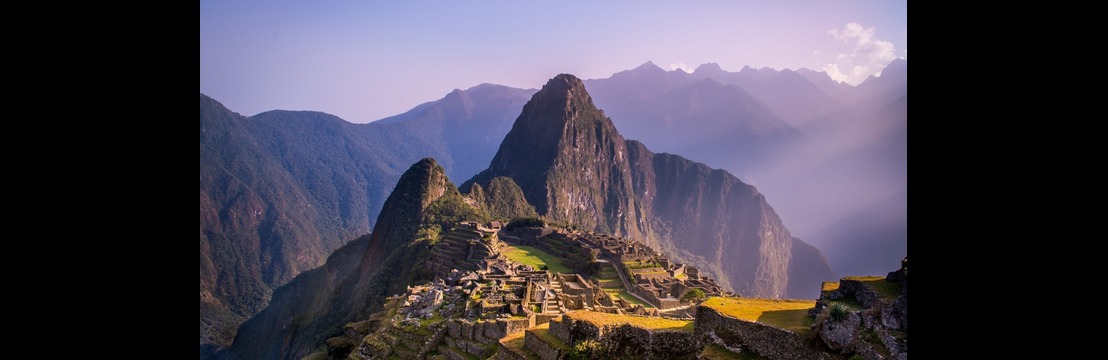
Navigating the history of the Inca trail Peru is an experience that demands to be felt. It is a gradual progression into a world shaped by ancient beliefs and skills. Each stone laid out is evidence of careful planning and immense respect for nature. As you pass from the mesmerizing valleys, forests and passes, you get to observe an old civilization unfold itself. There are sacred areas and ruins that add a touch of mystery to your trip, instead of the same monotonous narrative.
Let us take a deep dive into exploring this journey with the Andes and its historical elements:
Roots of an Ancient Network
The Inca Trail Peru is not a single path but is formed as part of a vast system. This system still connects different regions and communities throughout the Andes. The network formed out of this once supported an empire that relied on movement instead of wheels. Short sections of stone reveal the degree of organization and planning. Routes were planned according to the distance, altitude and level of access required.
- Paths were made to connect administrative centers and sacred locations.
- Chasquis, acting as a reliable part of the communication system, carried messages at remarkable speed.
- Storehouses were placed near these routes to manage supplies and different goods.
Sacred Landscapes Along the Route
Nature was the main aspect that was taken into account for every choice of design. Mountains, rivers or forests were not viewed as obstacles but living forces that drove people’s lives. These elements were believed to hold spiritual energy. The existence of small shrines along the route is also found.
- Mountain peaks were honored as protective spirits.
- Forests were associated with the cause of renewal and balance.
- Stone platforms were used for different rituals and offerings as a part of religious beliefs.
When you are out on the Inca Trail Peru tours, you will certainly be able to sense the spirituality. The land itself speaks to you through its serenity and natural creations.
Life on the Trail in Inca Times
Daily use of these trails was done by everyone around the place. Apart from officials, farmers, pilgrims and traders moved along these stones on a regular basis. Life back then was based on strict order and in the following way:
- Tambo shelters, referred to as a kind of roadside shelter, offered food and rest to passersby.
- Water channels ensured a steady supply to everyone.
- Guards, responsible for maintaining security, monitored access and movement.
Travel made was not completely a physical experience, but also had a purpose. Ceremonies were held to mark the departure and arrival of individuals, and even routine movement has significance. Hence, when you walk through these sections, you get a clear picture of endurance and discipline in the lifestyles of people back in those days.
Arrival at Machu Picchu
The final destination of Machu Picchu will feel intentional, as the path gradually narrows. You will find that the surroundings have begun to open up, and stone structures emerge slowly from the horizon. This progression builds anticipation instead of a sudden reveal of the structure. Arrival at this prime location unfolds gradually with suspense, allowing your mind to adapt to the importance of the place. It is a marvel of engineering skills and respect for the natural environment around it, creating an architecture that coexists with the terrain.
- Terraced slopes show the arrangement for sophisticated agricultural planning designed to manage terrain and changing weather.
- Temples highlight that architects used the sun, stars and seasonal changes to align their importance in rituals. This also shows that people then possessed deep astronomical knowledge.
- Stone walls also showed exceptional artistry, where each block was shaped to interlock perfectly. This created the necessary strength and stability without the use of mortar back then.
Reaching the site through Inca Trail Peru determines how visitors understand its meaning. The journey builds awareness towards the history and culture of the place even before arrival. The time that you have spent walking allows you to reflect and gradually immerse yourself in history. Many travelers on Inca Trail tours describe a positive response because the experience unfolds step by step.
Conclusion
The Inca trail is a live instance of knowledge and belief coming together to give rise to something marvellous. Every section has to be a storyteller of how nature was perceived in the old times, also affecting your perception before you reach the end destination. By the time your trail ends, visitors can carry more than photographs. They leave with a better idea of the Andean culture and a deep connection with the area.
If you are planning to visit the place soon, Guiding Cusco Expeditions will be a smart choice to make. They are well known for their crafted cultural and adventure experiences with their local teams and service, delivering journeys beyond the ordinary.
For posting – visit