
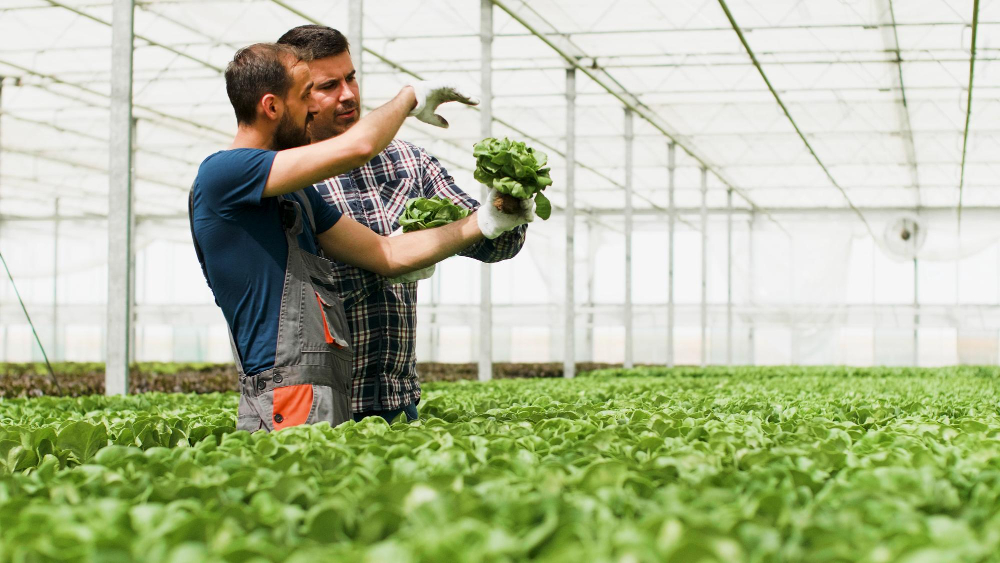
Farm Management Software has become an essential tool for modern agriculture, helping farmers manage daily operations efficiently and make data-driven decisions. As farming grows more complex due to climate change, rising costs, and market competition, digital solutions are playing a vital role in improving productivity, sustainability, and profitability. Farm Management Software enables farmers to plan, monitor, analyze, and optimize every aspect of their farm from a single platform.
Introduction to Farm Management Software
Farm Management Software is a digital solution designed to assist farmers in managing farm activities such as crop planning, field operations, inventory, labor, finances, and compliance. Instead of relying on manual records or scattered data, farmers can use Farm Management Software to centralize information and gain real-time insights into farm performance. This technology supports smarter decision-making and reduces operational inefficiencies.
Why Farm Management Software Is Important for Agriculture
Agriculture involves multiple variables including weather, soil conditions, crop health, labor availability, and market demand. Managing these manually is time-consuming and prone to errors. Farm Management Software helps farmers track activities accurately, reduce losses, and improve yields. With proper data visibility, farmers can respond quickly to challenges and plan future operations more effectively.
Key Features of Farm Management Software
Farm Management Software offers a wide range of features to support farm operations. These include crop planning and scheduling, field activity tracking, input management, inventory control, financial record keeping, and reporting. Many platforms also provide weather forecasts, satellite imagery, and pest alerts. These features help farmers monitor farm performance and optimize resource usage.
Crop Planning and Field Operations Management
Crop planning is one of the core functions of Farm Management Software. Farmers can plan crop cycles, assign tasks, and schedule field operations such as sowing, irrigation, fertilization, and harvesting. Field-level data helps track progress and identify issues early. Farm Management Software ensures timely operations, which directly impacts crop yield and quality.
Soil and Crop Health Monitoring
Farm Management Software supports soil and crop health monitoring by storing soil test results, nutrient data, and crop observations. Some platforms integrate with sensors or satellite data to provide insights on moisture levels, plant health, and stress conditions. This helps farmers apply inputs more precisely and avoid overuse of fertilizers or pesticides.
Inventory and Input Management
Managing seeds, fertilizers, pesticides, and equipment is critical for cost control. Farm Management Software tracks inventory levels and usage, ensuring farmers know when to restock and how inputs are utilized. Proper input management reduces wastage and helps farmers maintain accurate cost records for better financial planning.
Labor and Workforce Management
Farm operations depend heavily on labor, especially during peak seasons. Farm Management Software allows farmers to assign tasks, track labor hours, and monitor workforce productivity. This improves accountability and helps manage labor costs effectively. Clear task allocation also improves coordination among farm workers.
Financial Management and Cost Tracking
Financial planning is essential for farm sustainability. Farm Management Software records expenses, revenues, and profitability by crop or field. Farmers can analyze production costs and identify areas where savings are possible. With better financial visibility, farmers can plan investments and manage risks more effectively.
Compliance and Traceability
Regulatory compliance and traceability are becoming increasingly important in agriculture. Farm Management Software helps maintain records required for certifications, audits, and food safety standards. Detailed traceability improves transparency and builds trust with buyers, exporters, and consumers.
Data-Driven Decision Making
One of the biggest advantages of Farm Management Software is its ability to convert raw data into actionable insights. Farmers can analyze trends, compare seasons, and evaluate performance. Data-driven decisions lead to better planning, improved yields, and reduced uncertainty in farming operations.
Integration with Modern Agricultural Technologies
Farm Management Software often integrates with GPS devices, drones, sensors, and weather tools. These integrations provide accurate field data and automate monitoring processes. Technology integration reduces manual work and improves precision farming practices.
Benefits of Farm Management Software for Small and Large Farms
Farm Management Software is beneficial for farms of all sizes. Small farmers gain better control over costs and operations, while large farms benefit from scalability and advanced analytics. The software adapts to different farming models and supports long-term growth.
Read also: Whitefield’s Premier Sustainable Haven by Mahindra Lifespaces
Challenges in Adopting Farm Management Software
Some farmers face challenges such as lack of digital literacy, internet connectivity issues, or initial setup costs. However, user-friendly interfaces and mobile-based Farm Management Software solutions are reducing these barriers. Training and support play a key role in successful adoption.
Future of Farm Management Software
The future of Farm Management Software includes artificial intelligence, machine learning, and predictive analytics. These technologies will help forecast yields, detect diseases early, and optimize resource allocation. As digital agriculture grows, Farm Management Software will become an integral part of farming systems worldwide.
Conclusion
Farm Management Software is transforming agriculture by bringing efficiency, accuracy, and intelligence to farm operations. From crop planning and input management to financial tracking and compliance, it supports farmers at every stage of the farming cycle. By adopting Farm Management Software, farmers can improve productivity, reduce costs, and ensure sustainable agricultural growth. As technology continues to evolve, Farm Management Software will remain a key driver of modern and profitable farming.
Follow-up Questions & Answers
Q1: How does Farm Management Software help increase farm profitability?
Farm Management Software increases profitability by tracking costs, reducing input wastage, improving crop planning, and enabling data-driven decisions. This helps farmers optimize resources and maximize yields.
Q2: Is Farm Management Software suitable for small farmers?
Yes, Farm Management Software is suitable for small farmers as it simplifies record keeping, improves planning, and helps manage limited resources efficiently through easy-to-use digital tools.
Q3: What should farmers consider before choosing Farm Management Software?
Farmers should consider ease of use, features offered, mobile accessibility, data security, customer support, and whether the Farm Management Software aligns with their crop types and farm size.