Introduction
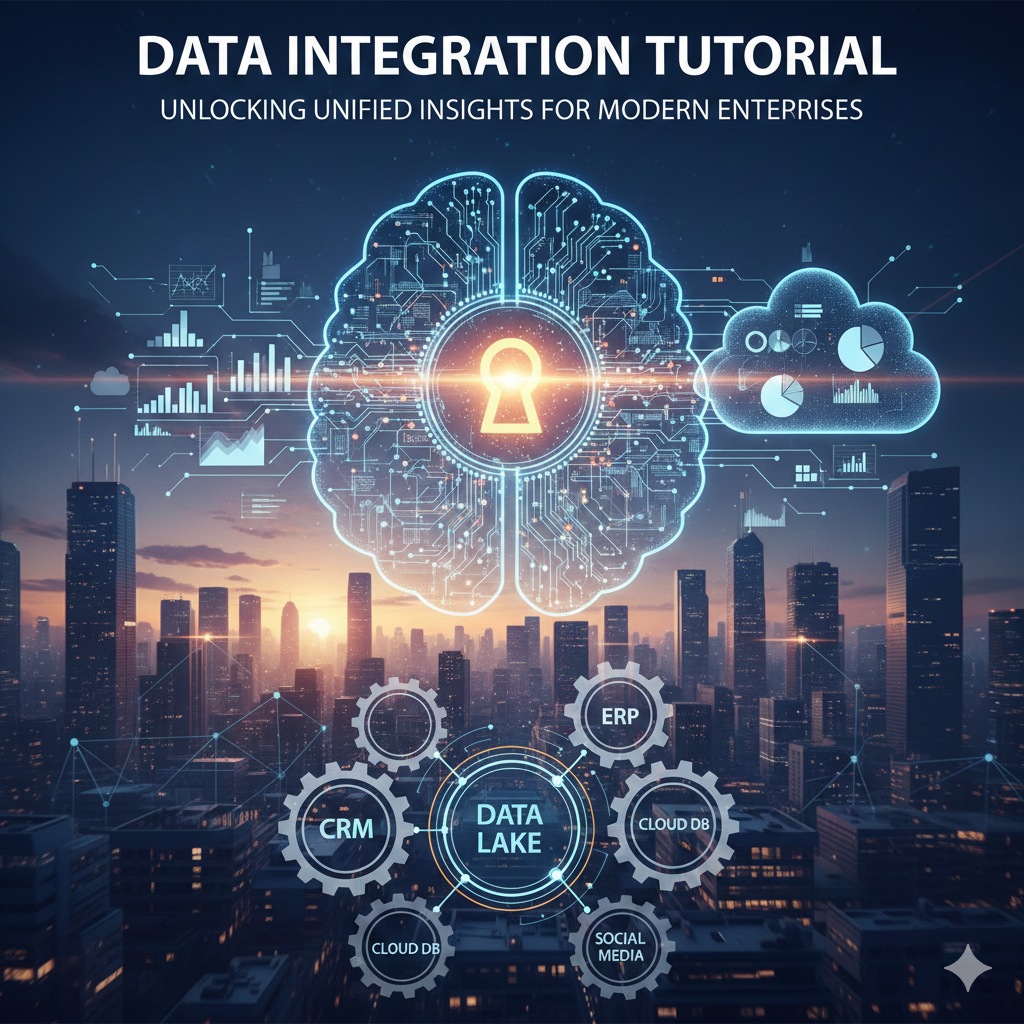
In today’s digital landscape, organizations generate vast amounts of data from multiple sources, including databases, cloud platforms, applications, IoT devices, and third-party services. Managing this data efficiently and making it actionable is critical to gaining a competitive edge. However, fragmented data often leads to inconsistencies, delayed insights, and operational inefficiencies. A comprehensive data integration tutorial can guide businesses in understanding the best practices, tools, and methodologies for unifying their data and driving informed decisions across the enterprise.
Understanding the Fundamentals of Data Integration
At its core, data integration is the process of combining data from disparate sources to create a single, consistent view. For enterprises, this involves not only consolidating data but also ensuring its accuracy, reliability, and accessibility. The goal is to break down data silos and provide seamless access to information for reporting, analytics, and operational use.
This data integration tutorial emphasizes the importance of understanding different integration techniques, including batch processing, real-time streaming, and hybrid approaches. Recognizing the strengths and limitations of each method allows organizations to select the right strategy for their specific needs and infrastructure.
The Role of Data Integration in Modern Enterprises
Modern organizations rely on integrated data to support analytics, artificial intelligence, and business intelligence initiatives. Without proper integration, data from different departments such as finance, operations, marketing, and supply chain may remain isolated, leading to incomplete insights and suboptimal decisions. Data integration ensures that stakeholders have access to a unified, trustworthy source of truth, enabling faster and more accurate decision-making.
This data integration tutorial highlights the need for proper planning and governance to ensure that integrated data meets quality, security, and compliance standards. Implementing data validation, transformation, and cleansing processes helps maintain the integrity and usability of the information.
Best Practices Covered in the Data Integration Tutorial
Effective data integration requires a clear understanding of organizational objectives and the data landscape. The tutorial outlines essential practices such as defining data sources, mapping data relationships, and establishing transformation rules. These steps are crucial to ensure that data is harmonized and can be used consistently across different systems.
Additionally, the tutorial emphasizes the importance of automation in integration processes. Automating data ingestion, transformation, and delivery reduces manual effort, minimizes errors, and accelerates the availability of actionable insights. Continuous monitoring and optimization are also key to maintaining high performance and adaptability as data volumes and complexity grow.
Tools and Technologies for Successful Data Integration
A variety of tools and platforms can simplify data integration, ranging from traditional ETL (Extract, Transform, Load) systems to modern cloud-based solutions and real-time data pipelines. This data integration tutorial explores the capabilities of these tools, including their ability to handle structured and unstructured data, support multiple formats, and provide scalability for growing enterprises.
Organizations should select tools that align with their existing infrastructure and long-term strategy. Integrating cloud services, on-premises systems, and third-party applications seamlessly requires solutions that are flexible, secure, and capable of managing high volumes of data efficiently.
Challenges Addressed in the Data Integration Tutorial
Integrating data from diverse sources is not without challenges. Common obstacles include dealing with inconsistent formats, missing or inaccurate data, latency issues, and ensuring compliance with data privacy regulations. A well-structured data integration tutorial provides strategies to overcome these challenges by emphasizing standardization, robust data governance, and error-handling mechanisms.
The tutorial also highlights the importance of stakeholder collaboration. Engaging business units, IT teams, and data engineers ensures that integrated data meets operational needs and supports strategic objectives.
Driving Insights and Analytics Through Data Integration
The ultimate purpose of data integration is to transform raw data into actionable intelligence. By creating a unified dataset, organizations can enable more effective reporting, predictive analytics, and machine learning initiatives. Insights derived from integrated data empower leaders to make informed decisions, identify trends, and respond proactively to market changes.
This data integration tutorial demonstrates practical use cases where integrated data has driven measurable business outcomes, including enhanced customer experiences, operational efficiencies, and competitive advantage.
Building a Scalable and Future-Ready Data Environment
As organizations expand and adopt emerging technologies, their data needs evolve. Data integration must be scalable to accommodate new data sources, increased volumes, and advanced analytics requirements. The tutorial guides enterprises in designing flexible architectures that support both current operations and future growth.
By implementing best practices outlined in the data integration tutorial, organizations can create a resilient data ecosystem. This ecosystem enables seamless collaboration, faster innovation, and sustained business value.
Conclusion
In an era where data drives strategy, the ability to integrate, manage, and leverage information is a decisive advantage. A comprehensive data integration tutorial equips organizations with the knowledge and techniques to unify disparate datasets, ensure accuracy, and generate actionable insights. From enhancing operational efficiency to enabling advanced analytics, data integration empowers enterprises to transform raw information into strategic intelligence. Adopting these practices today positions businesses for long-term success, innovation, and a future-ready data landscape.