The global fashion landscape is undergoing a decisive shift, and Trapstar stands firmly at the center of this transformation. Once a cult London streetwear label known only to insiders, Trapstar has evolved into a dominant cultural force shaping how modern street fashion is created, consumed, and celebrated. We are witnessing not a fleeting trend, but a sustained movement driven by authenticity, exclusivity, and cultural relevance that shows no signs of slowing down.
The Origins of Trapstar: From Underground to Global Icon
Trapstar was born in London’s underground scene, rooted deeply in music, rebellion, and street culture. Unlike traditional fashion houses that rely on legacy and institutional backing, Trapstar emerged organically, built by creatives who understood the streets because they lived them. This origin story matters. It gave the brand an unfiltered authenticity that resonates globally.
From its earliest days, Trapstar operated on a word-of-mouth model, allowing demand to grow naturally. Limited runs, secretive drops, and a refusal to overexpose the brand created an aura of exclusivity. This foundation still defines Trapstar today and explains why its expansion has never diluted its identity.
Celebrity Co-Signs That Cemented Cultural Authority
One of the most powerful accelerators of Trapstar’s rise has been its alignment with global music icons. Artists such as Rihanna, Jay-Z, Stormzy, A$AP Rocky, and Drake didn’t just wear Trapstar—they integrated it into their public personas. This distinction is crucial.
Trapstar didn’t chase celebrity endorsements. Celebrities discovered Trapstar because it represented the same energy they projected: independence, defiance, and self-made success. When Jay-Z publicly supported the brand and helped it gain international exposure, Trapstar crossed a threshold few streetwear brands ever reach.
This organic celebrity adoption transformed Trapstar from a local favorite into a global streetwear authority.
The Power of Scarcity and Controlled Demand
Trapstar’s success is not accidental. The brand employs strategic scarcity, releasing products in limited quantities and unpredictable drops. This approach fuels urgency, drives resale value, and positions every item as a collectible rather than mere clothing.
Consumers are no longer just buying a hoodie or jacket—they are acquiring a piece of cultural currency. The secondary resale market further amplifies this perception, where sold-out Trapstar pieces often command premium prices.
By resisting mass production, Trapstar maintains control over its brand narrative and avoids the oversaturation that has weakened many competitors.
Design Language That Commands Attention
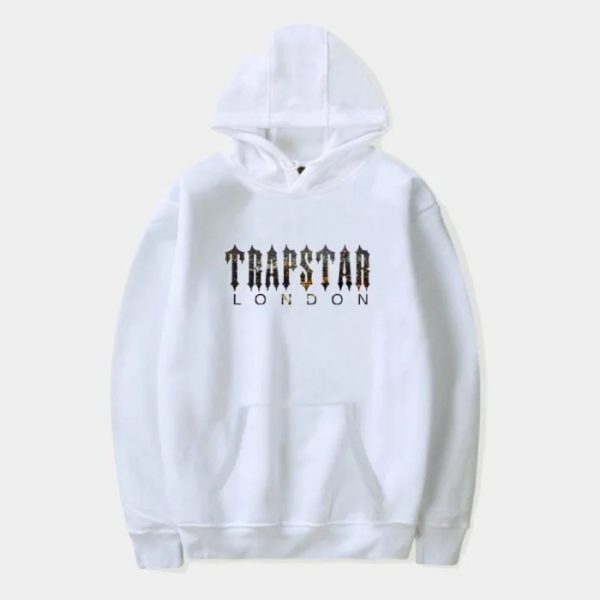
Trapstar’s visual identity is instantly recognizable. Bold typography, aggressive graphics, military influences, and cryptic slogans define the brand’s aesthetic. Each design communicates power, resistance, and individuality.
Key design elements include:
-
Iconic logos that function as status symbols
-
Dark, commanding color palettes
-
Strong silhouettes tailored for urban environments
-
Statements that feel confrontational yet purposeful
Trapstar designs are not passive. They are meant to be seen, noticed, and interpreted. This visual intensity ensures the brand remains dominant across social media, music videos, and street photography.
Trapstar and the Music-Fashion Feedback Loop
Trapstar thrives because it exists within a self-reinforcing cultural loop. Music influences fashion, fashion influences music, and Trapstar sits perfectly at that intersection. UK drill, grime, and global hip-hop culture continuously elevate the brand’s relevance.
Artists wear Trapstar not as costume, but as uniform. Fans emulate that look, driving demand further. This cycle keeps Trapstar culturally embedded rather than trend-dependent.
Unlike brands that rely on seasonal fashion weeks, Trapstar’s calendar moves with culture itself, making it inherently more resilient.
Global Expansion Without Cultural Dilution
As Trapstar expanded beyond the UK, it avoided one of the most common pitfalls of rapid growth: losing authenticity. Instead of rebranding for global audiences, Trapstar exported its original identity intact.
Whether in New York, Paris, Tokyo, or Berlin, Trapstar represents London street culture unapologetically. This consistency builds trust and loyalty among consumers who value brands with a clear point of view.
International pop-ups, collaborations, and online drops are executed strategically, ensuring the brand remains aspirational rather than accessible.
Social Media Dominance and Digital Mystique
Trapstar understands modern digital behavior. Rather than oversharing, the brand cultivates mystery. Teasers, cryptic visuals, and minimal captions create anticipation without explanation.
This approach contrasts sharply with brands that flood feeds with content. Trapstar lets the audience do the talking, allowing organic engagement to amplify reach. User-generated content, outfit showcases, and resale hype organically fuel visibility across platforms.
In a digital world oversaturated with noise, Trapstar’s restraint becomes a competitive advantage.
Streetwear as Identity, Not Apparel
Trapstar’s dominance reflects a broader shift in consumer psychology. Streetwear is no longer about trends—it is about identity alignment. Consumers choose brands that reflect who they are, where they come from, and what they stand for.
Trapstar embodies:
-
Self-made ambition
-
Resistance to conformity
-
Cultural pride
-
Creative independence
This emotional connection transforms customers into advocates. They are not passive buyers; they are participants in the brand’s story.
Why Trapstar Is Not Slowing Down
Several factors ensure Trapstar’s continued momentum:
-
Timeless cultural relevance rooted in music and street life
-
Strategic scarcity that preserves exclusivity
-
Strong global recognition without mass-market dilution
-
A loyal community that treats the brand as identity
-
Adaptive creativity that evolves without abandoning core values
Trapstar does not depend on trends—it shapes them. Its foundation is too deeply embedded in culture to fade with seasonal cycles.
The Future of Trapstar in Global Streetwear
Looking ahead, Trapstar is positioned to remain a dominant force in streetwear for years to come. As fashion continues to decentralize and culture-driven brands gain influence over traditional luxury houses, Trapstar’s model becomes increasingly relevant.
We anticipate continued expansion through select collaborations, deeper integration into music culture, and sustained control over production and messaging. Trapstar’s future is not about growth at all costs—it is about longevity through authenticity. https://regic.net/