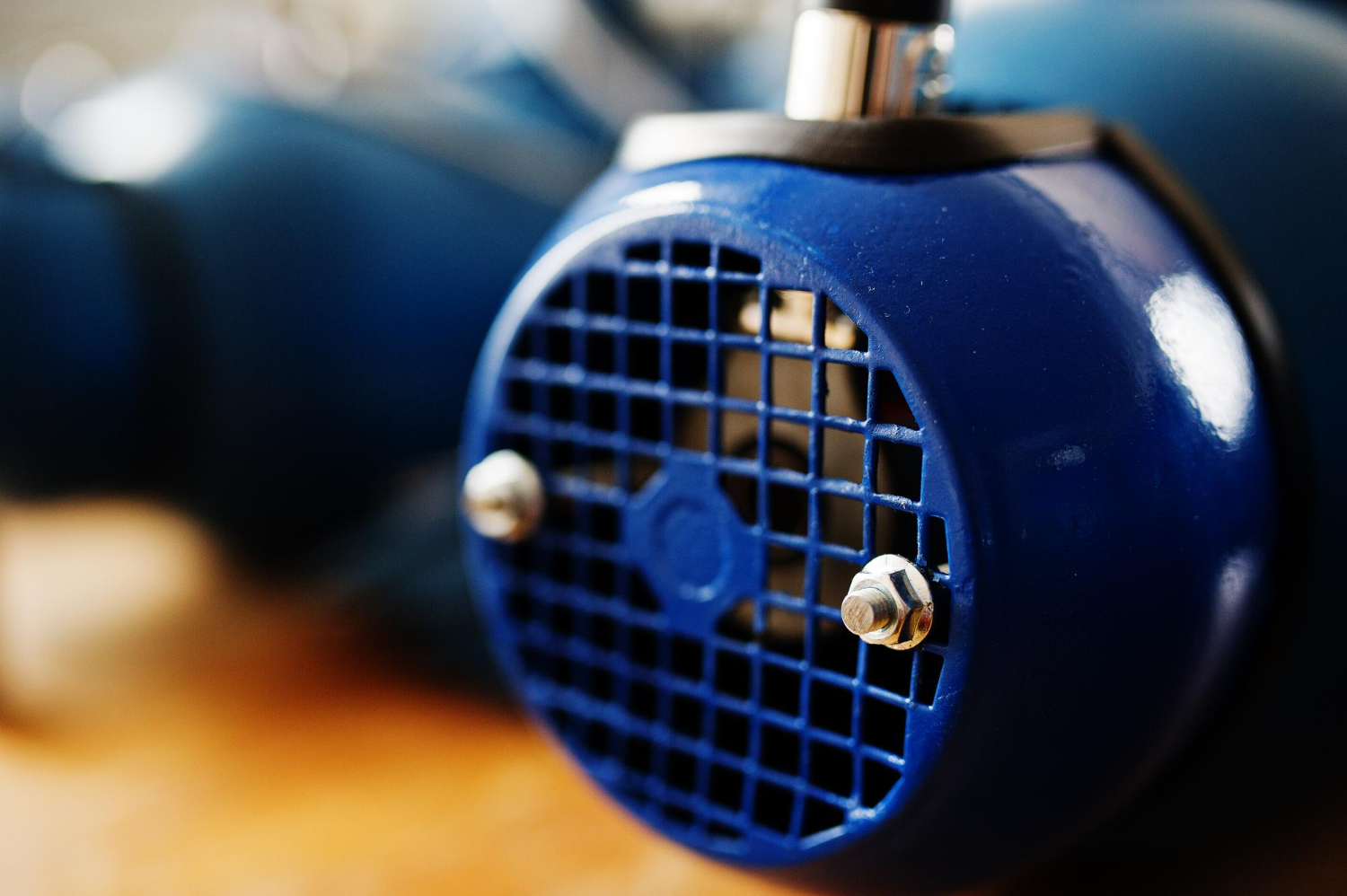
In industrial and laboratory environments across the United States, vacuum systems play a critical role in supporting manufacturing, research, and processing activities. Among these systems, dry vacuum pumps are widely used due to their ability to operate without oil or other sealing fluids in the compression chamber. While these pumps offer advantages related to cleanliness and reduced contamination risk, their performance and longevity depend heavily on proper care. The concept of dry vacuum pump maintenance is therefore central to ensuring reliability, efficiency, and operational safety.
Dry vacuum pump maintenance refers to the set of inspection, servicing, monitoring, and corrective practices required to keep these pumps functioning within their designed parameters. Unlike wet or oil-sealed pumps, dry vacuum pumps rely on precise mechanical tolerances and advanced materials, making maintenance practices both specialized and essential.
Understanding Dry Vacuum Pump Operation
To appreciate the importance of dry vacuum pump maintenance, it is necessary to understand how these systems operate. Dry vacuum pumps create vacuum conditions through mechanical motion rather than liquid-based sealing. Common designs include screw, claw, scroll, and diaphragm mechanisms. Each design compresses gas through interlocking or oscillating components that must remain clean and properly aligned.
Because there is no oil to capture contaminants within the compression chamber, any particles, moisture, or reactive gases entering the system can directly affect internal components. This makes routine inspection and preventive maintenance especially important in environments where process gases vary in composition or cleanliness.
Importance of Regular Maintenance
In the United States, many industries rely on continuous or high-duty-cycle vacuum operation. Semiconductor manufacturing, pharmaceutical processing, food packaging, and chemical production are examples where downtime can result in significant losses. Dry vacuum pump maintenance helps reduce unplanned shutdowns by identifying early signs of wear or contamination.
Regular maintenance also supports energy efficiency. As internal clearances change due to wear or debris accumulation, pumps may require more power to achieve the same vacuum levels. Over time, this increased energy demand can raise operational costs and place additional stress on system components.
Key Elements of Dry Vacuum Pump Maintenance
Dry vacuum pump maintenance typically involves several recurring tasks. Visual inspections are often the first step. These inspections can reveal external issues such as loose fittings, abnormal vibration, or signs of overheating. Monitoring system noise is also useful, as unusual sounds may indicate bearing wear or misalignment.
Filter maintenance is another critical element. Inlet filters protect the pump from particulate contamination, while exhaust filters may capture process byproducts. Clogged or degraded filters can restrict airflow and increase internal temperatures. Replacing or cleaning filters according to recommended intervals helps maintain stable performance.
Cooling systems also require attention. Many dry vacuum pumps rely on air or water cooling to manage heat generated during compression. Blocked airflow, fouled heat exchangers, or insufficient coolant flow can lead to thermal stress. Routine checks of fans, ducts, and cooling lines help prevent overheating-related damage.
Monitoring Performance Indicators
Effective dry vacuum pump maintenance includes tracking key performance indicators over time. Parameters such as ultimate vacuum level, pump-down time, operating temperature, and power consumption provide valuable insight into system health. Deviations from baseline values may signal developing issues even if no visible problems are present.
In modern facilities, digital monitoring systems are often used to collect and analyze this data. Trend analysis allows maintenance teams to predict when servicing will be required, shifting maintenance strategies from reactive to predictive. This approach aligns with broader industrial practices focused on reliability-centered maintenance.
Managing Contamination and Process Residues
Contamination management is a major concern in dry vacuum pump maintenance. Process gases may contain condensable vapors, corrosive compounds, or fine particles that can accumulate inside the pump. Over time, these residues can interfere with moving parts, alter clearances, or cause chemical degradation.
To address this risk, purge gas systems are commonly used. Purge gases help dilute process vapors and reduce condensation within the pump. Maintenance routines often include checking purge flow rates and ensuring that purge systems are functioning correctly.
Periodic internal cleaning may also be required, depending on the application. This task is typically performed during scheduled shutdowns and requires trained personnel due to the precision of internal components.
Lubrication and Mechanical Components
Although dry vacuum pumps do not use oil in the compression chamber, they still contain bearings, gears, and drive mechanisms that require lubrication. Dry vacuum pump maintenance therefore includes servicing these auxiliary systems. Using the correct lubricant type and maintaining proper lubrication intervals are essential to avoid premature wear.
Mechanical alignment is another important factor. Misalignment between motor and pump shafts can lead to increased vibration and bearing stress. During maintenance activities, alignment checks help ensure smooth power transmission and reduce mechanical losses.
Safety Considerations During Maintenance
Safety is an integral part of dry vacuum pump maintenance practices. Before performing any service work, pumps must be properly isolated from power sources and process connections. Residual gases within the system may pose chemical or thermal hazards, particularly in industrial environments handling reactive substances.
Maintenance procedures often include controlled venting and purging to remove hazardous residues. In the United States, workplace safety regulations emphasize proper training, personal protective equipment, and documentation when servicing industrial equipment. Adhering to these practices reduces risk to personnel and equipment.
Maintenance Frequency and Scheduling
The frequency of dry vacuum pump maintenance depends on several factors, including operating hours, process conditions, and environmental factors. Pumps operating in clean, stable conditions may require less frequent servicing than those exposed to aggressive or variable processes.
Maintenance schedules are typically based on manufacturer guidelines combined with site-specific experience. Over time, facilities may adjust intervals based on observed wear patterns and performance data. This adaptive approach helps balance reliability with maintenance costs.
Consequences of Inadequate Maintenance
Neglecting dry vacuum pump maintenance can lead to a range of operational issues. Reduced pumping speed, higher base pressure, and increased noise are common early symptoms. If left unaddressed, these issues can progress to mechanical failure, contamination of downstream equipment, or complete pump shutdown.
In regulated industries, poor maintenance can also affect product quality and compliance. For example, contamination introduced by a failing vacuum pump may compromise process integrity, leading to rejected batches or regulatory scrutiny.
Conclusion
Dry vacuum pump maintenance is a critical aspect of operating reliable and efficient vacuum systems in the United States. By focusing on regular inspections, performance monitoring, contamination control, and safe servicing practices, organizations can extend equipment life and maintain consistent process conditions.
Rather than being a single task, dry vacuum pump maintenance represents an ongoing commitment to understanding system behavior and responding proactively to changes. As industrial processes continue to demand higher precision and uptime, the role of structured and informed maintenance practices remains essential to long-term operational success.