
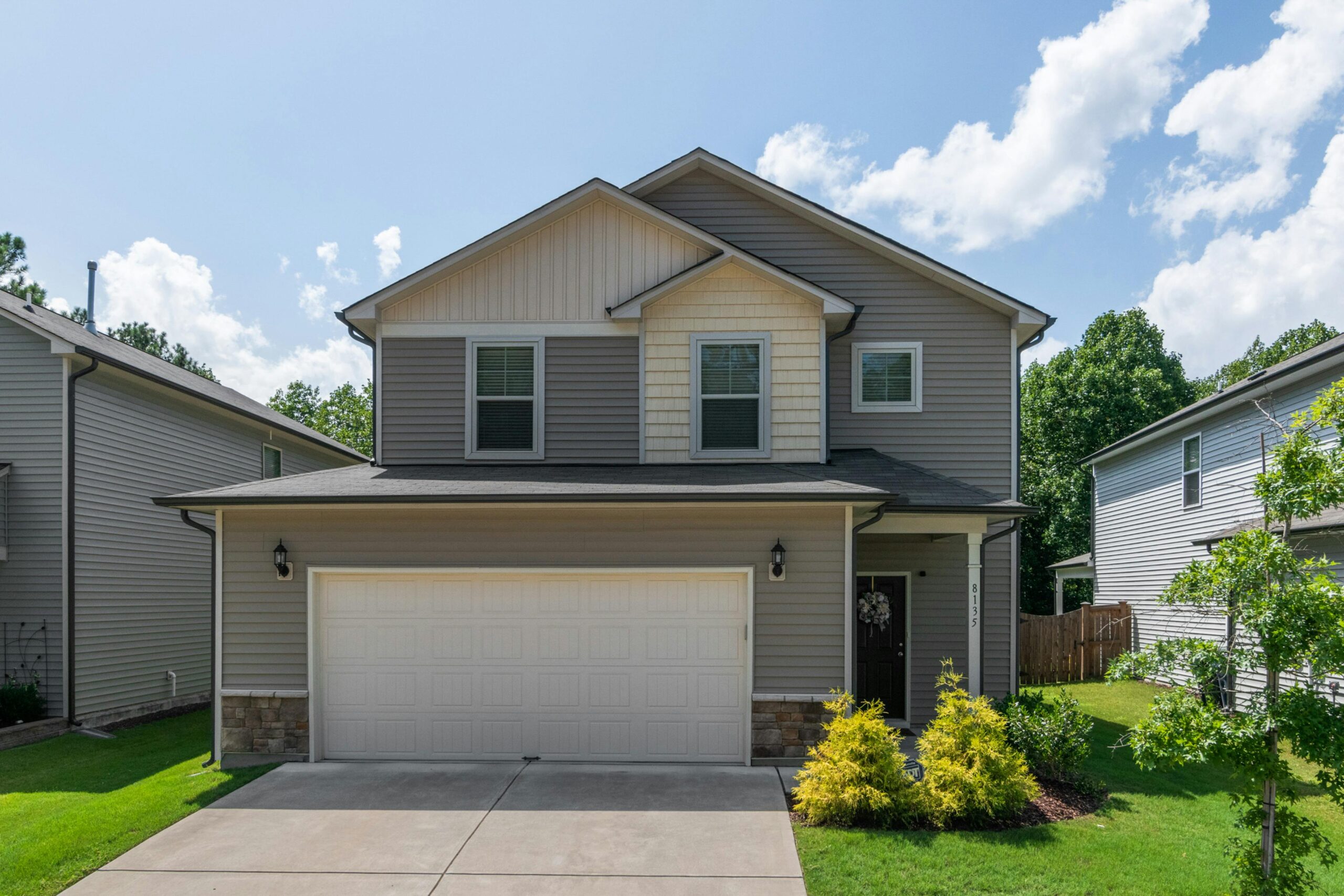
Rental real estate has entered a more complex phase. What once relied on intuition and basic market knowledge now demands data analysis, regulatory awareness, and strategic planning. By 2026, rental property ownership is no longer just about collecting rent and maintaining buildings. It is about navigating layered regulations, volatile demand patterns, and rising operational costs.
This shift explains why rental property consultants are becoming increasingly relevant. Their role has evolved from optional advisors to strategic partners who help property owners adapt to a rapidly changing rental landscape.
The Rental Market Is More Complex Than Ever
Regulation Is No Longer Static
Local and state housing regulations continue to expand. Rent stabilization policies, tenant protection laws, energy efficiency mandates, and zoning updates vary widely by jurisdiction and change frequently.
For property owners managing assets across multiple locations, staying compliant is no longer straightforward. Rental property consultants help interpret evolving regulations and assess how they affect lease structures, rent adjustments, and long-term planning.
Market Signals Are Fragmented
Rental demand no longer moves uniformly. Migration patterns, remote work adoption, and affordability pressures create uneven performance across neighborhoods, even within the same city.
Consultants analyze localized data such as vacancy trends, rental comparables, and demographic shifts to identify where performance risks and opportunities truly exist.
What Rental Property Consultants Actually Do
Strategic Analysis Beyond Day-to-Day Management
Unlike traditional property management, rental property consultants focus on strategy rather than operations. Their role often includes:
- Evaluating portfolio performance
- Identifying underperforming assets
- Assessing market positioning
- Recommending restructuring or repositioning strategies
This higher-level perspective helps owners make informed decisions rather than reactive ones.
Financial Performance Optimization
Rental property consultants examine income streams, expense ratios, and capital allocation. Their insights often highlight inefficiencies that owners overlook, such as misaligned rent pricing or maintenance strategies that increase long-term costs.
The goal is not short-term gain but sustainable cash flow and asset resilience.
Risk Management Is a Primary Driver in 2026
Regulatory and Legal Exposure
Non-compliance risks have increased as enforcement becomes more proactive. Fines, litigation, and forced rent rollbacks can significantly impact returns.
Rental property consultants help identify compliance gaps before they become liabilities, reducing legal exposure through preventative planning rather than reactive fixes.
Market Volatility and Economic Shifts
Interest rate fluctuations, insurance cost increases, and regional economic changes affect rental profitability. Consultants monitor these macro factors and translate them into actionable adjustments at the property level.
Data-Driven Decisions Replace Intuition
The Rise of Analytics in Rental Real Estate
By 2026, rental success is increasingly driven by data rather than instinct. Advanced analytics inform decisions about:
- Optimal rent ranges
- Tenant retention strategies
- Renovation ROI
- Hold versus sell timing
Rental property consultants interpret this data in context, ensuring decisions align with both market realities and ownership goals.
Technology Without Overreliance
While property technology platforms provide raw data, they do not provide judgment. Consultants bridge this gap by combining analytics with local knowledge and experience.
Portfolio-Level Thinking Becomes Essential
From Individual Properties to Integrated Strategy
Many owners now hold multiple rental assets rather than a single property. Managing them independently can lead to inconsistent performance.
Rental property consultants evaluate portfolios holistically, identifying synergies, risk concentrations, and diversification opportunities that improve overall stability.
Aligning Assets With Long-Term Objectives
Whether the goal is income stability, appreciation, or eventual exit, consultants help align operational decisions with long-term outcomes. This strategic alignment becomes increasingly important as market conditions evolve.
Tenant Dynamics Are Changing
Retention Over Turnover
Tenant acquisition costs continue to rise. High turnover erodes profitability even in strong rental markets.
Consultants analyze tenant behavior patterns, lease structures, and amenity preferences to support retention strategies that reduce vacancy and turnover costs.
Quality of Demand Matters
Rental demand volume alone is no longer sufficient. Stable, long-term tenants contribute more to asset performance than frequent turnover.
Why 2026 Marks a Turning Point
By 2026, rental property ownership sits at the intersection of regulation, technology, and shifting demographics. The margin for error has narrowed.
Rental property consultants help owners operate within this complexity by:
- Reducing uncertainty
- Improving forecasting accuracy
- Supporting compliance
- Enhancing long-term resilience
Their value lies not in execution, but in informed guidance.
Common Misconceptions About Rental Property Consultants
“They Replace Property Managers”
Consultants complement, not replace, property managers. Managers handle operations; consultants guide strategy.
“Only Large Investors Need Them”
Even small portfolios face regulatory and market complexity. Scale does not eliminate risk.
“Consulting Is Only for Problem Properties”
Proactive consultation often prevents problems before they emerge.
Frequently Asked Questions (FAQs)
What is the role of rental property consultants?
They provide strategic analysis, market insight, and risk assessment to help property owners make informed decisions.
Are rental property consultants only for large portfolios?
No. Owners with even a few properties can benefit from expert guidance, especially in regulated markets.
How do consultants differ from property managers?
Property managers handle daily operations; consultants focus on strategy, performance optimization, and long-term planning.
Do rental property consultants help with compliance?
Yes. They assess regulatory exposure and recommend strategies to reduce legal and financial risk.
Why are rental property consultants more important in 2026?
Increased regulation, market fragmentation, and data-driven decision-making make strategic guidance essential.
Final Perspective
Rental property ownership in 2026 is defined by complexity rather than simplicity. Regulations evolve, markets fragment, and margins tighten. Rental property consultants play a critical role by helping owners navigate these changes with clarity and foresight. Their value lies in reducing uncertainty, improving decision quality, and supporting sustainable performance in an increasingly demanding rental landscape.