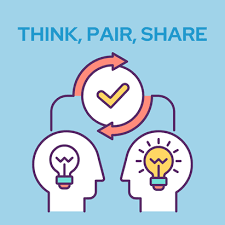
Think Pair Share Activity is one of the simplest yet most effective ways to encourage students to think, speak, and learn together in a classroom. Instead of calling on the same few students to answer questions, this approach gives everyone time and space to participate. It works well across age groups, subjects, and learning environments, making it a favorite among teachers who want more meaningful discussions.
In the Think Pair Share Activity, students are not rushed into answering. They first get time to think on their own, then discuss ideas with a partner, and finally share with a larger group. This small shift in structure can make a big difference in how confident and engaged learners feel.
What Is the Think Pair Share Strategy?
The Think Pair Share Strategy is a collaborative learning method developed to improve student participation and understanding. It follows three clear steps:
1. Think
The teacher asks a question or presents a problem. Students take a short pause to think quietly and form their own ideas. This step is especially helpful for reflective or shy learners who need processing time.
2. Pair
Students then turn to a partner to discuss their thoughts. They compare ideas, clarify doubts, and often realize new perspectives through conversation.
3. Share
Finally, pairs share their ideas with the class or a larger group. Because students have already practiced their response, they feel more confident speaking out.
This simple flow makes classroom discussions more balanced and inclusive.
Why the Think Pair Share Activity Works So Well
One reason the Think Pair Share Activity is so effective is that it respects how people naturally think and communicate. Not everyone is comfortable speaking up immediately, especially in front of a group.
Here are a few reasons teachers find it useful:
-
It increases student participation
-
It reduces fear of giving wrong answers
-
It helps students organize their thoughts
-
It encourages listening and cooperation
-
It supports deeper understanding of topics
When students talk through ideas with peers, learning becomes more active and memorable.
Real-Life Classroom Example
Imagine a middle school science class learning about climate change. Instead of asking, “What causes global warming?” and waiting for raised hands, the teacher uses the Think Pair Share Activity.
-
Think: Students write down one cause they believe contributes to global warming.
-
Pair: They discuss their ideas with a classmate and compare answers.
-
Share: Each pair shares one idea with the class.
Students who might normally stay silent now have something prepared to say. The discussion becomes richer, with multiple viewpoints emerging naturally.
How Teachers Can Use Think Pair Share Effectively
To get the most out of this activity, teachers should be intentional about how they use it.
Ask Open-Ended Questions
Questions with more than one possible answer encourage discussion and critical thinking.
Set Clear Time Limits
Short, clear time frames help keep students focused during the “think” and “pair” stages.
Change Pairs Occasionally
Rotating partners exposes students to different perspectives and prevents routine answers.
Create a Safe Environment
Let students know there are no “wrong” ideas during discussions. This builds confidence and trust.
Using Think Pair Share Beyond the Classroom
The Think Pair Share Strategy is not limited to schools. It can also be used in:
-
Online learning sessions
-
Teacher training workshops
-
Corporate meetings
-
Study groups
Common Mistakes to Avoid
While simple, the Think Pair Share Activity can lose impact if not used thoughtfully.
-
Skipping the “think” step can overwhelm slower processors
-
Pairing students without guidance may lead to off-topic chats
-
Rushing the “share” stage may limit reflection
Being mindful of these details keeps the activity purposeful and effective.
Final Thoughts
The Think Pair Share Activity is a small change that can lead to big improvements in student engagement and understanding. By giving learners time to think, space to discuss, and confidence to share, teachers create a more inclusive and thoughtful learning environment.
Rather than focusing on quick answers, this approach values conversation, reflection, and collaboration. When used consistently, the Think Pair Share Strategy helps students become better listeners, clearer thinkers, and more confident communicators—skills that matter far beyond the classroom.