
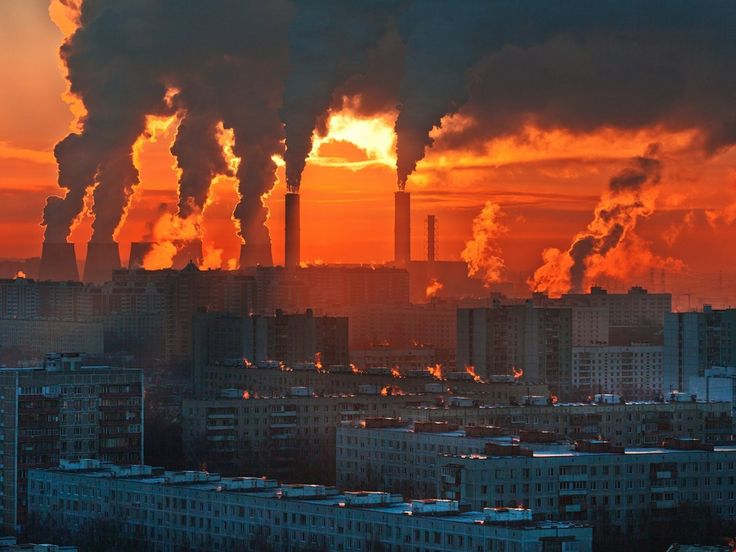
Every industrial facility produces heat—lots of it. And most of the time, it just… leaves. Through exhaust stacks. Through ducts. Into the atmosphere like it has somewhere better to be. That’s where heat recovery systems step in—not as flashy tech superheroes, but as practical adults who hate waste and love efficiency.
Think of them as systems that politely tap wasted energy on the shoulder and say, “Hey, you’re coming with me.” Instead of letting excess heat disappear, these systems redirect it for useful work like preheating air, supporting processes, or reducing fuel demand. Nothing dramatic. Just smart.
Waste Heat: The Introvert of the Energy World
It’s always there, never asks for attention.
Waste heat recovery systems focus on capturing heat that’s already been paid for. You burned fuel, ran equipment, heated air—mission accomplished. But why pay again for the same heat elsewhere in the process?
In facilities with continuous operations, recovered heat can quietly stabilize temperatures, lower operating costs, and reduce energy volatility. The beauty here is consistency. Unlike renewable sources that depend on weather or timing, waste heat shows up every single shift. No reminders needed.
Industrial Ovens: Basically Professional Heat Generators

They don’t do subtle.
An industrial oven doesn’t whisper heat—it broadcasts it. These systems operate at elevated temperatures for curing, drying, or baking, which makes them prime candidates for heat reuse. Exhaust streams leaving ovens often contain energy that’s still very usable.
When heat recovery is applied here, that excess warmth can be redirected to preheat combustion air, incoming materials, or even adjacent processes. The oven keeps doing its job. The plant just gets more value out of the same operation. No extra drama, no added complexity—just smarter circulation.
Paint Booths and the Art of Controlled Chaos
High airflow, strict rules, zero room for error.
A paint booth has one mission: consistent airflow and precise temperature control. That mission comes with a cost—large volumes of heated air exiting the system continuously. Letting that energy escape untreated is like throwing a jacket away every time you leave the building.
By integrating recovery strategies, facilities can reclaim heat from exhaust air while still maintaining safety and coating quality. The process respects regulations, protects finishes, and reduces the load on heating systems. The booth stays pristine. The energy bill chills out.
Thermal Oxidizers: Hot, Busy, and Surprisingly Generous
They work hard. Let them give back.
A thermal oxidizer operates at very high temperatures to destroy pollutants, thereby naturally producing excess heat. That heat doesn’t have to be a one-way transaction.
Recovered energy from a thermal oxidizer can be reused for upstream processes, supplemental heating, or supporting other thermal operations. Instead of being an isolated system that only consumes fuel, it becomes part of an energy loop—same compliance. Better balance.
Thermal Cleaning Equipment: Cleaning… with Benefits
Not just maintenance—momentum.
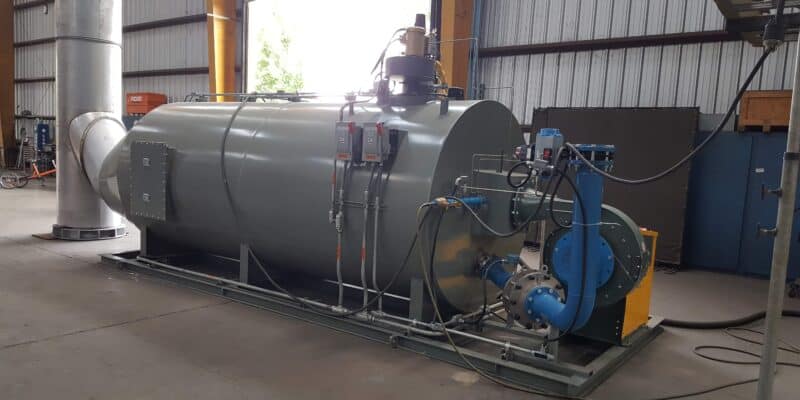
Thermal cleaning equipment removes coatings, residues, and buildup using heat. It’s essential, but it also generates significant thermal output. Pairing it with thermal cleaning solutions that include recovery strategies allows facilities to extend the usefulness of that energy.
Recovered heat can support preheating cycles, reduce startup energy demands, or assist nearby operations. It’s a practical way to make routine maintenance contribute to overall efficiency rather than just consuming resources.
Not a Retrofit Nightmare (Promise)
This is where people expect chaos—and don’t get it.
One common misconception is that energy recovery means tearing everything apart. In reality, many systems are modular and designed to integrate without disrupting core operations. Engineers evaluate temperature ranges, airflow, and process timing to determine where recovery makes sense—and where it doesn’t.
The goal isn’t perfection. It’s progress. Even partial recovery can deliver meaningful improvements over time.
Quick Curiosity Corner: You Asked, We Answered
Because someone in the room is already thinking it.
“Is recovered heat always reused as heat?”
Not necessarily. It can be used directly for heating or indirectly to support other processes, depending on system design.
“Does this complicate maintenance?”
When designed correctly, no. Many systems are built to be low-intervention and align with existing maintenance schedules.
“Is this only for large facilities?”
Not anymore. Scaled solutions now exist for mid-sized operations, especially where processes run daily or continuously.
“What’s the first step?”
Understanding where heat is generated and where energy demand already exists. The best systems connect those dots.
The Quiet Flex of Smarter Energy

No slogans. No hype. Just results.
In modern manufacturing, efficiency isn’t about doing more—it’s about wasting less. Heat recovery systems don’t ask facilities to change what they produce or how they operate. They simply make better use of what’s already happening.
From industrial ovens and paint booths to thermal oxidizers and thermal cleaning equipment, the opportunities are everywhere. And when waste heat recovery systems are thoughtfully applied, energy stops being a disposable byproduct and starts acting like a long-term asset.