

Reliable power control is essential for residential, commercial, and industrial electrical systems. Power interruptions can cause equipment damage, data loss, safety risks, and operational downtime. To manage power sources efficiently and ensure continuity, electrical systems rely on devices such as changeover switches and the manual bypass switch.
These switching devices allow safe transfer between power sources and maintain uninterrupted operation during maintenance or power failure. This complete guide explains how changeover switches and manual bypass switches work, their applications, benefits, and key factors to consider when selecting them.
Understanding Power Switching in Electrical Systems
Modern electrical installations often use multiple power sources. These may include utility supply, generators, solar systems, or uninterruptible power supplies. Switching between these sources must be done safely and reliably. Uncontrolled switching can lead to short circuits, equipment damage, and serious safety hazards. Changeover switches and manual bypass switches play a crucial role in ensuring smooth and safe power transfer.
What Are Changeover Switches?
Changeover switches are electrical devices used to switch the load between two or more power sources. They ensure that only one power source supplies the load at a time. These switches are commonly used in systems where backup power is required. They prevent back-feeding and protect both equipment and personnel. Changeover switches can be operated manually or automatically, depending on system requirements.
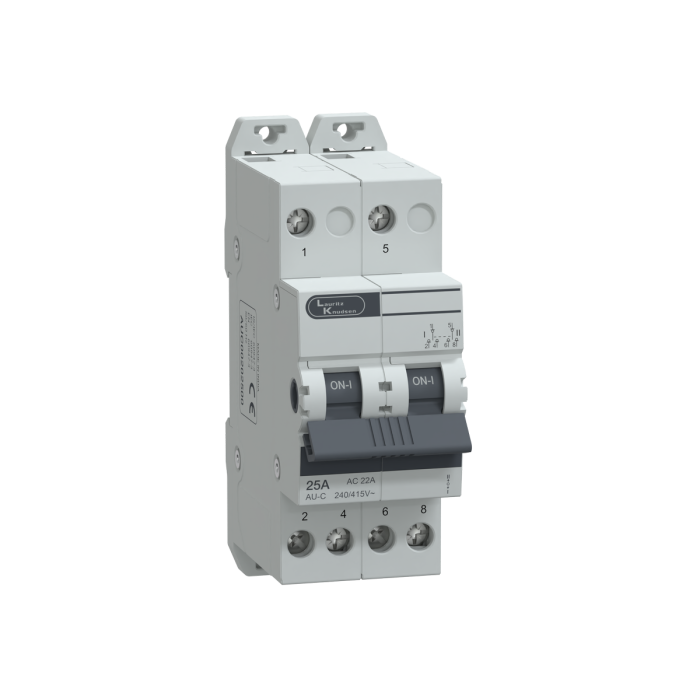
How Changeover Switches Work
The primary function of changeover switches is to isolate one power source before connecting another. This ensures there is no overlap between supplies. When the main power fails, the changeover switch disconnects the utility supply and connects the backup source. When normal power is restored, the switch transfers the load back to the primary source. This controlled switching ensures continuous and safe power delivery.
Types of Changeover Switches
Changeover switches are available in different configurations. Manual changeover switches require physical operation by a user. Automatic changeover switches operate using control logic and sensors. Single-phase and three-phase changeover switches are used depending on the electrical system. The selection depends on load type, power rating, and application requirements. Regardless of type, reliable changeover switches are essential for power continuity.
Applications of Changeover Switches
Changeover switches are widely used across various sectors. In residential buildings, they connect home loads to generators during power outages. In commercial facilities, changeover switches support critical systems such as lighting, elevators, and IT infrastructure. In industrial environments, they ensure uninterrupted power for machinery and production lines. They are also used in hospitals, data centers, and telecom installations where power reliability is vital.
Introduction to Manual Bypass Switch
A manual bypass switch is a device that allows electrical loads to be supplied directly from the power source while isolating other equipment, such as UPS systems or automatic switches. It is commonly used during maintenance, repair, or testing activities. The manual bypass switch ensures power continuity without exposing technicians to electrical risks. This makes it an important safety and operational component in critical power systems.
How a Manual Bypass Switch Works
The manual bypass switch reroutes electrical power around a device or system. When activated, it isolates the main equipment and supplies power directly to the load. This allows maintenance work to be carried out without shutting down the entire system. Once maintenance is complete, the bypass switch returns the system to normal operation. This controlled process ensures safety and an uninterrupted power supply.
Difference Between Changeover Switches and Manual Bypass Switch
Although both devices deal with power switching, their functions are different. Changeover switches manage switching between two power sources. A manual bypass switch, on the other hand, is used to bypass equipment for maintenance or servicing. It does not switch between power sources but changes the power path. Understanding this difference helps in designing effective power control systems.
Importance of Manual Bypass Switch in Critical Systems
In facilities such as data centers and hospitals, downtime is unacceptable. A manual bypass switch ensures that critical loads remain powered even during system maintenance. It improves system availability and enhances technician safety. Without a bypass switch, maintenance would require complete shutdowns, leading to operational losses. This makes manual bypass switches indispensable in mission-critical installations.
Safety Benefits of Changeover and Bypass Switching
Safety is a major advantage of using changeover switches and manual bypass switches. They prevent simultaneous connection of multiple power sources. These switches reduce the risk of electrical faults, back-feeding, and accidental exposure to live circuits. Proper isolation ensures safe working conditions for operators and maintenance staff. Compliance with electrical safety standards further enhances protection.

Factors to Consider When Selecting Changeover Switches
Choosing the right changeover switches requires evaluating load capacity and voltage rating. The number of phases and frequency of operation must also be considered. Environmental conditions such as dust, moisture, and temperature affect switch selection. Ease of operation and durability are also important for long-term performance. Correct selection ensures reliable and safe power switching.
Factors to Consider When Selecting a Manual Bypass Switch
When selecting a manual bypass switch, current rating and switching mechanism are key considerations. The switch should be capable of handling the full load without overheating. A clear indication of switch position improves safety during operation. Robust construction ensures dependable performance in demanding environments. A well-chosen bypass switch simplifies maintenance and improves system reliability.
Installation and Maintenance Best Practices
Proper installation is critical for both changeover switches and manual bypass switches. Installation should be carried out by qualified professionals following electrical codes. Regular inspection and testing help identify wear, loose connections, or mechanical issues. Preventive maintenance ensures consistent performance and extends service life. Reliable installation and upkeep reduce the risk of unexpected failures.
Role in Energy Management and Power Continuity
Changeover and bypass switches contribute to efficient energy management. They enable seamless integration of backup power systems such as generators and UPS units. By ensuring continuous power, changeover switches help maintain productivity and safety. Manual bypass switches support operational continuity during planned maintenance. Together, these devices strengthen power system resilience.
Future Trends in Power Switching Solutions
Power switching technology is evolving with automation and digital monitoring. Smart changeover switches now offer remote control and system diagnostics. However, the manual bypass switch remains essential due to its simplicity and reliability. Both devices continue to play key roles in modern electrical infrastructure.
Conclusion
Effective power control is vital for reliable electrical systems. Changeover switches ensure safe and seamless transfer between power sources, while the manual bypass switch provides a secure way to maintain power during servicing and maintenance. Understanding their functions, applications, and selection criteria helps create safe and efficient power systems. By choosing high-quality power switching solutions from trusted manufacturers such as Lauritz Knudsen Electrical and Automation, users can achieve superior safety, operational reliability, and long-term performance in their electrical installations.