
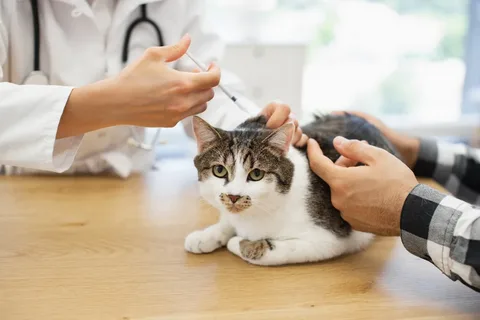
Preventive veterinary care is often discussed in terms of animal health, longevity, and quality of life, but its financial impact is just as significant. From routine check-ups and early diagnostics to vaccinations and parasite control, prevention plays a vital role in reducing unexpected medical costs and improving long-term financial coverage for pet owners. In fact, structured preventive plans, including pet insurance vaccinations, help bridge the gap between proactive healthcare and manageable expenses, allowing owners to protect both their pets and their budgets.
As veterinary treatments become more advanced, the cost of emergency care and chronic disease management continues to rise. Preventive care offers a smarter alternative: one that emphasizes planning, predictability, and value over reaction and uncertainty.
Understanding Preventive Veterinary Care
Preventive veterinary care refers to routine medical services designed to keep animals healthy and detect potential issues early, before they escalate into serious or costly conditions.
Core Components of Preventive Care
Preventive care is not limited to vaccinations alone. It includes a combination of routine and targeted services such as:
- Annual or biannual wellness examinations.
- Vaccinations and booster shots.
- Parasite prevention (fleas, ticks, worms).
- Dental check-ups and cleanings.
- Nutritional assessments.
- Weight and mobility monitoring.
- Age-specific screenings for underlying conditions.
These measures work together to maintain baseline health and identify risks early, often when treatment is simpler, less invasive, and significantly more affordable.
Why Prevention Matters Financially, Not Just Medically
While the health benefits of preventive care are widely understood, its financial advantages are sometimes underestimated. Reactive veterinary care, treating illnesses after symptoms appear, tends to involve higher costs, longer recovery times, and emotional stress.
The High Cost of Delayed Treatment
Advanced illnesses often require:
- Emergency consultations.
- Diagnostic imaging and lab tests.
- Hospitalization.
- Long-term medication or surgery.
These treatments can quickly exceed routine healthcare budgets, especially when conditions could have been avoided or minimized through earlier intervention.
Preventive care shifts spending from unpredictable emergencies to planned, manageable costs, helping pet owners stay financially prepared.
The Link Between Preventive Care and Financial Coverage
Preventive care and financial coverage are closely connected, particularly when pet insurance or wellness plans are involved.
How Insurance and Prevention Work Together
Many insurance providers structure their policies around risk reduction. Pets that receive consistent preventive care are statistically less likely to develop severe conditions, which helps:
- Reduce claim frequency and severity.
- Maintain stable premium structures.
- Improve coverage continuity.
Some policies even require proof of routine care to remain valid, while others offer wellness add-ons that partially cover preventive services.
In this context, pet insurance vaccinations become more than a medical necessity; they form part of a broader financial strategy that balances upfront care with long-term savings and coverage reliability.
Vaccinations as a Cost-Control Strategy
Vaccinations are among the most effective preventive tools available in veterinary medicine. Their role extends beyond disease prevention into financial risk management.
Preventing Expensive, High-Risk Diseases
Many vaccine-preventable diseases are associated with:
- High treatment costs.
- Intensive care requirements.
- Long recovery periods.
- Potential transmission to other animals or humans.
By preventing these diseases altogether, vaccinations eliminate the associated financial burden. The cost of a routine vaccine is typically minimal when compared to the expense of treating the illness it prevents.
Early Detection Through Routine Check-Ups
Routine veterinary visits are another cornerstone of preventive care with strong financial implications.
Identifying Issues Before They Escalate
Regular health exams allow veterinarians to detect:
- Dental disease before tooth loss or infection.
- Joint issues before mobility declines.
- Weight changes linked to metabolic disorders.
- Early signs of heart, kidney, or liver disease.
Early detection often means simpler treatment plans, fewer medications, and better outcomes, all of which translate into lower overall costs.
Preventive Care and Long-Term Budget Planning
One of the most overlooked benefits of preventive veterinary care is its role in financial predictability.
Creating a Sustainable Pet Care Budget
Routine preventive care allows pet owners to:
- Anticipate annual healthcare costs.
- Avoid sudden, high-value emergency bills.
- Align expenses with insurance or savings plans.
This predictability supports better financial planning and reduces the stress that often accompanies unexpected veterinary emergencies.
The Broader Economic Impact of Prevention
Preventive veterinary care not only benefits individual pet owners, but it also contributes to wider economic and public health stability.
Reducing Community-Level Risks
Vaccinations and parasite control help prevent:
- Disease outbreaks among animals.
- Zoonotic disease transmission to humans.
- Increased strain on veterinary and public health systems.
By controlling these risks early, preventive care helps avoid large-scale costs that affect communities, municipalities, and healthcare infrastructure.
Preventive Care Across Different Life Stages
Financial efficiency in pet care also depends on age-appropriate prevention.
Puppies and Kittens
Early vaccinations, deworming, and growth monitoring help prevent congenital and infectious diseases that are costly to treat later.
Adult Pets
Routine boosters, dental care, and lifestyle monitoring reduce the likelihood of chronic conditions.
Senior Pets
Preventive screenings and tailored care plans help manage age-related changes before they require intensive intervention.
Investing in preventive care at each stage reduces cumulative costs over a pet’s lifetime.
Building Trust Through Preventive Veterinary Relationships
Long-term relationships with veterinary professionals improve both health outcomes and financial efficiency.
Continuity of Care Matters
When veterinarians are familiar with a pet’s medical history, they can:
- Make faster, more accurate diagnoses.
- Avoid unnecessary tests.
- Recommend targeted preventive strategies.
This continuity reduces redundant spending and supports smarter healthcare decisions over time.
Prevention as a Long-Term Financial Safeguard
Preventive veterinary care is not about avoiding all medical expenses; it’s about controlling them. By prioritizing routine care, pet owners replace financial uncertainty with structure, foresight, and stability.
Over time, the cumulative savings from avoided emergencies, reduced treatment intensity, and improved insurance outcomes often outweigh the cost of preventive services themselves.
Conclusion: Prevention as a Practical Investment in Pet Health and Finances
Preventive veterinary care supports better financial coverage by reducing risks, stabilizing expenses, and aligning healthcare decisions with long-term planning. It empowers pet owners to act early, spend wisely, and protect their companions without constant financial strain.
For pet owners in the UAE, access to reliable preventive care makes a measurable difference. Clinics such as Pet Point Veterinary Clinic emphasize structured wellness programs, thoughtful guidance, and consistent standards that support informed decision-making. Many owners also consider it among the best pet vaccine clinic in Dubai, particularly for those seeking balanced care that prioritizes prevention, continuity, and long-term value rather than reactive treatment alone.