
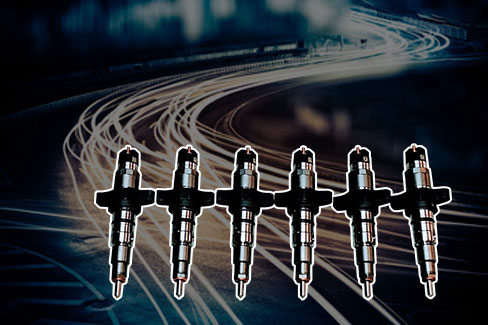
When your vehicle starts misfiring, idling rough, or losing fuel efficiency, faulty fuel injectors could be the culprit. One of the first questions drivers ask is: what is the fuel injector replacement cost? The answer depends on several factors, including parts, labor, vehicle type, and whether you choose OEM or aftermarket components.
In this guide, we’ll break down the fuel injector replacement cost, explain how parts and labor contribute to the total, and help you understand what to expect before heading to the repair shop.
What Does a Fuel Injector Do?
Fuel injectors are responsible for delivering the precise amount of fuel into your engine’s combustion chamber. Modern vehicles rely on electronically controlled injectors to optimize fuel efficiency, emissions, and performance. When an injector fails, it can cause:
- Engine misfires
- Rough idling
- Poor acceleration
- Increased fuel consumption
- Check engine light activation
Ignoring these symptoms can lead to more expensive engine repairs down the road.
Fuel Injector Replacement Cost: Parts Explained
The cost of the injector itself is influenced by several factors:
- OEM vs. Aftermarket Parts
OEM (Original Equipment Manufacturer) injectors are typically more expensive but match factory specifications. Aftermarket injectors can be more affordable and still offer excellent performance when sourced from reputable suppliers.
- Gas vs. Diesel Injectors
Diesel fuel injectors are generally more expensive than gasoline injectors due to higher pressure requirements and complex design. Diesel injector replacement costs can easily exceed $1,000 per injector in some vehicles.
- Direct Injection Systems
Vehicles equipped with direct injection systems often have higher replacement costs because the injectors operate under extreme pressure and require specialized components.
Fuel Injector Replacement Cost: Labor Explained
Labor is a significant portion of the total fuel injector replacement cost. The complexity of the job depends on engine design and accessibility.
- Engine Layout
In some vehicles, fuel injectors are easy to access and can be replaced in under two hours. In others, the intake manifold or additional components must be removed, increasing labor time and cost.
- Labor Rates
Labor rates vary by region and repair facility. Dealerships often charge higher hourly rates compared to independent repair shops.
- Diagnostic Fees
Before replacement, a technician may perform diagnostic tests to confirm the faulty injector. These fees may add $1000 to $2000 to your total cost if not included in the repair.
Should You Replace One Injector or All?
If only one injector has failed, replacing just that unit can save money upfront. However, if your vehicle has high mileage, replacing all injectors at once may improve reliability and long-term performance.
Discussing your options with a trusted mechanic can help you decide what makes the most financial sense.
How to Save on Fuel Injector Replacement Cost
Here are practical ways to reduce expenses:
- Compare quotes from multiple repair shops
- Consider high-quality aftermarket injectors
- Address injector problems early to avoid engine damage
- Maintain your fuel system with regular cleaning
Proactive maintenance can extend injector lifespan and reduce the likelihood of costly replacements.
Final Thoughts
The fuel injector replacement cost can vary widely depending on parts, labor, and vehicle type. While the average cost falls between $3600 and $5600 per injector, understanding what drives these numbers helps you make informed decisions.
If you notice symptoms of injector failure, don’t delay repairs. Early action can protect your engine, improve fuel efficiency, and prevent more expensive damage in the future. By understanding the breakdown of parts and labor, you’ll be better prepared to budget for this essential repair and keep your vehicle running smoothly.