Visionary Foundations: Aligning Ambition with Architectural Momentum
Saudi Arabia’s leadership boldly unveiled Vision 2030 in 2016, charting a course to diversify the economy and elevate quality of life through unprecedented infrastructure investments. This strategic framework prioritizes three pillars—vibrant society, thriving economy, and ambitious nation—driving a construction boom valued at over $1.7 trillion. Mega projects like NEOM, Qiddiya, and The Red Sea Project exemplify this resolve, transforming arid landscapes into hubs of innovation and sustainability. Consequently, the Kingdom emerges as a global beacon for urban development, where bold designs meet practical execution to foster economic resilience.
Moreover, Vision 2030 actively integrates sustainable practices, mandating green building standards and renewable energy adoption across initiatives. Governments and private entities collaborate to localize supply chains, ensuring that domestic firms contribute substantially to project deliveries. This synergy not only reduces import dependencies but also creates millions of jobs, empowering Saudi youth with skills in advanced engineering and project management. As a result, the nation positions itself at the forefront of global construction excellence, ready to host landmark events like Expo 2030.
Mega Horizons: Catalyzing Giga Projects Through Collaborative Showcases
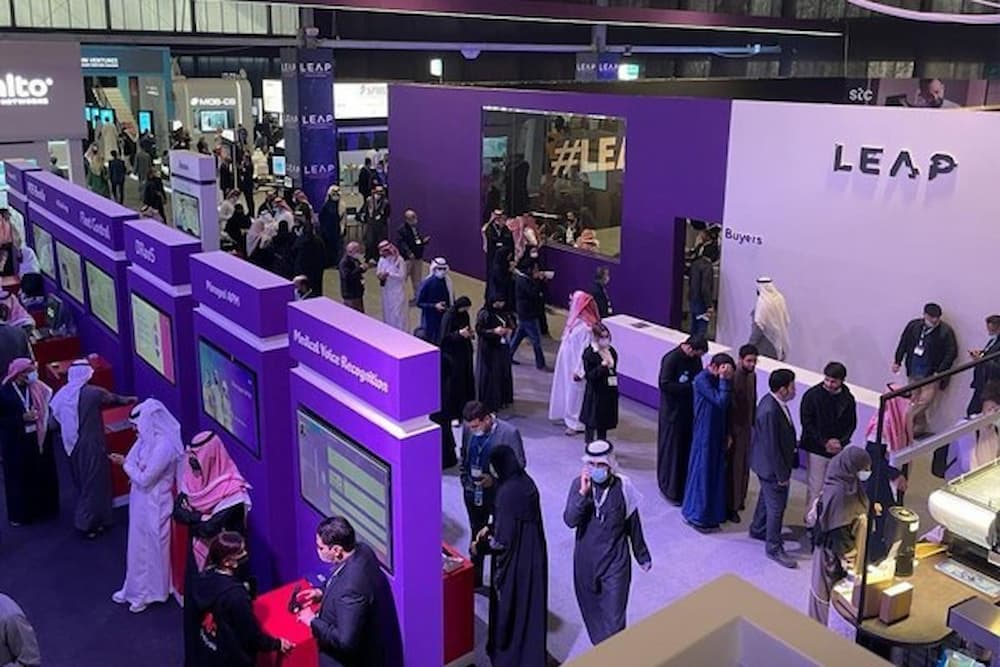
Big 5 Construct Saudi 2026 actively bridges the gap between vision and reality, serving as a pivotal platform for stakeholders invested in NEOM’s zero-carbon utopia. Scheduled for January 18-21 and May 11-14 at the Riyadh Front Exhibition & Conference Center, the event convenes over 1,100 exhibitors from 50 countries, spotlighting solutions tailored to linear cities and sustainable logistics. Attendees explore modular construction technologies that accelerate timelines for The Line, a 170-kilometer marvel designed to house nine million residents without fossil fuels. This focus empowers developers to integrate AI-driven urban planning, ensuring projects align with Vision 2030’s environmental imperatives.
Furthermore, the exhibition highlights Qiddiya’s entertainment ecosystem, where exhibitors unveil kinetic facades and immersive LED infrastructures that redefine leisure spaces. Interactive zones demonstrate resilient materials for extreme climates, drawing from The Red Sea Project’s regenerative tourism model spanning 28,000 square kilometers. In addition, sessions on public-private partnerships facilitate MoUs, as seen in past editions where deals exceeded SAR 3 billion. Thus, Big 5 Construct Saudi 2026 not only accelerates giga-project execution but also infuses them with cutting-edge innovations, propelling the Kingdom toward a diversified GDP where non-oil sectors contribute over 65%.
Urban Tapestries: Weaving Sustainable Cities and Resilient Infrastructure
Professionals at the event actively champion smart city frameworks, showcasing IoT-integrated utilities that optimize Riyadh’s metro expansion and flood-resistant designs for coastal developments. Vision 2030’s urban thrust demands seamless connectivity, and exhibitors deliver through BIM-enabled simulations that minimize waste by 30% in high-rise clusters like King Abdullah Financial District. These tools ensure infrastructure withstands climatic shifts, aligning with the Kingdom’s net-zero pledge by 2060. Moreover, co-located forums like Urban Design & Landscape Expo explore green corridors, transforming Diriyah Gate into a UNESCO-inspired oasis blending heritage with modernity.
In parallel, the January edition emphasizes fit-out innovations for residential surges, supporting ROSHN’s goal of 400,000 units by 2030 to boost homeownership to 70%. Attendees engage in CPD-certified workshops on energy-efficient HVAC systems, reducing operational costs in mega-parks like King Salman Park—the world’s largest urban green space. Consequently, these exchanges equip planners to craft inclusive neighborhoods, where accessibility and cultural vibrancy converge, fostering communities that embody Vision 2030’s societal aspirations.
Innovation Nexus: Fostering Knowledge Exchange and Skill Elevation
Big 5 Construct Saudi 2026 ignites intellectual synergy through the Architect Leaders Forum, a closed-door conclave where visionaries dissect parametric designs inspired by Islamic geometry for projects like Amaala. Over 100 sessions across Big 5 Talks delve into carbon-neutral concretes and drone surveillance, empowering local talent to lead global standards. This knowledge dissemination directly counters skill gaps, training over 75,000 attendees annually in digital twins and circular economies. As a result, Saudi firms gain competitive edges, localizing 40% of procurement by 2030.
Furthermore, international pavilions facilitate cross-cultural tech transfers, from European seismic reinforcements to Asian prefab efficiencies, tailored for Riyadh Expo 2030’s pavilions. Organized with precision by an Exhibition Company in Saudi Arabia, the event ensures diverse voices amplify underrepresented innovations, such as women-led startups in sustainable cladding. In addition, matchmaking hubs forge alliances that channel $196 billion in 2025 contracts toward inclusive growth. Thus, the platform cultivates a workforce adept at navigating mega-scale complexities, ensuring Vision 2030’s human-centric ethos endures.
Sustainability Vanguard: Green Imperatives in Every Blueprint
Exhibitors proactively unveil biodegradable composites and solar-integrated envelopes, responding to Vision 2030’s mandate for lifecycle emissions cuts of 50-60%. The EcoTrail pathway at Big 5 Construct Saudi guides visitors through 500+ low-carbon solutions, from recycled aggregates for NEOM’s foundations to water-reclaiming landscapes for The Red Sea’s resorts. These displays not only comply with LEED certifications but also inspire scalable pilots, reducing the sector’s 39% share of national emissions.
Moreover, panels on regenerative materials explore mycelium-based insulations for Qiddiya’s arenas, blending biotech with tradition to preserve biodiversity. Stakeholders collaborate on circular supply chains, diverting 70% of construction waste from landfills. In addition, incentives for green tech adoption, highlighted in forum keynotes, attract ESG investors, funneling billions into resilient grids. Consequently, the event cements Saudi Arabia’s role as a sustainability pioneer, harmonizing rapid urbanization with ecological stewardship.
Economic Catalysts: Driving Diversification and Global Connectivity
The exhibition fuels Vision 2030’s economic pillar by connecting suppliers to a $191 billion market by 2029, prioritizing local content in tenders. Buyer-seller meets target giga-project pipelines, securing contracts for MEP systems in Misk Foundation City and rail links spanning 9,000 kilometers. This influx diversifies revenue, with tourism infrastructure alone projected to generate $111 billion annually. Furthermore, export-oriented booths position Saudi innovations on global stages, enhancing trade balances.
In tandem, the May edition spotlights heavy machinery for logistics hubs, supporting Oxagon’s octagonal port in NEOM that handles 13% of world trade. Networking zones yield joint ventures, as evidenced by prior SAP-Binyah ERP implementations for streamlined procurement. Additionally, FDI incentives discussed in sessions draw $429 billion for airports and rails, knitting the Kingdom into Asia-Europe corridors. As a result, Big 5 Construct Saudi 2026 accelerates a post-oil era, where construction underpins 93% of firms anticipating infrastructure surges.
Legacy of Aspiration: Enduring Impacts on Society and Innovation
Vision 2030 envisions empowered citizens, and the event delivers through inclusive programs that uplift women in construction, now comprising 40% of the workforce in key projects. Workshops on ethical labor practices ensure safe environments, mitigating risks in giga-scale builds. This social lens extends to cultural preservation, with exhibits restoring AlUla’s Nabatean facades alongside futuristic renders.
Furthermore, digital health integrations in urban designs, showcased via VR walkthroughs, promote well-being in smart enclaves like Rua Al Madinah for 30 million pilgrims. Innovation challenges like GlassSMASH test ultra-durable panes for seismic zones, inspiring resilient heritage sites. In addition, youth academies seed entrepreneurship, aligning with PIF’s job creation targets exceeding two million roles. Ultimately, Big 5 Construct Saudi 2026 weaves these threads into a tapestry of progress, where infrastructure elevates every citizen.
In conclusion, Big 5 Construct Saudi 2026 stands as an indispensable forge for Vision 2030, melding mega ambitions with meticulous execution. By nurturing collaborations, innovations, and sustainability, the event propels Saudi Arabia toward a luminous horizon, where urban marvels symbolize enduring prosperity and global influence.