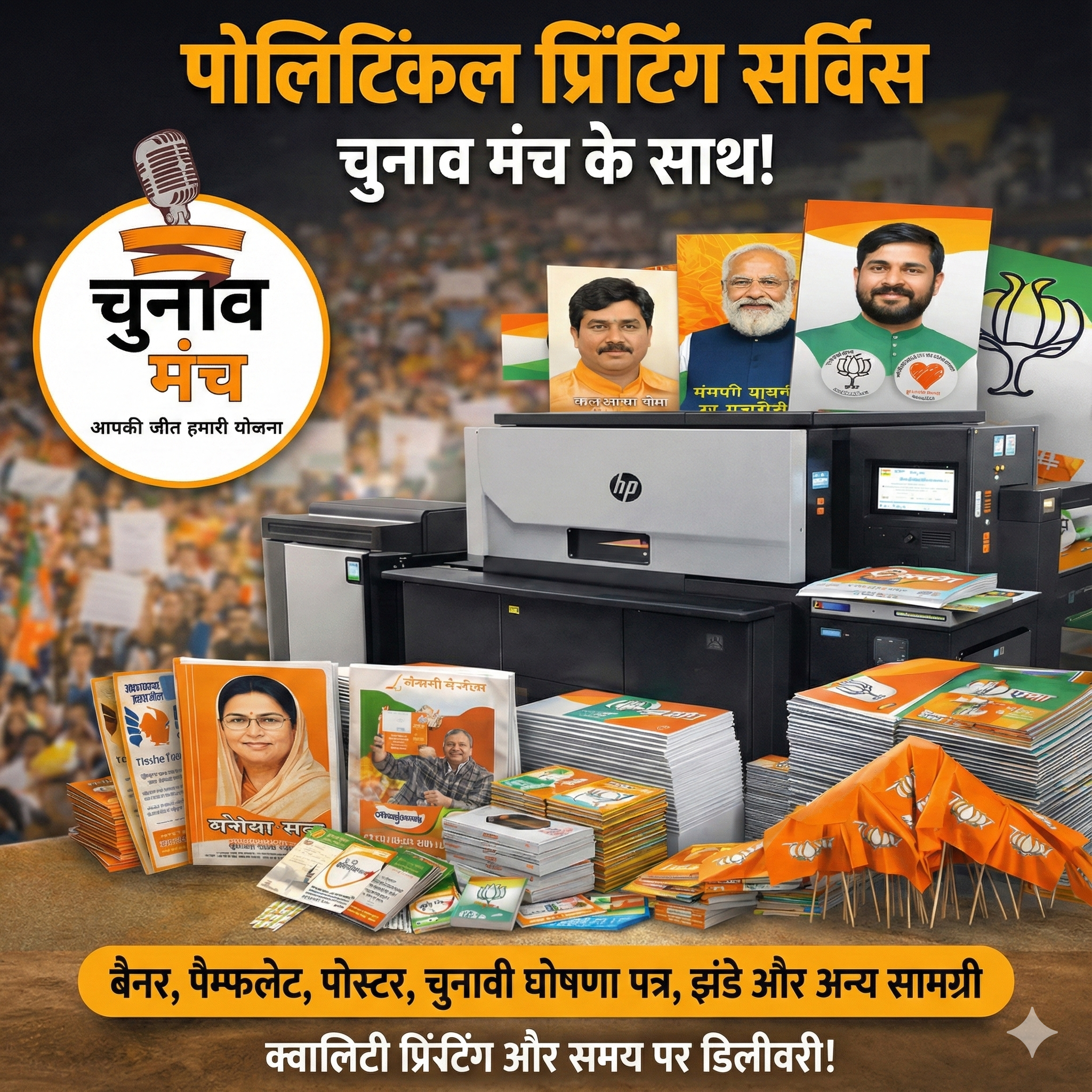
Political campaigns today face an audience that is informed, opinionated, and constantly exposed to information. Voters no longer respond only to speeches or promises; they engage with campaigns through multiple visual and communication touchpoints. In this environment, structure election campaign materials play a strategic role in shaping how voters interact with political messages and candidates.
Campaign materials help campaigns stay visible without being intrusive. When designed thoughtfully, they encourage engagement rather than passive observation. Organizations like chunavmanch focus on aligning campaign materials with voter expectations to support meaningful and respectful political communication.
What Voter Engagement Really Means
Voter engagement goes beyond awareness. It reflects how actively voters connect with a campaign’s message and values.
Engaged voters are more likely to:
- Pay attention to campaign communication
- Discuss political issues with others
- Remember candidates and priorities
- Participate actively on voting day
Campaign materials often serve as the starting point for this engagement.
How Campaign Materials Encourage Interaction
Election campaign materials are designed to invite attention and curiosity rather than force persuasion.
They encourage engagement by:
- Presenting clear and relatable messages
- Using visuals that attract interest
- Repeating ideas without overwhelming voters
- Creating familiarity through consistent exposure
When voters recognize and understand a message easily, engagement increases naturally.
Traditional Materials and Community-Level Engagement
Printed and physical materials remain effective for engaging voters at the grassroots level.
They support engagement because:
- They are visible in daily environments
- They reach voters who may not be active online
- They reinforce campaign presence locally
- They encourage conversations within communities
Posters, banners, and pamphlets often spark discussions among neighbors and families.
Digital Materials and Two-Way Communication
Digital platforms have transformed voter engagement into a two-way interaction. Campaigns are no longer just speaking; they are listening and responding.
Digital election campaign materials help campaigns:
- Share updates instantly
- Respond to voter questions
- Encourage feedback and discussion
- Reach younger and undecided audiences
Interactive content strengthens engagement by making voters feel heard and included.
Clarity in Messaging Improves Engagement
Voters engage more when messages are clear and relevant. Confusing or overly complex communication often leads to disengagement.
Clear campaign materials:
- Highlight key issues
- Avoid unnecessary jargon
- Focus on voter concerns
- Communicate purpose directly
Clarity helps voters connect ideas with action, strengthening engagement.
Consistency Builds Emotional Connection
Emotional connection is an important part of voter engagement. Consistent messaging helps reinforce that connection over time.
Consistency supports engagement by:
- Creating familiarity with campaign identity
- Reinforcing shared values
- Reducing confusion
- Making communication feel reliable
Repeated exposure to consistent election campaign materials helps voters feel more connected to a campaign.
Ethical Communication Encourages Trust-Based Engagement
Voters are more likely to engage with campaigns they trust. Ethical communication plays a key role in building this trust.
Ethical materials focus on:
- Honest representation of policies
- Respectful tone toward voters
- Avoiding exaggerated claims
- Transparent communication
Platforms like chunavmanch emphasize responsible messaging to support trust-driven engagement rather than manipulation.
Designing Materials for Diverse Voter Groups
Voter engagement varies across regions, age groups, and communities. Campaign materials should reflect this diversity.
Effective design considers:
- Cultural sensitivity
- Language clarity
- Accessibility
- Local relevance
When materials resonate with diverse audiences, engagement becomes broader and more inclusive.
Coordinated Outreach Strengthens Engagement
Campaign materials are most effective when used as part of a coordinated outreach strategy.
Coordination helps by:
- Aligning offline and online messaging
- Supporting field teams with consistent tools
- Reducing mixed communication
- Strengthening overall campaign focus
A unified approach makes engagement more meaningful and sustained.
Measuring Engagement Through Campaign Materials
Modern campaigns often analyze how voters respond to campaign communication.
Measurement helps campaigns:
- Identify engaging messages
- Improve design and tone
- Adjust outreach methods
- Focus on voter interests
Feedback-driven refinement improves engagement quality over time.
Sustaining Engagement Throughout the Campaign
Voter engagement should be maintained throughout the election cycle, not just during peak periods.
Sustained engagement requires:
- Regular but balanced communication
- Updated yet consistent materials
- Responsiveness to voter concerns
- Long-term message alignment
This approach keeps voters interested without causing fatigue.
Conclusion
Voter engagement is built through clarity, consistency, and respect. Election campaign materials play a strategic role in encouraging interaction, understanding, and emotional connection between voters and campaigns.
By designing materials that inform, engage, and respect voter intelligence, campaigns can build stronger relationships. With experience in political communication and outreach planning, organizations like chunavmanch help campaigns use materials strategically to support meaningful voter engagement and long-term trust.
FAQs
- How do campaign materials support voter engagement?
They encourage interaction, understanding, and familiarity with campaign messages. - Are traditional materials still effective for engagement?
Yes, especially at the community and local level. - Why is consistency important for engagement?
Consistency builds familiarity and emotional connection. - Does ethical communication improve engagement?
Yes, trust-based communication leads to stronger engagement. - Can digital materials increase voter participation?
When used responsibly, digital materials encourage dialogue and involvement.