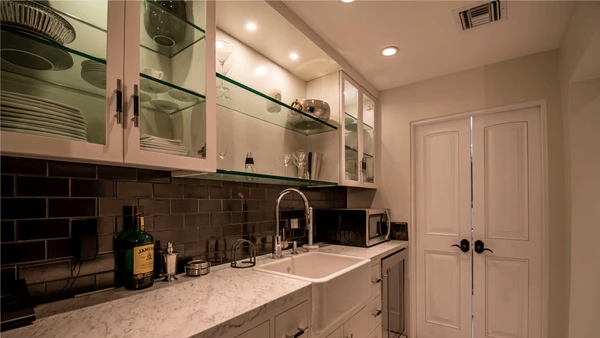
A kitchen renovation is one of the most impactful home improvement projects you can undertake. The kitchen is where meals are prepared, families gather, and daily routines begin, making its design and functionality especially important. A well-planned renovation improves efficiency, enhances comfort, and increases property value.
This guide explains the key elements of kitchen renovation, from layout planning and material selection to lighting and storage solutions, helping homeowners make informed renovation decisions.
Why Kitchen Renovation Matters
Over time, kitchens can become outdated, inefficient, or difficult to use. Renovation allows homeowners to adapt their space to modern living needs.
Common reasons for kitchen renovation include:
-
Improving workflow and layout efficiency
-
Upgrading outdated cabinets and appliances
-
Increasing storage capacity
-
Enhancing lighting and ventilation
-
Boosting home resale value
A thoughtful renovation balances style with everyday practicality.
Planning a Successful Kitchen Renovation
Planning is the foundation of a successful kitchen renovation. Clear goals help avoid unnecessary costs and delays.
Key planning steps:
-
Identify your renovation priorities
-
Set a realistic budget with contingency funds
-
Choose a layout that suits your cooking habits
-
Select durable materials for high-use areas
-
Plan timelines and prepare for temporary disruptions
Careful planning ensures a smoother renovation process and better results.
Choosing the Right Kitchen Layout
The layout determines how efficiently your kitchen functions.
Popular kitchen layouts include:
-
U-shaped kitchens for maximum counter space
-
L-shaped kitchens for open-concept homes
-
Galley kitchens for compact spaces
-
One-wall kitchens for modern apartments
The right layout improves movement and creates a comfortable cooking environment.
Smart Storage Solutions for Modern Kitchens
Storage plays a crucial role in kitchen renovation. Well-designed storage keeps the kitchen organized and clutter-free.
Effective storage options include:
-
Custom cabinetry with deep drawers
-
Pull-out pantry systems
-
Corner cabinet organizers
-
Vertical storage for baking trays
-
Open shelving for frequently used items
Smart storage solutions help maximize space without sacrificing aesthetics.
Materials and Finishes That Last
Selecting durable materials is essential for a long-lasting kitchen renovation.
Popular material choices include:
-
Quartz or granite countertops
-
Solid wood or plywood cabinetry
-
Ceramic or porcelain tile backsplashes
-
Engineered hardwood or tile flooring
Neutral tones combined with natural textures create a timeless kitchen design.
Lighting and Appliances in Kitchen Renovation
Lighting and appliances significantly affect functionality.
Recommended lighting layers:
-
Ambient ceiling lighting
-
Task lighting under cabinets
-
Accent lighting for design features
Appliance upgrades to consider:
-
Energy-efficient refrigerators
-
Built-in ovens and microwaves
-
Induction cooktops
-
Quiet dishwashers
Modern appliances improve efficiency while supporting sustainable living.
Kitchen Renovation and Home Value
A professionally renovated kitchen is a major selling point. Buyers often prioritize kitchens when evaluating homes, making renovation a smart long-term investment. Quality workmanship and thoughtful design help maintain value over time.
Conclusion
A successful kitchen renovation combines thoughtful planning, functional layout design, smart storage, and durable materials. Whether updating a compact kitchen or redesigning a larger space, the right renovation approach improves the daily living while enhancing overall home value. With informed decisions and careful execution, a renovated kitchen becomes a space that serves your household for years to come.