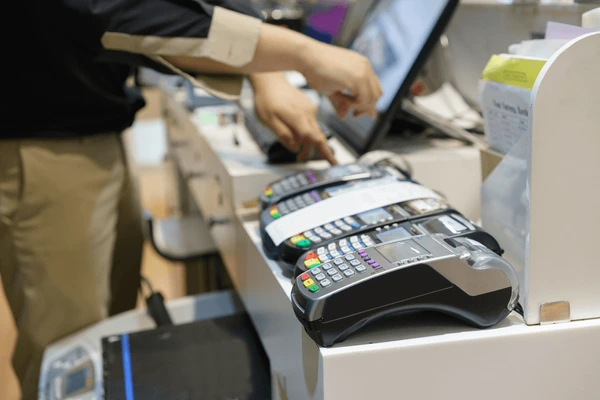
Card payments have become a normal part of everyday transactions. Whether customers are shopping in a store, paying for services, or checking out at a counter, a credit card terminal makes these payments possible. While the technology works quietly in the background, it plays a major role in keeping transactions fast, secure, and accurate.
This article breaks down what credit card terminals are, how they work, and why they remain essential for modern businesses.
What Is a Credit Card Terminal?
A credit card terminal is a payment device that allows businesses to accept credit and debit card payments. It captures payment information, securely transmits it for approval, and completes the transaction within seconds.
These terminals are commonly used by retail stores, restaurants, professional services, and mobile businesses that need reliable in-person payment acceptance.
How Credit Card Terminals Function
When a customer pays using a card, the credit card terminal follows a simple but secure process:
-
The card is tapped, inserted, or swiped
-
Payment data is encrypted instantly
-
The terminal sends the request for authorization
-
The bank approves or declines the transaction
-
The sale is completed and recorded
This entire process is designed to protect sensitive card information.
Different Types of Credit Card Terminals
Standalone Terminals
Operate independently and are ideal for simple checkout setups.
Wireless Credit Card Terminals
Allow businesses to accept payments without fixed connections.
Mobile Card Terminals
Designed for businesses that accept payments on the go.
POS-Connected Terminals
Integrate directly with point-of-sale systems for unified reporting.
Each option supports different business needs and environments.
Key Features Found in Modern Credit Card Terminals
Modern credit card terminals are built with functionality and security in mind. Common features include:
-
EMV chip and contactless payment support
-
Encrypted payment processing
-
Fast transaction approvals
-
Multiple connectivity options
-
Digital transaction records
These features help businesses operate more efficiently.
Advantages of Using a Credit Card Terminal
Convenience for Customers
Customers can pay using cards, mobile wallets, or contactless options.
Faster Checkout Experience
Quick processing reduces wait times.
Accurate Transaction Records
Electronic logs simplify accounting and reconciliation.
Improved Professional Image
Card acceptance builds trust and credibility.
Security Considerations for Credit Card Terminals
Security is a top priority when handling card payments. Reliable credit card terminals are designed to protect data through encryption, secure authentication, and compliance with industry standards. Proper usage and regular updates help reduce the risk of fraud or data breaches.
How to Select the Right Credit Card Terminal
Businesses should consider several factors when choosing a credit card terminal:
-
Daily transaction volume
-
Business location and mobility needs
-
Ease of use for staff
-
Integration with existing systems
-
Long-term scalability
Selecting the right terminal ensures smoother operations and better customer service.
Why Credit Card Terminals Still Matter
Even with the growth of online and mobile payments, credit card terminals remain essential for face-to-face transactions. They continue to evolve with new payment technologies while maintaining reliability, security, and speed—making them a long-term solution for businesses of all sizes.
Conclusion
A credit card terminal is a core component of modern payment acceptance. By understanding how these devices work and what features matter most, businesses can choose solutions that improve efficiency, protect customer data, and enhance the overall payment experience. With the right terminal in place, businesses are better equipped to meet customer expectations and support long-term growth.
Regic.net