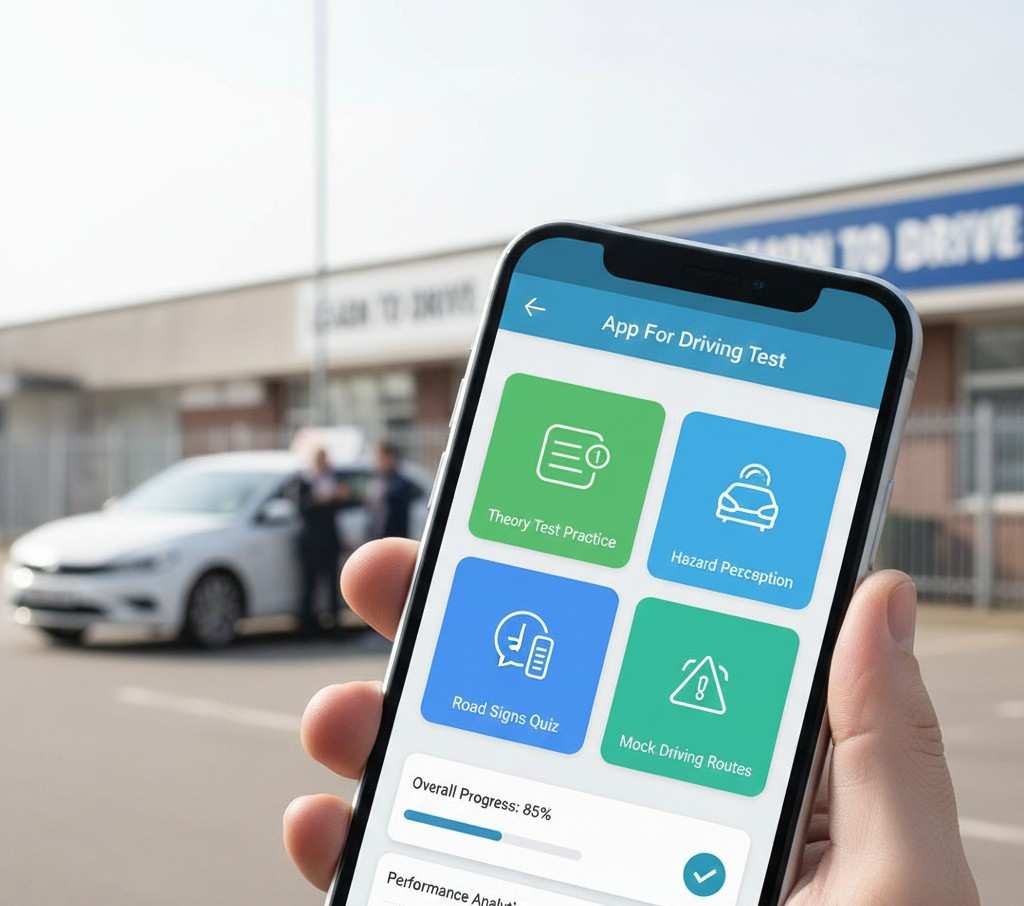
Many new learners feel swamped by the small number of road signs they must remember during their driving test preparation. With countless shapes, colours, and symbols to recognise, it can quickly become confusing. Understanding these signs, however, is crucial for passing both the theory and practical stages. This blog aims to guide learners through the process of mastering UK traffic signs in a simple, supportive way. It also explains how modern digital tools can make revision easier, more organised, and far less stressful.
Understanding the Importance of Traffic Signs in the Driving Test
Traffic signs are one of the most crucial elements of the Highway Code, as they guide drivers in making safe and timely decisions. During the Theory Test, many questions are centred around these signs, from basic meanings to more detailed scenarios. Recognising signs quickly matters not just in the test room, but also out on the road, where decisions must be made in seconds. This is where structured digital learning becomes useful, giving learners a steady way to build confidence and accuracy.

Common Categories of UK Traffic Signs Learners Must Master
Warning Signs
These signs alert drivers to possible hazards ahead. They usually appear as red triangles and help prepare the driver for bends, junctions, crossings, or road layout changes.
Regulatory Signs
These tell drivers what they must or must not do. Circular signs are common here, such as speed limits, no-entry signs, and mandatory direction signs.
Directional Signs
These help drivers follow correct routes. They come in different colours depending on the type of road, such as blue for motorways and green for primary routes. They may also show tourist attractions or landmarks.
Information Signs
These signs guide drivers with practical information like parking instructions, lane details, or available services.
To simplify these categories:
| Category | Purpose | Example |
| Warning | Alerts to hazards | Sharp bend |
| Regulatory | Rules to follow | Speed limit |
| Directional | Route guidance | Motorway exit |
| Information | Services/lane info | Parking sign |
Challenges UK Learners Face When Studying Traffic Signs
Multiple learners struggle with the sheer number of traffic signs and the small differences between some of them. Some signs look almost identical at first glance, leading to confusion during mock tests. Without a clear revision routine, the information becomes difficult to retain. Stress levels also rise when facing timed practice sessions or repeated attempts at theory mock exams. These issues make it harder for learners to maintain consistency and confidence during revision. This is precisely where a structured mobile tool can bring much-needed clarity and support.
How a Driving Test App Supports Better Learning
A dedicated driving test app provides category-wise organisation of traffic signs, helping learners revise in a clear and structured order. Many learners find that using an app for driving test revision supports stronger visual memory, as the images and sign layouts are easy to recognise. Short quizzes, flashcards, and mock tests keep the process engaging without adding pressure. Regular practice strengthens recall, especially for signs that look similar. Most importantly, learners can study at their own pace, turning what once felt stressful into a much more manageable routine.
Key Features Learners Should Look For in a Traffic Sign Revision App
A good traffic sign revision app should offer clean visuals, updated sign information, and interactive tools that make studying simple and stress-free. Look for features that support steady practice, track progress, and help you build confidence before the test.
- Clear visuals with an updated sign library
- Interactive quizzes for active recall
- Mock Theory Tests that include traffic-sign sections
- Audio support to help auditory learners
- Offline access for studying anywhere
- Time-based challenges to sharpen quick thinking
These features collectively help learners stay on track and study with confidence, making the driving test approach even more valuable.
How Learners Can Use an App to Master Traffic Signs
Learners can use an app to break down traffic signs into manageable categories and revise them step by step. With daily flashcards, quick quizzes, and timed mock tests, the process becomes smoother and far more effective.
- Start with categories: Begin with one category at a time—warning signs first, then regulatory, and so on. This reduces overwhelm and builds a clear foundation.
- Use flashcards daily: Visual flashcards encourage quick memory responses. Revising a few flashcards each day helps learners form instant recognition habits.
- Attempt quick quizzes: Short quizzes reinforce what was studied earlier and highlight areas that need more attention.
- Review mistakes regularly: The best progress happens when learners review their incorrect answers. A good app for driving test usually stores these attempts for easy review.
- Take weekly mock tests: Mock tests simulate the real exam environment. Doing one weekly helps measure improvement and strengthens timing skills.
- Practise under timed conditions: The theory test requires quick decision-making. Timed practice sessions help learners manage pressure and enhance accuracy.
Following this method builds confidence steadily and improves long-term memory of traffic signs.

Best Tips for Memorising UK Traffic Signs Efficiently
Memorising UK traffic signs becomes much easier when you focus on simple patterns like shapes and colours before diving into meanings. With consistent daily practice and smart revision habits, learners can recall signs quickly and confidently during both tests and real driving.
- Focus on shapes and colours first: Shapes and colours often reveal a sign’s purpose. For example, red circles usually show prohibitions, while blue circles often show mandatory instructions.
- Look for patterns: Many signs follow predictable formats. Spotting these patterns can make it easier to recall meanings quickly.
- Use simple memory tricks: Mnemonics help with signs that are hard to remember. For instance, associating a wavy line with slippery roads makes recall automatic.
- Combine digital study with real-life observation: While travelling as a passenger, paying attention to real signs helps connect theory with real road situations.
- Opt for short, consistent sessions: Studying for 10–15 minutes daily works far better than trying to memorise everything in one long session. Regular exposure strengthens retention naturally.
Conclusion
Mastering traffic signs plays a crucial role in safe driving and exam success. With steady practice and organised study habits, learners can approach both their theory and practical stages with greater confidence. Digital tools are especially useful for building these habits in a simple and manageable way. With the help of tools like the App for Driving Test, learners can feel more prepared and ready for the journey ahead. With patience and consistency, the goal of becoming a confident driver becomes much more achievable.