Public gatherings and shared-use facilities play an important role in the social and economic life of Smithfield, NC. From community festivals and private venues to multi-purpose buildings and temporary event spaces, Events & Other Facilities face unique operational and safety challenges that differ significantly from retail, residential, or office environments.
This article explores how events and non-traditional facilities in Smithfield approach safety, crowd management, access control, and risk planning—offering a deeper look into the systems and strategies that help keep people safe without disrupting the experience.
Why Events & Other Facilities Require Specialized Security Planning
Unlike permanent commercial buildings, events and flexible-use facilities often operate under changing conditions. Attendance levels fluctuate, layouts are temporary, and risk factors shift depending on the type of gathering.
In Smithfield, NC, these facilities may include:
- Outdoor community events
- Exhibition halls and civic centers
- Private event venues
- Fairgrounds and pop-up locations
- Multi-use recreational spaces
Each environment introduces variables that require adaptive security planning, not one-size-fits-all solutions.
Unique Risks Associated With Events & Other Facilities
Events and shared facilities experience a different risk profile than traditional properties. These risks include unpredictable crowd behavior, temporary infrastructure, and varied access points.
Common Risk Factors
| Risk Category | Description |
| Crowd Density | Increased risk of congestion and panic |
| Temporary Layouts | Limited familiarity with exits and pathways |
| Open Access | Difficulty controlling entry and exit points |
| Mixed Audiences | Families, children, and elderly attendees |
| Time Constraints | Rapid setup and breakdown phases |
In Smithfield, where many facilities are integrated into mixed-use areas, managing these risks requires localized knowledge of traffic flow, nearby businesses, and public access routes.
The Role of Access Control in Event-Based Facilities
Access control is one of the most critical components of safety in events & other facilities. Unlike permanent buildings with fixed systems, events often rely on temporary solutions.
Common Access Control Methods
| Method | Typical Use Case |
| Credential Checks | Private or ticketed events |
| Physical Barriers | Crowd flow direction |
| Staffed Entry Points | Manual verification |
| Zoned Access Areas | Backstage or restricted zones |
Effective access control helps reduce unauthorized entry while maintaining smooth movement for attendees.
Crowd Management Strategies in Smithfield, NC
Crowd management is not about restriction—it’s about predictability and flow. Events in Smithfield often attract both locals and visitors, increasing the importance of clear movement patterns.
Key principles include:
- Clearly marked entrances and exits
- Visible staffing for guidance and assistance
- Strategic placement of barriers
- Emergency pathway preservation
When these measures are thoughtfully implemented, facilities reduce confusion and improve overall attendee experience.
Emergency Preparedness for Non-Traditional Facilities
Events and multi-use facilities must be prepared for scenarios that permanent buildings may rarely encounter. Emergency planning focuses on response speed, communication, and evacuation clarity.
Common Emergency Scenarios
- Medical emergencies
- Weather-related disruptions
- Power or lighting failures
- Lost children or separated groups
- Crowd surges
Facilities in Smithfield benefit from localized emergency coordination due to proximity to municipal services and familiar response routes.
Comparing Security Needs: Events vs. Permanent Facilities
| Factor | Events & Other Facilities | Permanent Facilities |
| Duration | Temporary | Ongoing |
| Infrastructure | Mobile or temporary | Fixed |
| Crowd Size | Highly variable | Predictable |
| Access Points | Flexible | Limited |
| Security Planning | Dynamic | Standardized |
This comparison highlights why events & other facilities cannot rely solely on traditional building security approaches.
Technology Use in Event Facility Safety
While not every event requires advanced technology, many facilities integrate basic tools to improve situational awareness.
Examples include:
- Portable surveillance systems
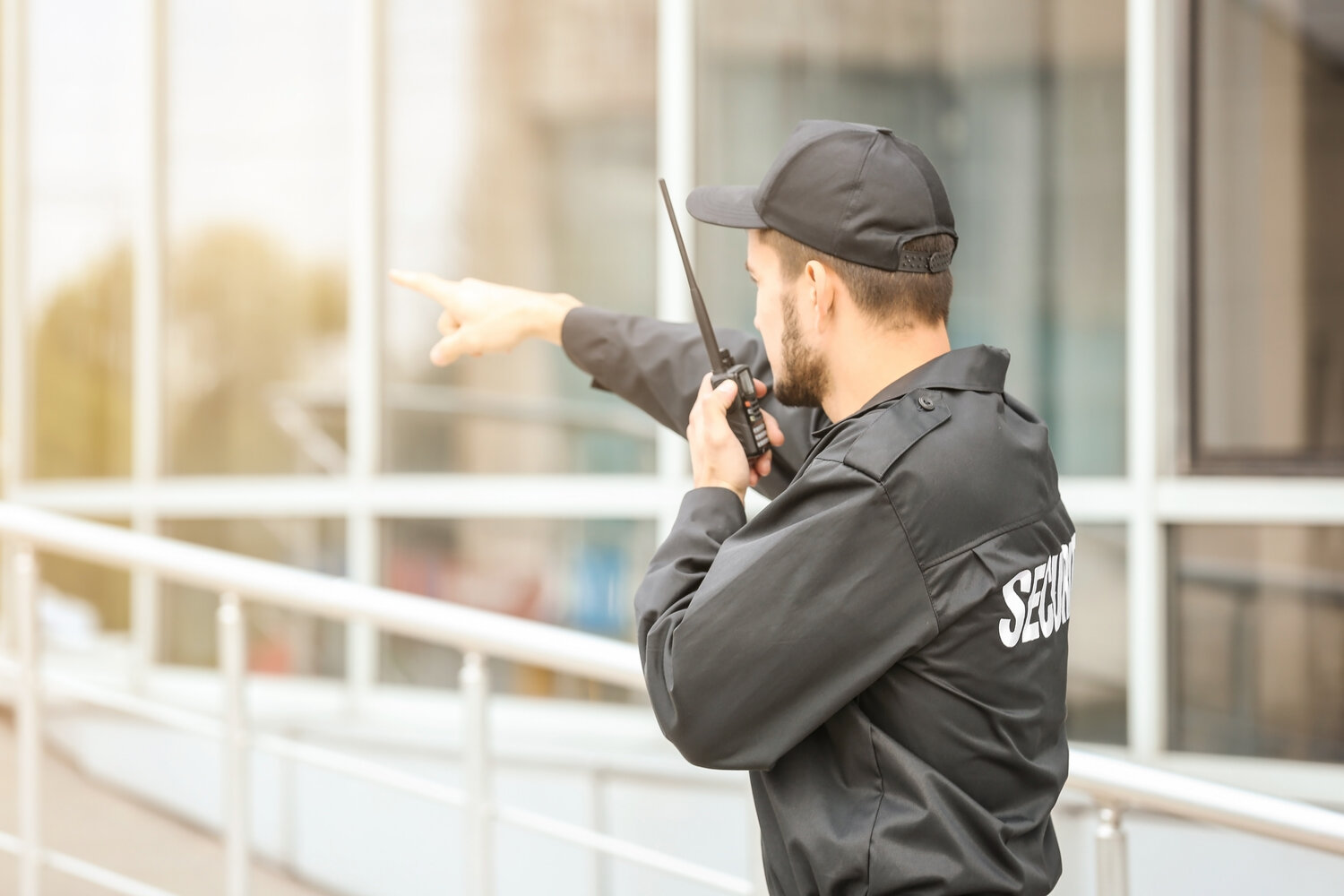
- Communication radios
- Temporary lighting solutions
- Digital credential scanning
These tools support staff coordination without overwhelming the environment or attendees.
Community Impact of Well-Managed Event Facilities
Well-managed facilities contribute positively to Smithfield’s local economy and social life. Safe environments encourage participation, tourism, and repeat attendance.
When events operate smoothly:
- Local businesses see increased foot traffic
- Community engagement grows
- Public confidence improves
This ripple effect reinforces the importance of thoughtful planning for events & other facilities.
Understanding Facility-Specific Regulations in Smithfield, NC
Smithfield-based events and facilities must align with local regulations related to occupancy limits, fire safety, and public access.
Considerations include:
- Local permitting requirements
- Coordination with emergency services
- ADA accessibility compliance
- Noise and crowd control ordinances
Facilities that understand local expectations are better positioned to operate safely and responsibly.
How Specialized Security Providers Fit Into the Process
Security providers with experience in varied environments understand the operational differences between retail, events, and flexible facilities. Guardiex applies knowledge gained across multiple sectors to support environments where adaptability is essential.
Long-Term Planning for Repeated or Seasonal Events
Facilities hosting recurring events benefit from post-event analysis. Reviewing what worked and what didn’t allows organizers to refine layouts, staffing levels, and safety procedures.
Key review areas include:
- Entry and exit flow
- Incident response timing
- Communication effectiveness
- Attendee feedback
This iterative approach strengthens future event operations in Smithfield.
Why Local Context Matters for Events & Other Facilities
Smithfield’s blend of historic areas, growing residential zones, and commercial development creates a unique environment for public gatherings. Understanding local traffic patterns, seasonal attendance changes, and community expectations is critical.
Facilities that account for these local factors are better prepared to balance safety with accessibility.
Frequently Asked Questions (FAQs)
- What types of locations are considered events & other facilities?
These include temporary event spaces, civic centers, fairgrounds, exhibition halls, and multi-use venues. - Why do events require different safety planning than retail stores?
Events have fluctuating attendance, temporary layouts, and diverse audiences, which create unique risks. - How does crowd management improve safety?
It reduces congestion, confusion, and panic by guiding predictable movement. - Are access control systems permanent at events?
Most are temporary or mobile, designed to adapt to changing layouts. - What emergencies are most common at public events?
Medical issues, weather disruptions, and lost persons are among the most frequent. - How does Smithfield’s location affect event planning?
Local traffic patterns, community density, and emergency response access influence planning. - Can technology replace on-site staff at events?
No. Technology supports staff but cannot replace human judgment and response. - How often should event safety plans be reviewed?
After every event, especially recurring or seasonal ones. - What role do local regulations play in facility safety?
They guide occupancy limits, emergency access, and operational standards. - Why is adaptability important for event facilities?
Because conditions change rapidly, requiring flexible responses to maintain safety.
Final Thoughts
Events & other facilities in Smithfield, NC represent dynamic environments where safety, planning, and community engagement intersect. Understanding their unique challenges—from access control to crowd management—helps ensure these spaces remain welcoming, functional, and secure for everyone involved.