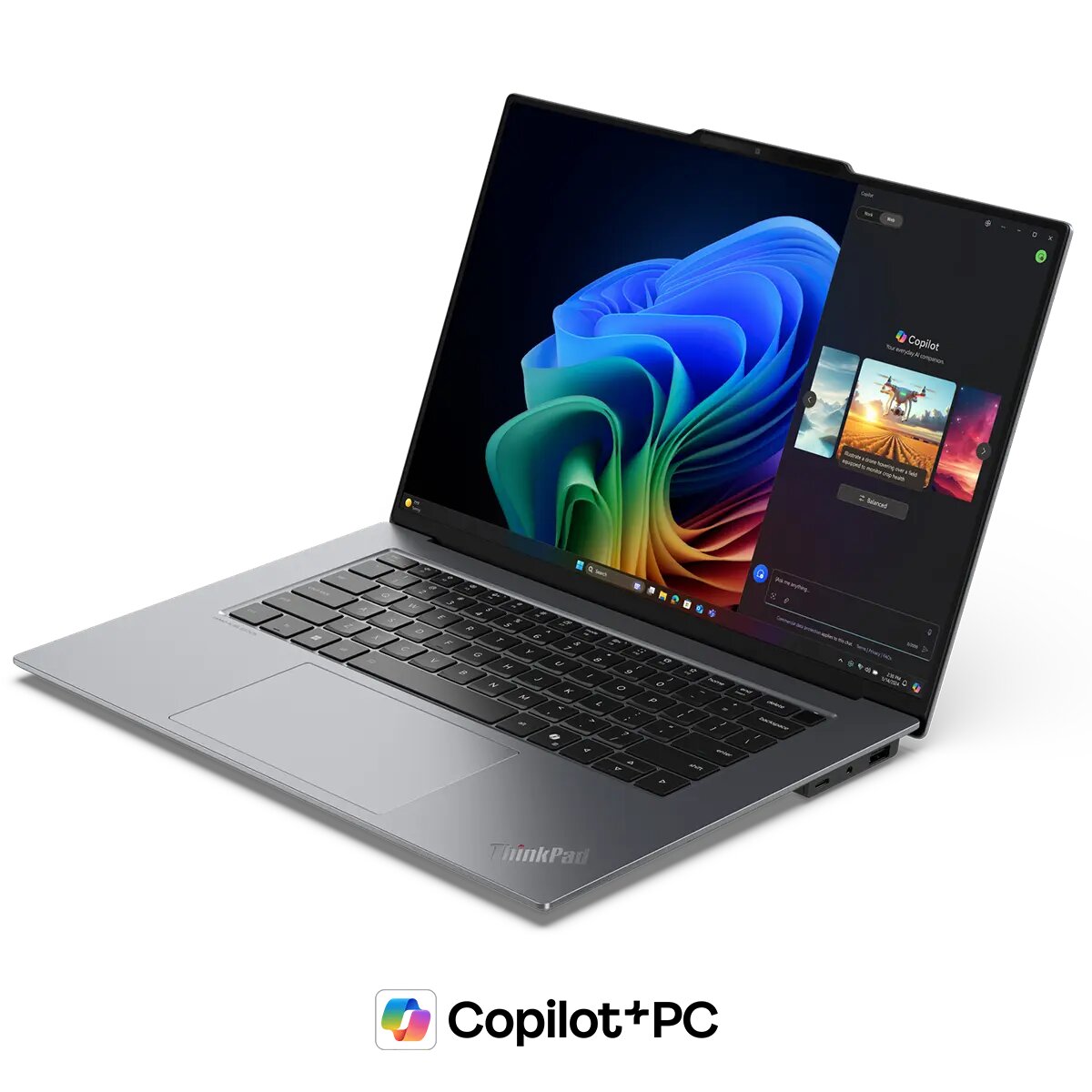
Creative professionals work under constant pressure to deliver high quality results within tight timelines. Designers refine visuals for campaigns while video editors handle large media files and architects build detailed models that demand accuracy at every step.
As projects grow more complex, teams need systems that respond quickly and adapt to changing workloads. This is where AI-powered PCs play an important role. They combine intelligent processing with strong performance so creative teams can move from idea to output without delay.
Instead of focusing only on hardware numbers these systems support how people actually work during long creative sessions. As a result professionals gain more control over their tools and spend more time shaping ideas.
1. Intelligent Performance That Adapts to Your Work
High intensity creative work rarely follows a steady pattern. At one moment you may edit high resolution video and at another moment you may switch to animation or sound design. Because of this shifting demand traditional systems often struggle to keep up.
However, AI-powered PCs adjust performance in real time based on the task you run. They recognize when software needs more processing power and then allocate resources without delay.
As a result applications open faster timelines respond smoothly and rendering completes more quickly. This dynamic adjustment allows creators to stay focused instead of waiting for systems to catch up.
Moreover intelligent processing helps manage background tasks quietly. While you export files or run simulations the system balances power across applications so your main project stays responsive. Therefore you maintain momentum even during heavy workloads.
2. Accelerated Rendering and Real Time Previews
Rendering often consumes a large portion of creative time. Whether you work on 3D modeling visual effects or advanced graphic design you depend on fast previews to refine your ideas. Slow rendering interrupts your flow and reduces creative energy. On the other hand, AI-powered PCs improve this process by using built in intelligence to speed up demanding tasks.
They analyze workloads and optimize rendering paths so the system completes tasks faster. As a result you see changes in near real time and adjust lighting textures or transitions without long pauses. This smooth feedback loop allows you to experiment more freely and test different versions with confidence.
In addition, efficient rendering reduces the stress that often builds during final delivery stages. Instead of rushing through last minute edits you maintain control and deliver polished results on schedule. This steady pace strengthens both creative quality and team trust.
3. Smarter Multitasking Across Creative Tools
Creative professionals rarely use one application at a time. A typical workflow may involve design software editing platforms, communication tools and cloud storage running together. Without strong system support this multitasking can slow performance and break concentration. However AI- powered PCs manage multiple applications with greater efficiency.
How Intelligent Multitasking Supports Creative Flow
- They distribute processing power based on which application needs attention
- They reduce lag when switching between heavy programs
- They maintain smooth playback while background exports continue
- They keep system temperature stable during long sessions
Because of these capabilities you move between tasks without friction. For example you can edit a video while referencing design assets and attending a virtual meeting. Instead of closing programs to preserve speed you continue working naturally.
By supporting seamless transitions between tasks these systems protect your creative rhythm and help you stay immersed in the project.
4. AI Enhanced Automation for Repetitive Tasks
Creative work involves both artistic thinking and routine adjustments. You may spend hours organizing files, correcting colors, tagging media or resizing assets for different platforms. Although these steps matter they often consume energy that could go toward innovation. Fortunately, AI-powered PCs help automate many of these repetitive tasks.
They use built in intelligence to recognize patterns and assist with actions such as:
- Auto tagging images and media files
- Smart color correction suggestions
- Noise reduction in audio tracks
- Background removal in visual content
- Format optimization for various outputs
Because automation handles these details you spend more time refining concepts and less time performing manual corrections. At the same time you maintain control because the system supports rather than replaces your creative decisions.
As creative teams scale their workload automation becomes a powerful ally. It reduces manual strain and allows professionals to focus on storytelling design thinking and strategic direction.
5. Stable Long Session Performance for Intensive Projects
High intensity creative work often requires extended sessions. Editors may spend hours refining timelines while architects adjust complex 3D environments. During these long periods system stability becomes critical. Even small slowdowns can disrupt concentration and reduce productivity. For this reason AI-powered PCs focus strongly on sustained performance.
They monitor temperature power consumption and workload distribution continuously. As a result the system prevents overheating and maintains steady speed even under pressure. This intelligent management supports consistent output during demanding tasks.
In addition, stable performance protects file integrity. When systems remain responsive you reduce the risk of sudden shutdowns that may damage project files. This protection offers peace of mind especially when working on large scale commercial projects.
Furthermore, sustained reliability supports creative confidence. When you trust your tools you experiment more freely and push boundaries without fear of technical limits. Over time this confidence translates into stronger creative outcomes and better client satisfaction.
Conclusion
Creative work demands focus, resilience and a strong connection between vision and execution. When technology supports that connection workflows become smoother and more rewarding. Through intelligent performance accelerated rendering, smarter multitasking automation and long session stability, AI-powered PCs create an environment where ideas move forward without friction.
As projects grow more complex, creative teams need systems that understand how work truly unfolds across the day. Instead of interrupting the process these intelligent devices enhance it quietly and consistently. They reduce waiting time, protect progress and allow professionals to invest their full attention in shaping meaningful outcomes.
Ultimately the value of ai powered pcs lies not only in speed but also in how they support human creativity. When tools align with intention, creative energy flows naturally and results reflect both skill and confidence.