Choosing the right pipe insulation can save you money, protect your building, and prevent big problems later. In Alberta’s cold climate, the wrong choice can lead to frozen pipes, leaks, and costly repairs. This guide gives you the main points right away and then walks you through each step with clear, simple advice. By the end, you’ll know what to buy, why it matters, and how to make a smart choice that lasts.
Why Pipe Insulation Matters So Much in Alberta
Cold weather is tough on pipes, and Alberta winters are no joke. When pipes lose heat, water can freeze and expand, causing cracks or bursts. Choosing the right pipe insulation Alberta properties rely on helps slow heat loss and keeps water flowing safely.
It also reduces energy use, which means lower bills and a warmer building. A small choice now can prevent a big headache later.
Start With Your Pipe’s Location
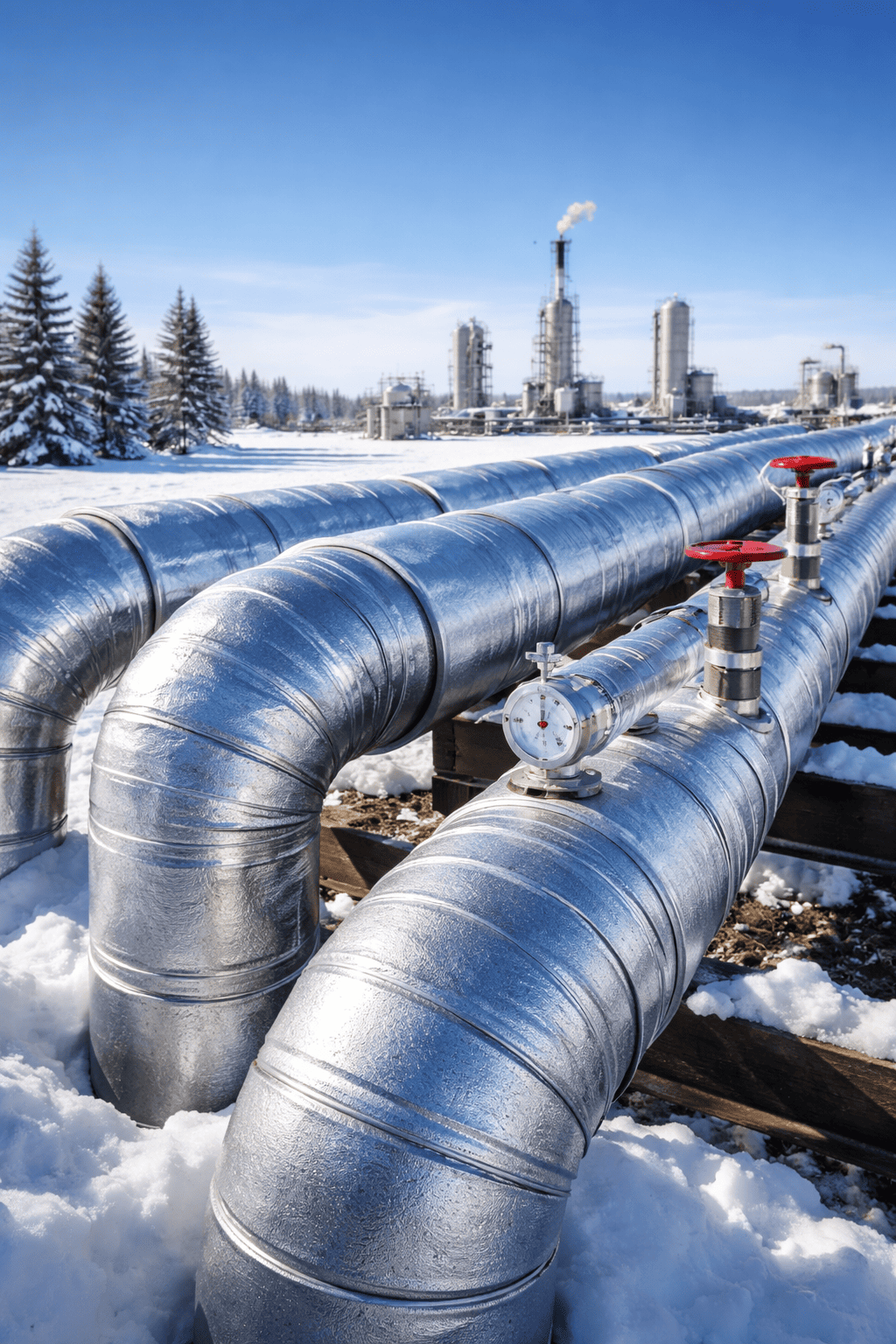
The first thing to think about is where your pipes are. Pipes inside heated spaces need less protection than pipes in basements, crawl spaces, garages, or outdoors. Outdoor and unheated areas face the most risk and need stronger insulation. Knowing the location helps you pick the right thickness and type without overdoing it.
Understand the Climate Challenge
Alberta has long, cold winters and fast temperature swings. Insulation must handle deep cold and stay stable over time. Some materials shrink or crack in extreme cold, which reduces protection. Choosing a material made for harsh climates keeps performance steady when temperatures drop fast.
Learn the Common Insulation Types
There are a few main options, and each has a purpose. Foam insulation is light, easy to install, and great for many indoor uses. Fiberglass insulation works well in colder areas and handles higher heat. Rubber insulation resists moisture and lasts a long time. Knowing these basics helps you match the product to your needs.
Pick the Right Thickness
Thickness matters more than many people think. Thin insulation may look fine but won’t stop heat loss in very cold areas. Thicker insulation provides better protection but must fit the space around the pipe. Always balance protection with proper fit to avoid gaps that let cold air in.
Think About Moisture Control
Moisture can reduce insulation power and cause mold. In cold areas, warm air can meet cold pipes and create condensation. Insulation with a vapor barrier helps stop this problem. Dry pipes last longer and perform better, so moisture control is a smart move.
Check Fire and Safety Ratings
Safety should never be an afterthought. Some insulation materials are more fire-resistant than others. Always check local building codes and safety ratings before you buy. Choosing a safe product protects people and property and avoids issues during inspections.
Match Insulation to Pipe Type
Different pipes need different care. Metal pipes lose heat faster than plastic ones and may need thicker insulation. Hot water pipes need materials that handle heat without breaking down. Matching insulation to the pipe type ensures steady performance and longer life.
Consider Energy Savings
Good insulation is an investment that pays you back. By keeping water warm, your system uses less energy. Over time, lower energy use means lower bills. Even small improvements can add up across a whole building.
Look at Installation Ease
Some insulation is easy to install, while other types need skilled hands. Pre-slit foam is quick and simple for straight runs. More complex systems may need professional tools and experience. Choosing the right level of difficulty saves time and avoids mistakes.
Don’t Forget Maintenance
Insulation should be checked from time to time. Look for cracks, gaps, or wet spots. Fixing small issues early keeps the system working well. Materials that are easy to inspect and repair can save effort in the long run.
Think Long-Term Durability
Cheap insulation may fail sooner, leading to more costs later. Durable materials resist wear, moisture, and temperature changes. Spending a bit more upfront often means fewer problems and better performance over many years.
Know When to Get Expert Help
If your building has complex piping or harsh exposure, expert advice helps. Professionals understand local conditions and code rules. They can guide choices for tough areas and ensure proper installation. This is especially helpful for large or commercial systems.
A Smart Choice for Local Needs
For anyone planning work related to pipe insulation Alberta, local experience matters. Products and methods that work elsewhere may not hold up in this climate. Choosing solutions proven in cold regions brings peace of mind and reliable results.
Budget Without Cutting Corners
It’s okay to set a budget, but don’t cut corners on quality. Focus on the areas with the highest risk first, like outdoor lines. A balanced plan protects the most important parts while keeping costs under control.
Installation Timing Matters
Installing insulation before winter hits is ideal. Cold weather makes work harder and risks higher. Planning ahead gives you time to choose well and install safely. Early action prevents emergency fixes later.
Small Details Make a Big Difference
Sealing joints, covering valves, and avoiding gaps are small steps with big impact. Even the best insulation fails if air can sneak in. Paying attention to details ensures full protection from end to end.
Choosing a Trusted Provider
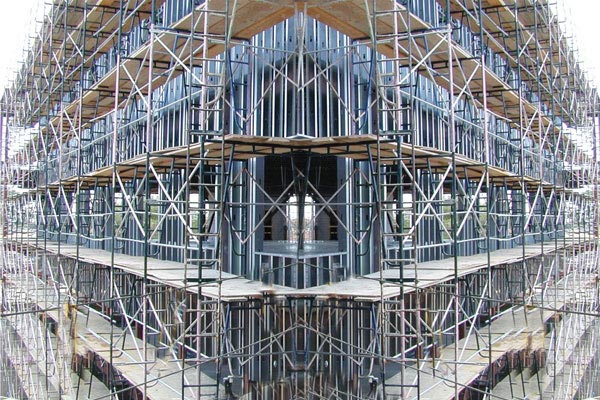
Working with a company that understands insulation and scaffolding needs adds value. G & R Insulating and Scaffolding focuses on safe access and proper installation, which matters for hard-to-reach pipes. Reliable service supports long-term results.
Final Thoughts: Make the Right Call
Choosing pipe insulation is about protection, savings, and peace of mind. Focus on location, material, thickness, and safety. Avoid shortcuts and think long-term. With the right choice, your pipes stay safe through Alberta’s toughest winters.
Questions
How do I know if my pipes need thicker insulation?
If pipes are in unheated or outdoor areas, thicker insulation is safer. Cold exposure and past freezing issues are clear signs you need more protection.
Can insulation really lower energy bills?
Yes. Insulated pipes lose less heat, so your system works less. Over time, this reduces energy use and saves money.
Should I replace old insulation or add to it?
If old insulation is damaged or wet, replace it. Adding new insulation over poor material won’t fix the problem.