A septic inspection does not have to feel scary or confusing. With the right steps, it can be smooth, quick, and stress-free. This guide explains how to prepare for a septic inspection in Peterborough, what inspectors look for, and how simple preparation can prevent delays or problems. By following these steps, homeowners can protect their property, avoid surprises, and feel confident when inspection day arrives.
Septic systems work quietly underground, so problems are easy to miss. An inspection is your chance to spot small issues before they turn into big repairs. Preparation helps the inspector do a better job and helps you get clear answers.
Why Septic Inspections Matter
A septic inspection checks the health of your system. It looks at how waste flows, how parts function, and whether anything could fail soon. This keeps your home safe and your yard clean.
Inspections are often required during home sales, but they are also smart for regular care. Knowing the system’s condition gives peace of mind.
When Septic Inspections Are Commonly Needed
Most inspections happen before buying or selling a home. They are also needed when adding bedrooms or making major changes to water use.
Even without these events, regular inspections help catch problems early. Early action saves time, money, and stress.
Understanding What Inspectors Look For
Inspectors focus on function and safety. They check the tank, pipes, and drainfield area. They look for leaks, blockages, and signs of overload.
Knowing this helps homeowners prepare the right way instead of guessing.
Find Your Septic System First
Many homeowners do not know where their septic system is located. Finding the tank and drainfield before inspection saves time.
Old records, property plans, or simple visual clues can help. Clear access allows the inspector to work efficiently.
Clear Access to the Tank Lid
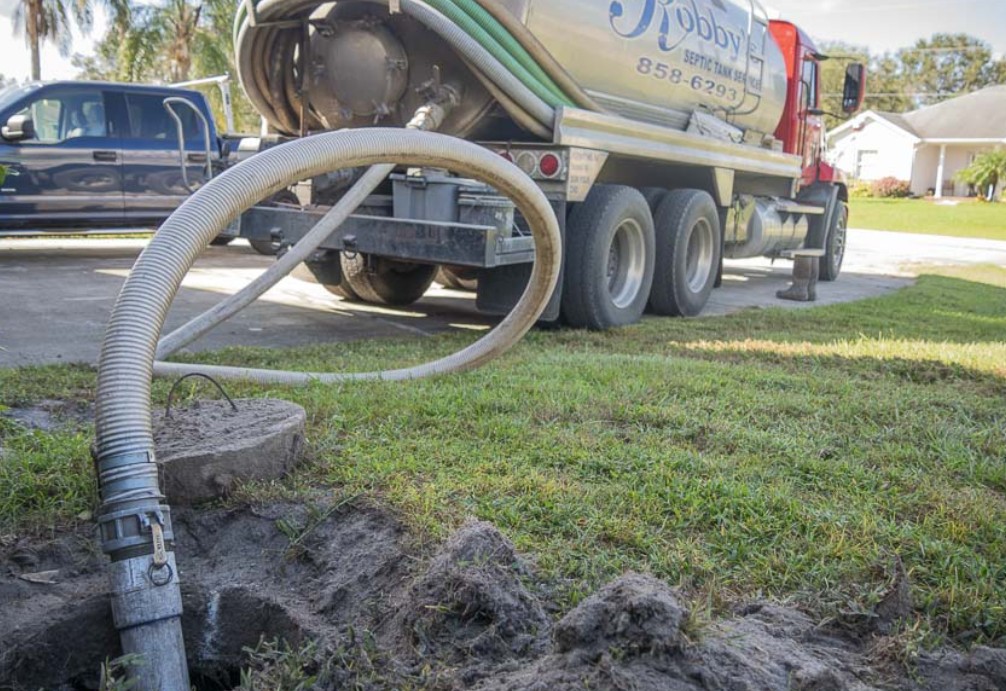
Inspectors need easy access to the septic tank lid. If it is buried, uncover it carefully before inspection day.
This step alone can save hours and prevent delays. It also shows the inspector that the system has been cared for.
Keep the Area Clean and Open
Remove debris, toys, or garden items from around the tank and drainfield. Clear paths help inspectors move safely.
A clean area also prevents damage to landscaping during the inspection.
Reduce Water Use Before the Inspection
Heavy water use before an inspection can hide or worsen problems. Avoid laundry, long showers, or running dishwashers the day before.
Normal use is fine, but giving the system a break helps inspectors see how it truly performs.
Do Not Pump the Tank Right Before
Pumping the tank just before an inspection may seem helpful, but it can hide issues. Inspectors need to see real conditions.
If pumping is needed, ask the inspector when the best time is.
Gather Past Records if Available
Past inspection or pumping records provide useful history. They show how the system has been maintained.
If records are missing, do not worry. Inspections can still move forward smoothly.
Know Your System Type
Some homes have standard septic systems. Others use advanced designs. Knowing which type you have helps you understand inspection results.
If you are unsure, the inspector can explain it in simple terms.
Be Ready to Ask Questions
An inspection is also a learning chance. Ask how your system works and what signs to watch for.
Clear answers help you take better care of your septic system long after the inspection.
Weather Can Affect Inspections
Heavy rain or frozen ground can change inspection timing. Wet soil may hide problems or make access unsafe.
If the weather is poor, inspectors may suggest rescheduling for better results.
Common Issues Found During Inspections
Small cracks, clogged filters, or early drainfield stress are common findings. These issues are often easy to fix if caught early.
Finding them now is better than dealing with a full system failure later.
What Happens After the Inspection
After the inspection, you receive a report. This explains the system condition and any recommended steps.
Some systems pass easily. Others may need minor repairs or monitoring.
How Preparation Helps Inspection Results
Good preparation does not change the system’s condition, but it helps inspectors see the truth. Clear access and normal use give accurate results.
Accurate results lead to better decisions.
Inspections Protect Buyers and Sellers
For sellers, inspections prevent last-minute surprises. For buyers, they confirm that the system is safe and working.
Preparation benefits everyone involved.
Local Knowledge Makes a Difference
Soil type, water levels, and weather matter during inspections. Local experience helps inspectors read signs correctly.
That’s why Septic Inspections Peterborough require understanding of local conditions, not just general knowledge.
Simple Habits That Support Inspection Success
Regular pumping, mindful water use, and keeping heavy vehicles off the drainfield all help.
These habits make inspections easier and results better.
Avoid Common Mistakes Before Inspection Day
Do not hide problems or rush fixes. Do not ignore smells or wet spots.
Honesty and preparation lead to the best outcome.
Preparing Emotionally Matters Too
Many homeowners worry about inspection results. Remember, inspections are tools, not judgments.
Their goal is to protect your home, not to cause trouble.
What a Pass Really Means
A pass means the system works as expected at the time of inspection. It does not mean the system will last forever.
Ongoing care keeps it healthy.
What to Do if Issues Are Found
If problems appear, don’t panic. Many fixes are simple and affordable when caught early.
Inspectors often suggest clear next steps.
Planning Ahead Saves Money
Prepared inspections reduce delays and repeat visits. This saves time and cost.
Preparation is one of the easiest ways to protect your investment.
Why Education Is the Real Win
Understanding your septic system helps you make better choices every day.
Prepared homeowners avoid emergencies and extend system life.
Final Thoughts for Peterborough Homeowners
Preparing for a septic inspection is about clarity, not fear. Clear access, light water use, and basic knowledge go a long way.
A calm, prepared approach leads to better results and peace of mind.
Homeowners looking for dependable septic guidance and inspection support can learn more through Clancy’s Septic Services, which assists Peterborough residents with clear advice and responsible septic care.
FAQs
Q: How long does a septic inspection usually take?
A: Most inspections take one to three hours, depending on system type and access.
Q: Should I be home during the inspection?
A: It helps, but it is not always required. Being available allows you to ask questions.
Q: Can an inspection damage my yard?
A: Minimal disturbance may happen, but professionals aim to protect landscaping.
Q: How often should septic inspections be done?
A: Every few years is a good rule, or sooner if problems appear.
Q: What is the biggest mistake homeowners make before inspections?
A: Using too much water or hiding access points causes the most trouble.