The construction industry is constantly evolving, driven by the demand for faster project completion, cost efficiency, and sustainable building practices. Among the many innovations shaping modern construction, lightweight cement wall panels have emerged as a highly effective alternative to traditional brick and block masonry. These panels offer a perfect balance of strength, durability, and ease of installation, making them an ideal choice for residential, commercial, and industrial projects.
What Are Light Weight Cement Wall Panels?
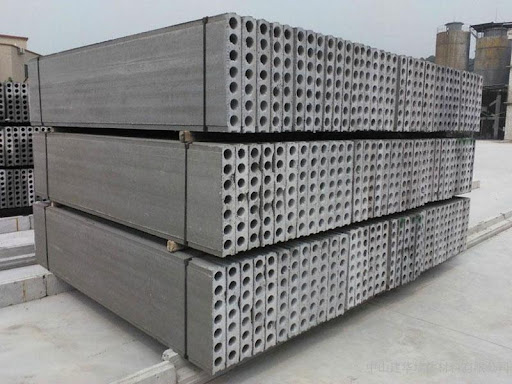
Lightweight cement wall panels are prefabricated wall components manufactured using cement, lightweight aggregates, and reinforcing materials such as fiber mesh or steel. Unlike conventional concrete walls, these panels are designed to reduce dead load while maintaining excellent structural performance. They are produced in controlled factory environments, ensuring uniform quality, precise dimensions, and consistent strength.
These panels are available in various thicknesses and sizes, making them adaptable for internal partitions, external walls, boundary walls, and even load-bearing applications in some cases.
Key Advantages of Lightweight Cement Wall Panels
1. Reduced Structural Load
One of the most significant benefits of lightweight cement wall panels is their low density. Compared to traditional brickwork, these panels substantially reduce the overall load on the building structure. This makes them especially suitable for high-rise buildings, renovation projects, and areas with soil bearing limitations.
2. Faster Construction and Installation
Speed is a major factor in today’s construction landscape. Lightweight cement wall panels are quick and easy to install, often reducing construction time by up to 50%. Since the panels are prefabricated, on-site labor requirements are minimal, and projects can move forward without delays caused by curing or extensive masonry work.
3. Cost Efficiency
Although the initial material cost may appear higher than conventional bricks, the overall project cost is often lower. Savings come from reduced labor, faster project completion, lower foundation costs due to reduced load, and minimal material wastage. Over time, lightweight cement wall panels prove to be a cost-effective solution.
4. Superior Thermal and Acoustic Insulation
Modern buildings demand better energy efficiency and comfort. Lightweight cement wall panels provide excellent thermal insulation, helping maintain indoor temperatures and reducing energy consumption for heating and cooling. Additionally, their dense yet lightweight structure offers effective sound insulation, making them ideal for apartments, offices, hotels, and hospitals.
5. Fire and Moisture Resistance
Safety is a critical consideration in construction. These panels are non-combustible and offer high fire resistance, helping slow the spread of flames in case of fire. They are also resistant to moisture, mold, and termites, making them suitable for humid environments and long-term use.
Applications Across Construction Sectors
Lightweight cement wall panels are extremely versatile and can be used in a wide range of applications:
-
Residential buildings for internal partitions and external walls
-
Commercial spaces such as offices, malls, and showrooms
-
Industrial facilities,including warehouses and factories
-
Institutional buildings like schools, hospitals, and hotels
-
Renovation and retrofitting projects where load reduction is crucial
Their adaptability makes them a preferred choice for both new construction and refurbishment projects.
Sustainability and Environmental Benefits
Sustainable construction is no longer optional—it is a necessity. Lightweight cement wall panels contribute to green building practices in several ways. Their manufacturing process uses fewer raw materials compared to traditional masonry, and the reduced weight lowers transportation-related carbon emissions.
Additionally, their excellent insulation properties help reduce energy consumption over the building’s lifecycle. Many manufacturers also incorporate industrial by-products into the production process, further reducing environmental impact.
Quality Control and Precision Manufacturing
Unlike on-site masonry work, which can vary in quality depending on labor skills and environmental conditions, lightweight cement wall panels are produced in factories under strict quality control measures. This ensures consistent strength, accurate dimensions, and smooth finishes, reducing the need for extensive plastering or rework on-site.
The precision manufacturing also allows for better integration with electrical conduits, plumbing lines, and finishing systems, streamlining the overall construction workflow.
Comparison with Traditional Brick Walls
When compared to conventional brick or block walls, lightweight cement wall panels clearly stand out. Brickwork is labor-intensive, time-consuming, and adds significant weight to the structure. In contrast, these panels offer faster installation, cleaner construction sites, and improved performance in terms of insulation and durability.
Moreover, the smooth surface finish of lightweight cement wall panels reduces plaster thickness and finishing costs, further enhancing their economic appeal.
The Future of Wall Construction
As urbanization continues and construction timelines become tighter, the demand for efficient building materials will only grow. Lightweight cement wall panels align perfectly with modern construction requirements by offering speed, strength, sustainability, and cost savings in one solution.
Architects, builders, and developers are increasingly adopting these panels to meet project deadlines without compromising on quality or safety. With ongoing advancements in material technology, their performance and application range are expected to expand even further.
Conclusion
Lightweight cement wall panels represent a smart and forward-thinking approach to wall construction. Their ability to reduce structural load, accelerate construction, improve insulation, and support sustainable building practices makes them a valuable alternative to traditional masonry. Whether for residential, commercial, or industrial projects, these panels provide a reliable, efficient, and future-ready solution for modern construction needs.