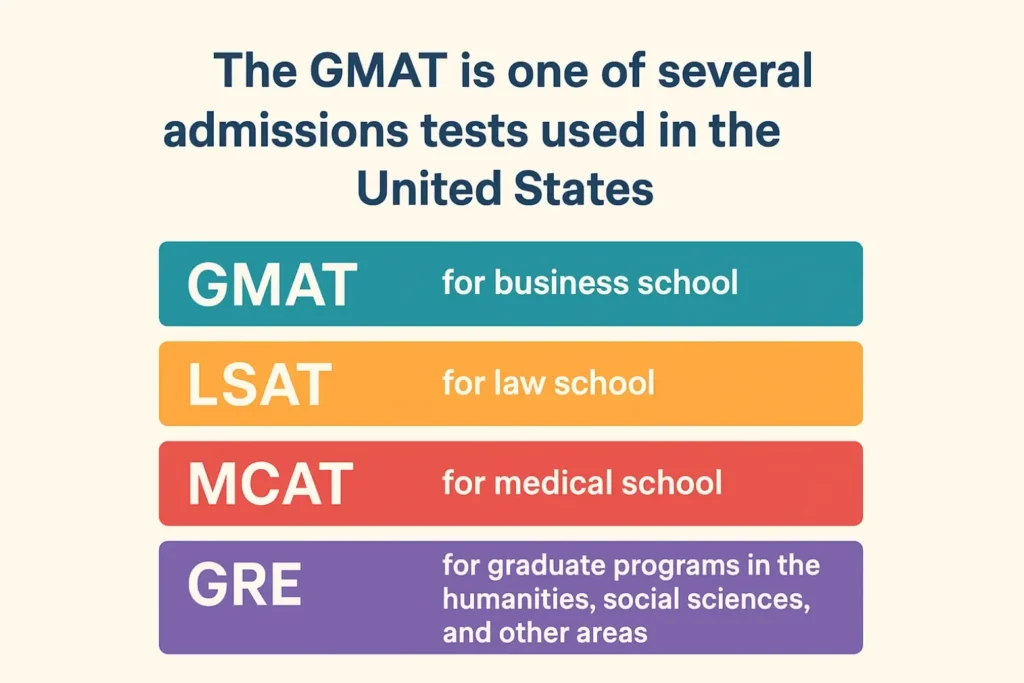
Preparing for the GMAT can feel like a monumental task, but the right strategy can turn the challenge into an opportunity. Whether your goal is admission to a top business school or improving your career prospects, knowing how to effectively study for GMAT is key. With proper planning, the right resources, and consistent practice, you can approach the exam with confidence and clarity.
Understanding the GMAT Structure
Before diving into preparation, it is crucial to understand the structure of the GMAT exam. The GMAT consists of four main sections:
- Analytical Writing Assessment (AWA) – This section evaluates your ability to think critically and communicate ideas clearly. You will be asked to analyze an argument and provide a coherent critique.
- Integrated Reasoning (IR) – Here, your ability to interpret data from various sources is tested. Questions often involve graphics, tables, and multi-source reasoning.
- Quantitative Section – This section assesses your mathematical skills, problem-solving abilities, and understanding of data sufficiency. Topics include algebra, arithmetic, geometry, and word problems.
- Verbal Section – This portion tests reading comprehension, critical reasoning, and sentence correction. It measures your ability to analyze written material and understand logical arguments.
Creating a Study Plan
The foundation of successful GMAT preparation is a structured study plan. Here’s how you can create one:
- Set a Target Score – Determine the score you need to achieve your desired business school admission. This target helps focus your efforts and measure progress.
- Assess Your Strengths and Weaknesses – Take a diagnostic test to identify areas where you excel and those that require more attention.
- Allocate Study Time – Dedicate a specific number of hours each day or week. Consistency is more important than cramming.
- Break It Into Sections – Focus on one section at a time to build mastery. For instance, dedicate specific weeks to Quantitative practice, then shift to Verbal, and so on.
- Include Practice Tests – Regularly take full-length practice exams to monitor your progress and build endurance for the actual test.
A disciplined study plan transforms a daunting task into manageable milestones.
Choosing the Right Resources
Selecting appropriate study materials is essential. Not all resources are created equal, so consider these options:
- Official GMAT Guides – These contain real exam questions and detailed explanations.
- Online Prep Platforms – Tools like Magoosh, Target Test Prep, or Manhattan Prep offer structured lessons, practice questions, and progress tracking.
- Video Lessons – For visual learners, video tutorials provide a clear explanation of complex concepts and problem-solving techniques.
- Study Apps – Mobile apps can be used for quick practice sessions, especially when commuting or during short breaks.
The right resources ensure that your study sessions are productive, efficient, and targeted toward your goals.
Time Management Strategies
Time management is critical during GMAT preparation and on exam day. Here are some tips:
- Prioritize High-Impact Areas – Spend more time on sections that carry more weight or where your skills are weaker.
- Use Timed Practice – Practice each section with strict timing to build speed and accuracy.
- Set Mini-Deadlines – Divide your preparation into weekly or monthly targets to stay on track.
- Take Breaks – Avoid burnout by scheduling short breaks during study sessions.
Effective time management ensures you maximize your preparation and perform efficiently during the exam.
The Importance of Mock Tests
Mock tests are more than just practice, they are performance indicators. Taking multiple full-length practice tests helps you:
- Understand pacing and timing
- Identify weak areas that need more focus
- Build exam-day confidence
- Reduce anxiety by familiarizing yourself with the format
Treat each mock test seriously and review each answer carefully. The insights gained here can drastically improve your final performance.
Balancing Study with Life
Many aspirants struggle to balance GMAT preparation with work, family, or other commitments. To maintain balance:
- Stick to a consistent daily routine
- Include short relaxation exercises like meditation or light exercise
- Avoid distractions during focused study periods
- Reward yourself after achieving milestones
A balanced approach ensures you remain motivated and mentally fresh throughout your preparation journey.
Expert Tips for GMAT Success
Here are some additional tips from GMAT experts:
- Focus on Weak Areas Early – Don’t leave challenging topics for the last minute.
- Practice Mental Math – Reducing reliance on a calculator speeds up your quantitative performance.
- Improve Reading Skills – Strong reading comprehension is essential for success in the Verbal section.
- Review Regularly – Reinforce what you learn consistently, rather than cramming at the end.
- Stay Positive – Confidence and a positive mindset have a significant influence on test performance.
Following expert advice combined with disciplined preparation ensures the best possible results.
Conclusion
Successfully preparing for the GMAT requires a combination of strategy, consistency, and the right resources. Whether you are starting from scratch or trying to improve your score, a structured plan, regular practice, and smart study techniques make all the difference. By learning how to effectively study for GMAT, you can approach the exam with confidence and achieve the score that opens doors to your dream business school. Consistency, focus, and perseverance are your greatest allies in this journey.