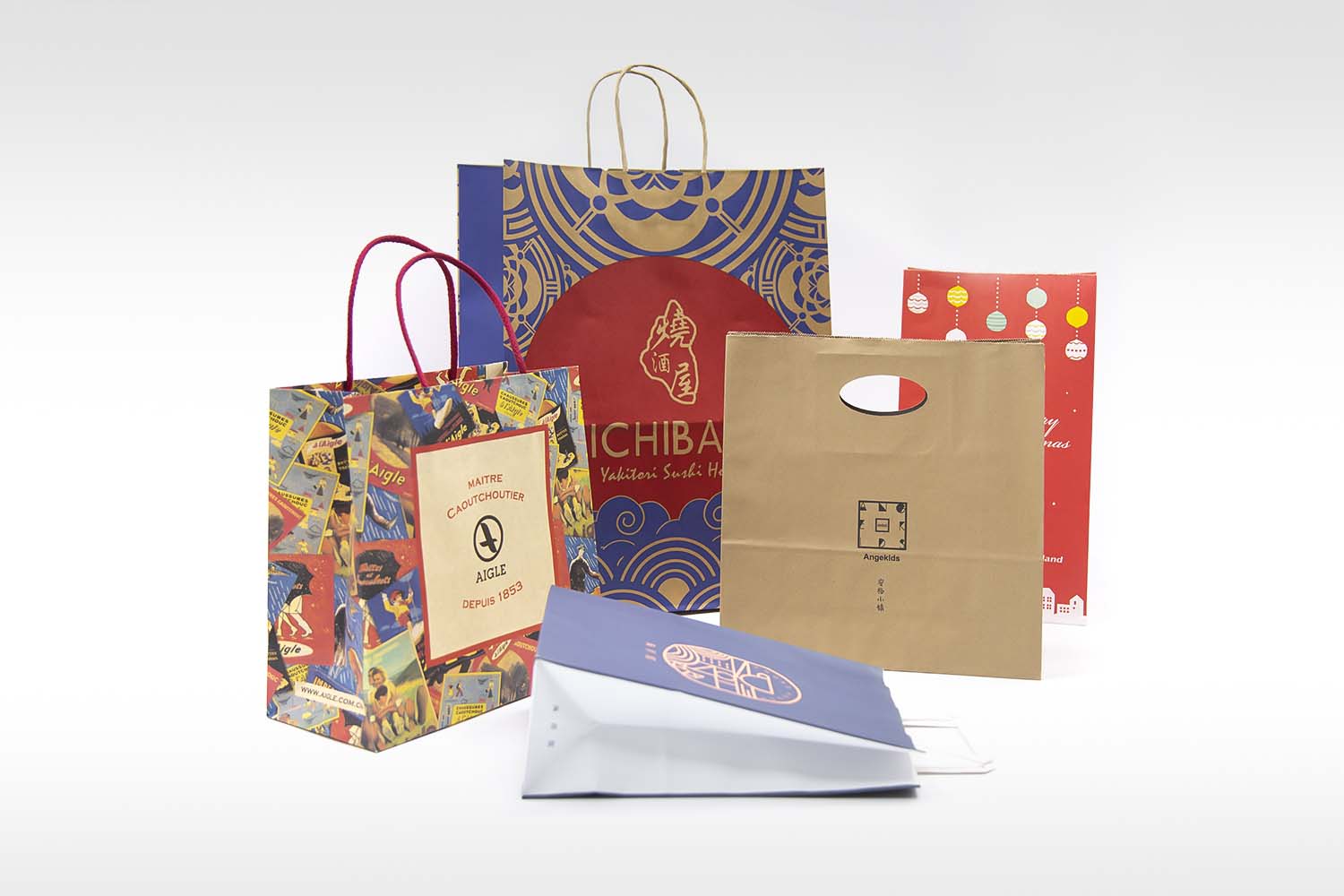
Paper bags have become a staple in modern packaging, offering a combination of sustainability, versatility, and aesthetic appeal. Their use extends across retail, e-commerce, gifts, and promotional items, reflecting a growing preference for eco-conscious solutions. Beyond basic functionality, the materials and design styles of paper bags play a critical role in enhancing brand perception and customer experience.
Among various options available, custom size paper bags are particularly valuable for businesses that require flexibility in accommodating products of different shapes and dimensions. By offering tailored sizing, these bags ensure that products are presented neatly and securely, elevating the overall packaging experience.
Common Materials Used in Paper Bag Packaging
The choice of material directly impacts durability, appearance, and sustainability. Modern paper bag packaging primarily relies on the following materials:
- Kraft Paper Packaging: Known for its strength and rustic appearance, kraft paper is highly versatile. It is suitable for carrying heavier items and can withstand repeated handling, making it ideal for retail and grocery use. Kraft paper bags often come in natural brown tones but can also be bleached or dyed for aesthetic purposes.
- Eco-Friendly Paper Bags: These bags are made from recycled or sustainably sourced paper, reducing environmental impact. They are designed to be biodegradable or recyclable, catering to eco-conscious consumers. Eco-friendly bags can also be combined with other materials like cotton handles or minimalistic printing to create a premium look.
- Biodegradable Paper Bags: For industries emphasizing sustainability, biodegradable paper bags offer a solution that decomposes naturally without leaving harmful residues. These are particularly common in food packaging, boutique retail, and event giveaways where environmental responsibility is a priority.
- Coated Paper Bags: Coatings, such as matte or gloss finishes, add durability and improve resistance to moisture or minor spills. Coated paper bags are often used for high-end retail packaging or gift items, providing both functionality and a refined aesthetic.
Popular Styles of Paper Bags
The design and structure of a paper bag influence both usability and brand perception. Common styles include:
- Flat Handle Bags: These bags feature handles that are glued or looped on top, offering easy carrying and a clean appearance. They are widely used in retail stores and for lightweight products.
- Twist Handle Bags: Made with twisted paper handles, these bags combine strength and comfort. They are often used for gift items and boutique packaging. more
- Die-Cut Handle Bags: Handles are cut directly into the bag material, giving a minimalist look. They are ideal for promotional or disposable packaging where simplicity is key.
- Reinforced Bottom Bags: Some paper bags include reinforced or double-layered bottoms to carry heavier items safely. This style is particularly useful for food, books, and electronics packaging.
- Custom Printed Paper Bags: Printing and branding options are crucial for product presentation. Businesses can add logos, brand colors, and designs to create a memorable unboxing experience. High-quality printing techniques like foil stamping, embossing, or UV coating can further elevate the visual appeal.
Factors to Consider When Choosing Paper Bag Materials
Selecting the right paper bag requires careful consideration of multiple factors:
- Product Weight and Shape: Heavier or irregularly shaped items require sturdier materials, like kraft paper or reinforced bottoms. Custom sizing ensures a snug fit for all products.
- Environmental Impact: Many consumers prefer brands that use biodegradable or eco-friendly paper bags, making sustainability a key consideration.
- Branding and Aesthetic Goals: The style, color, and printing options should align with brand identity. Premium products may benefit from glossy coatings or metallic prints, while boutique items may prefer matte or minimalist designs.
- Cost Efficiency: While customization adds value, businesses must balance design enhancements with production costs. Custom size paper bags offer flexibility without necessarily increasing waste or expense.
Advantages of Customization in Paper Bag Packaging
Customization allows businesses to tailor packaging to product dimensions, branding needs, and presentation goals. Benefits include:
- Optimized Product Fit: Custom sizing reduces empty space and prevents product movement during transit.
- Enhanced Brand Recognition: Personalized designs make packaging instantly recognizable.
- Improved Customer Experience: Thoughtful packaging creates a positive impression and can influence repeat purchases.
- Versatility Across Product Lines: Customization accommodates various product shapes and seasonal variations efficiently.
By incorporating custom printed paper bags, businesses can achieve both functional and aesthetic objectives, ensuring that each package aligns with the brand’s identity and customer expectations.
Trends in Modern Paper Bag Packaging
Several trends are shaping the evolution of paper bag packaging:
- Sustainable Packaging: Biodegradable and recycled materials are becoming standard expectations in retail and e-commerce.
- Minimalist Designs: Clean, understated designs communicate sophistication and focus on quality.
- Interactive Packaging: QR codes, personalized messages, or augmented reality elements are being integrated into paper bags to engage customers further.
- Premium Finishes: Glossy, matte, or metallic coatings enhance shelf appeal while maintaining eco-friendly credentials.
Businesses increasingly recognize that packaging is not just functional but an extension of brand storytelling.
Final Considerations
Modern paper bag packaging balances functionality, sustainability, and visual appeal. By selecting the right material, style, and size, businesses can ensure that products are protected while leaving a lasting impression. Customization options such as custom design packaging enable companies to deliver unique, memorable experiences for customers while supporting environmental goals and brand consistency.
With thoughtful choices in materials and styles, paper bags continue to be a versatile and impactful solution in today’s packaging landscape.