For Florida homeowners, enjoying outdoor living spaces like lanais, patios, and screened porches is a year-round pleasure. However, insects, UV rays, and unpredictable weather can make these spaces less comfortable. Motorized screens for lanai & patio offer a modern solution, combining protection, convenience, and aesthetic appeal.
In this guide, we’ll explore everything about motorized screens in Florida—from their benefits and types to installation considerations and comparisons with traditional screening options.
What Are Motorized Screens for Lanai & Patio?
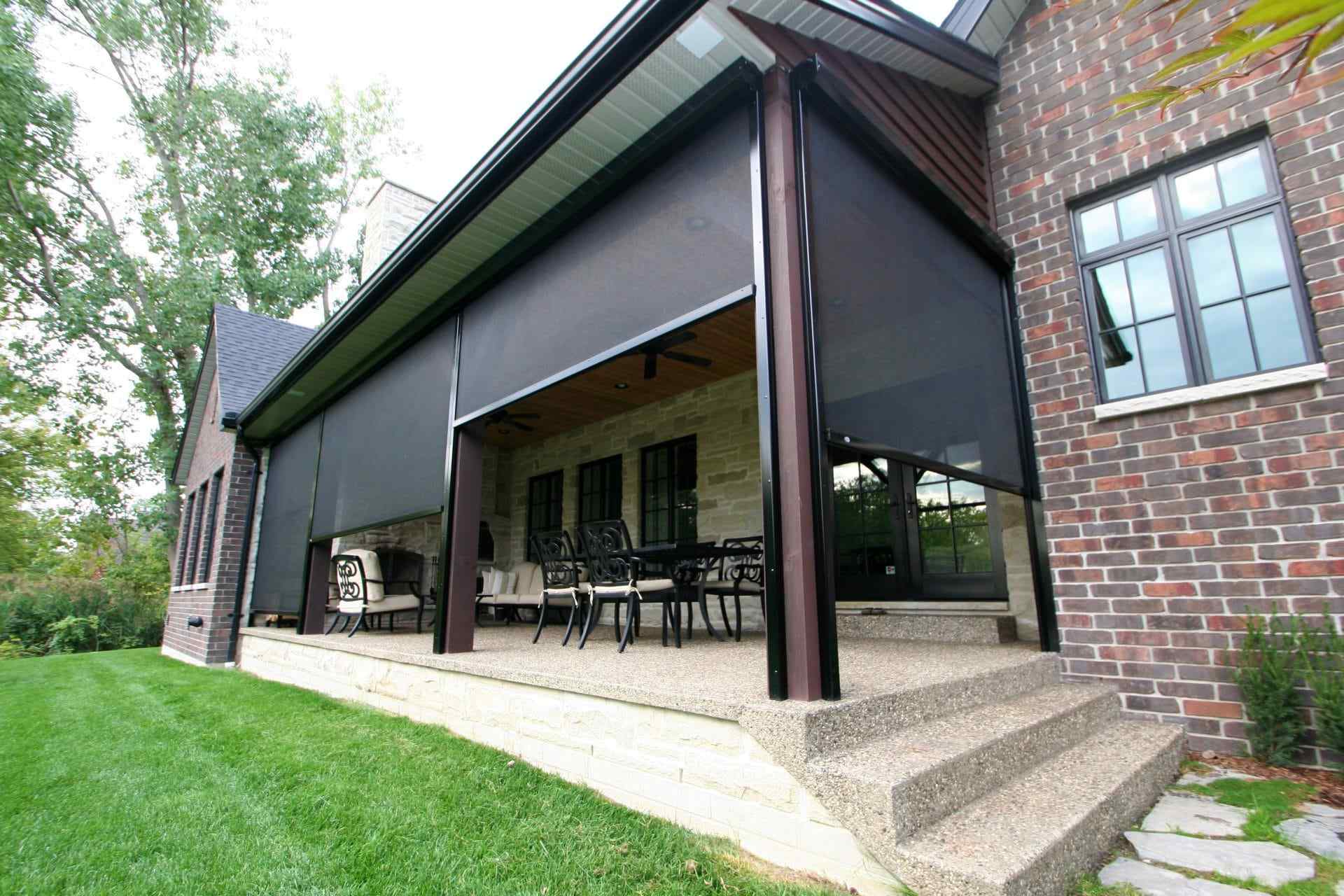
Motorized screens are retractable screens powered by electric motors that allow homeowners to easily open or close their lanai or patio enclosures with the push of a button. They are designed to:
- Block insects and pests
- Reduce sunlight and UV exposure
- Provide privacy
- Enhance the comfort of outdoor living areas
Unlike fixed screens, motorized screens offer flexibility—you can retract them when not needed, preserving an unobstructed view of your backyard or the Florida coastline.
Why Florida Homeowners Prefer Motorized Screens
Florida’s tropical and subtropical climate makes outdoor living a major part of daily life. Motorized screens are particularly beneficial in the state because:
- Insect Control: Florida is home to mosquitoes, flies, and other pests. Screens create a barrier for outdoor comfort.
- Sun Protection: Motorized screens reduce glare and block harmful UV rays, preventing furniture and flooring from fading.
- Weather Protection: Florida experiences sudden rain showers. Screens provide a quick protective shield for patios and lanais.
- Convenience: With remote or app-controlled operation, homeowners can adjust screens easily without manual effort.
Types of Motorized Screens
Several motorized screen types are available, depending on function, installation, and aesthetic preference:
| Screen Type | Best For | Features | Average Lifespan | Cost Range (Florida) |
| Retractable Roll-Up | Patios & lanais | Fully retractable, minimal visual obstruction | 10–15 years | $1,200–$3,500 |
| Zip Screen | High wind areas | Tensioned fabric prevents flapping | 12–15 years | $1,500–$4,000 |
| Sliding Panel Screen | Wide openings | Motorized panels slide horizontally | 8–12 years | $2,000–$5,000 |
| Exterior Sun Screens | Sun protection | UV-blocking, reduces cooling costs | 10–15 years | $1,000–$3,000 |
Each type has distinct benefits. For example, zip screens are ideal for coastal areas in Florida where strong winds are frequent, while retractable roll-ups are perfect for standard patios and lanais.
Benefits of Motorized Screens
Installing motorized screens provides a variety of advantages over traditional fixed screens:
1. Enhanced Comfort
Screens create a shaded and insect-free environment, allowing families to enjoy outdoor meals, gatherings, or relaxation without discomfort.
2. Improved Energy Efficiency
Exterior screens reduce heat gain inside homes, lowering air conditioning costs during Florida’s hot summers.
3. Increased Property Value
Homes with retractable or motorized screens often appeal to buyers seeking functional outdoor living spaces.
4. Flexible Operation
Motorized screens operate via remote control, wall switch, or smartphone app, offering convenience and modern integration with smart home systems.
5. Protection of Furniture and Flooring
UV-blocking screens prevent fading and damage to outdoor furniture, hardwood floors, and decorative elements.
Installation Considerations for Florida Homes
Before installing motorized screens, homeowners should consider:
- Screen Size & Opening Dimensions: Accurate measurements are critical for a proper fit.
- Mounting Location: Screens can be installed inside or outside the lanai or patio frame.
- Wind Load & Florida Codes: Some regions require screens to withstand high winds.
- Motor & Power Source: Options include AC-powered motors, solar-powered, or battery-operated systems.
- Maintenance Needs: Check if the screen fabric is resistant to Florida’s humidity and salt air.
Motorized Screens vs Traditional Screens
| Feature | Motorized Screens | Traditional Fixed Screens |
| Convenience | Push-button or app control | Manual operation |
| Flexibility | Fully retractable | Permanently fixed |
| Wind Resistance | High (zip tensioned models) | Moderate |
| Aesthetic Appeal | Minimal visual obstruction | Visible screen frames |
| Cost | Higher initial investment | Lower upfront cost |
| Maintenance | Easy, motorized operation | May require frame repairs |
Motorized screens clearly offer more convenience and modern functionality, making them a popular choice for Florida homeowners who want a blend of comfort, aesthetics, and protection.
Materials and Fabric Options
The choice of materials affects durability, visibility, and UV protection. Common options include:
- Fiberglass Mesh: Lightweight, durable, and cost-effective.
- Polyester Screen Fabric: Stronger than fiberglass and often used in high-traffic areas.
- PVC-Coated Fiberglass: Ideal for coastal areas due to corrosion resistance.
- Sun/UV Blocking Fabric: Reduces heat and protects furnishings from UV damage.
Long-term durability is essential in Florida, where humidity and sunlight exposure can deteriorate inferior fabrics.
Smart Home Integration
Modern motorized screens often integrate with smart home systems, allowing:
- Voice commands via Alexa or Google Home
- Scheduling to automatically extend or retract screens
- Remote operation from smartphones, even when away from home
- Integration with security systems for added home protection
This makes motorized screens not just a functional upgrade, but a tech-savvy enhancement for contemporary Florida homes.
Maintenance Tips for Longevity
Proper maintenance ensures your screens last for years:
- Clean screen surfaces periodically with mild soap and water.
- Check motor and control mechanisms for debris or wear.
- Lubricate moving parts as recommended by the manufacturer.
- Inspect the screen fabric for tears or wear.
- Retract screens during storms or hurricanes to prevent damage.
By following these steps, Florida homeowners can protect their investment and enjoy a seamless outdoor living experience.
Cost of Motorized Screens in Florida
The cost depends on size, type, fabric, and installation:
| Screen Type | Average Cost | Notes |
| Retractable Roll-Up | $1,200–$3,500 | Ideal for small to medium patios |
| Zip Screen | $1,500–$4,000 | Wind-resistant, high durability |
| Sliding Panel Screen | $2,000–$5,000 | Best for large openings |
| Exterior Sun Screens | $1,000–$3,000 | Reduces cooling costs |
While the upfront cost is higher than traditional screens, the convenience, durability, and added property value make motorized screens a smart investment for Florida homeowners.
Why Choose Master’s Touch Motorized Screens, Garage Doors & Metal Shutters
Florida residents trust Master’s Touch Motorized Screens, Garage Doors & Metal Shutters for professional installation of motorized screens for lanai & patio. The company ensures:
- Expert installation for all screen types
- Durable, high-quality materials suited for Florida climates
- Integration with smart home systems for modern convenience
- Personalized consultation to match your patio, lanai, or outdoor living space
Frequently Asked Questions (FAQs)
- What are motorized screens for lanai & patio?
Electrically powered retractable screens that provide insect, sun, and weather protection. - How do motorized screens operate?
They operate via remote, wall switch, or smartphone app. - Are motorized screens durable in Florida weather?
Yes, especially zip and PVC-coated models designed for high winds and humidity. - Can motorized screens be installed on existing patios?
Yes, many systems are compatible with pre-existing structures. - Do motorized screens increase home value?
Yes, they enhance outdoor living spaces, which appeals to buyers. - What maintenance is required?
Periodic cleaning, motor inspection, and retraction during storms. - Are they energy efficient?
Yes, sun-blocking fabrics reduce indoor cooling costs. - Can they be integrated with smart home systems?
Absolutely, most modern models support voice and app control. - What is the average lifespan of a motorized screen?
10–15 years, depending on fabric and maintenance. - Do motorized screens work in hurricane-prone areas?
Certain tensioned zip screens are designed for high winds, but retracting them during storms is recommended.
Conclusion
Motorized screens for lanai & patio in Florida provide convenience, comfort, and protection against insects, sun, and weather. With multiple types, durable fabrics, and smart home integration, they transform outdoor living spaces into functional, enjoyable areas. Homeowners looking for reliable installation and quality products can rely on Master’s Touch Motorized Screens, Garage Doors & Metal Shutters for expert guidance and service.