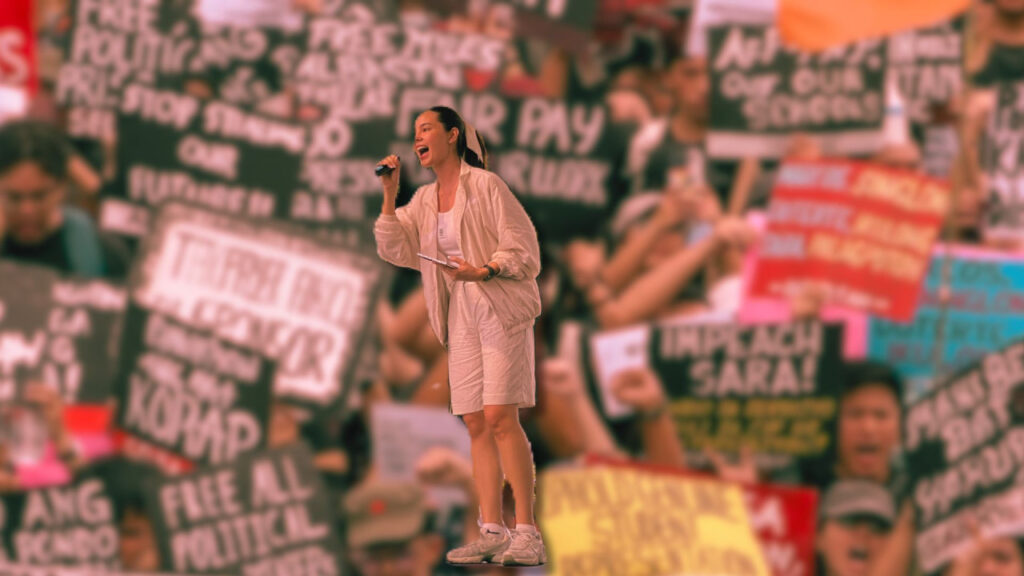
The Philippines is witnessing an unprecedented wave of anti corruption protests, as citizens from multiple cities march to demand government transparency and accountability. Spurred by revelations of hidden budget projects, alleged misuse of public funds, and systemic political graft, these demonstrations are raising questions about the nation’s political trajectory and democratic resilience.
Analysts suggest that these protests could mark a critical turning point in the Philippines’ fight against corruption potentially reshaping governance and restoring public trust.
Amid the protests, grassroots organizations and civic groups are playing a pivotal role in coordinating nationwide demonstrations, organizing fact-finding campaigns, and educating citizens on budget transparency. These groups are leveraging social media to share real-time updates, document government responses, and mobilize public support, creating a bottom-up pressure that challenges traditional political hierarchies. Their efforts highlight how collective civic engagement can amplify demands for accountability, transforming scattered outrage into a cohesive movement that demands real change.
The Catalyst: Hidden Budgets and Ghost Projects
Recent investigations have revealed billions of pesos allegedly funneled into ghost projects and unprogrammed appropriations without proper oversight. Citizens have expressed outrage over undocumented spending, phantom infrastructure, and budget insertions that bypass conventional auditing procedures.
The lack of transparency in these financial allocations has ignited widespread anger, prompting calls for full disclosure of public spending and reforms to prevent future abuses.
Mass Mobilization: Citizens Demand Accountability
Across major cities, thousands of Filipinos students, professionals, and local activists have taken to the streets, chanting slogans demanding justice and reform. Social media campaigns amplifying the protests have gone viral, turning local grievances into national debates on governance.
The protests are not limited to urban centers; provincial towns have joined in, signaling that citizen discontent is spreading nationwide.
Political Implications: Pressure Mounts on Leaders
The surge of public anger is exerting pressure on lawmakers and the executive branch. Calls for investigations into unprogrammed appropriations, budgetary transparency, and anti graft reforms are growing louder.
Political analysts suggest that continued demonstrations could force a policy shift, including:
-
Tightened oversight of government budgets
-
Strengthened anti-corruption agencies
-
Greater involvement of civil society in monitoring public projects
The protests may serve as a wake-up call for the administration, highlighting that public tolerance for corruption is dwindling.
Economic and Social Repercussions
Beyond politics, the protests could influence the economy and public services. Citizens are demanding that funds meant for infrastructure, disaster management, and social programs be used appropriately emphasizing that corruption directly affects national development and public welfare.
Social cohesion is also at stake, as prolonged protests test the government’s ability to engage constructively with the public without escalating tensions.
A Turning Point? Future Prospects for the Philippines
Observers argue that the current wave of anti corruption protests may be transformative. If sustained, they could reshape Philippine governance, enhance institutional accountability, and restore citizen confidence in public institutions.
However, the outcome depends on how political leaders respond whether with meaningful reforms or superficial concessions. The nation stands at a crossroads: either embracing transparency or facing escalating civil unrest and continued distrust in governance.
Conclusion
The Philippines’ current protests represent more than civic dissatisfaction; they are a call for systemic change. With public funds under scrutiny, ghost projects exposed, and citizens mobilized nationwide, the movement underscores the urgent need for government accountability and transparency.
Whether this becomes a historic turning point for the nation depends on the government’s willingness to listen, act, and restore trust in the eyes of its people.