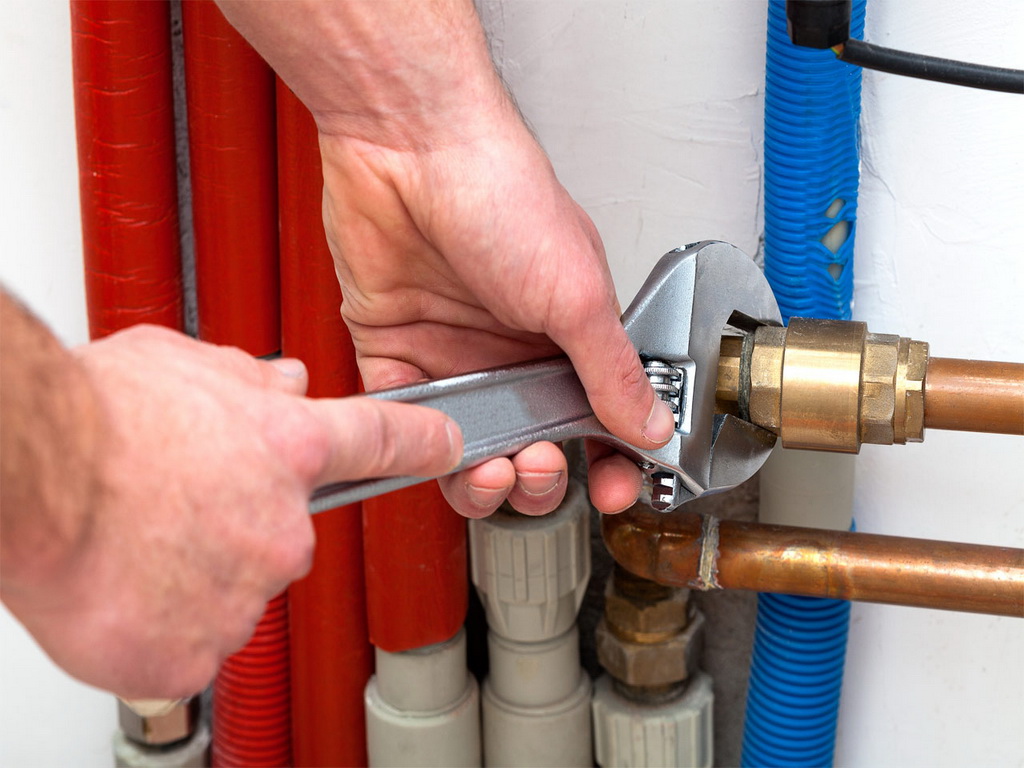
Modern homes depend on a complex network of pipes that deliver clean water and safely remove waste. In Lincoln, CA, pipe installation and repair is influenced by local soil conditions, water quality, home age, and climate patterns. Understanding how these factors affect residential plumbing systems helps homeowners make informed decisions when addressing leaks, corrosion, or aging infrastructure.
This guide explores how pipe installation & repair works specifically in Lincoln, why certain materials perform better than others, and how repairs differ from full replacements in local homes.
Why Pipe Installation & Repair Is Different in Lincoln, CA
Lincoln is located in Placer County, where expansive clay soil, temperature shifts, and mineral-heavy water create unique plumbing challenges. These conditions place stress on underground pipes and interior plumbing systems over time.
Common regional factors impacting pipes include:
- Seasonal soil expansion and contraction
- Older neighborhoods with galvanized or cast-iron piping
- Hard water mineral buildup
- Tree root intrusion in sewer lines
- Ground movement near foundations
Because of these factors, pipe installation and repair strategies in Lincoln often differ from those used in coastal or desert regions.
Understanding Pipe Installation in Residential Plumbing Systems
Pipe installation refers to placing new plumbing lines in a home, either during construction or as part of a system upgrade. In Lincoln homes, installation commonly occurs during:
- New residential construction
- Kitchen or bathroom remodeling
- Repiping older homes
- Water line or sewer line replacement
Common Pipe Materials Used in Lincoln Homes
| Pipe Material | Typical Use | Lifespan | Performance in Lincoln |
| Copper | Water supply lines | 50+ years | Durable but affected by hard water |
| PEX | Interior water lines | 40–50 years | Flexible and soil-movement resistant |
| PVC | Drain and vent lines | 50+ years | Ideal for sewer and drainage |
| ABS | Waste lines | 40–50 years | Lightweight but less UV-resistant |
| Galvanized Steel | Older homes | 20–40 years | Prone to corrosion and buildup |
Many older Lincoln homes still rely on outdated galvanized pipes, making pipe installation projects common during renovations.
Pipe Repair vs Pipe Replacement: What’s the Difference?
Pipe repair addresses specific damage, while replacement involves installing entirely new piping. Choosing between them depends on pipe condition, age, and location.
Comparison Table: Pipe Repair vs Replacement
| Factor | Pipe Repair | Pipe Replacement |
| Scope | Localized fix | Whole system or section |
| Cost | Lower upfront | Higher initial investment |
| Time | Short-term | Long-term solution |
| Lifespan | Temporary to medium | 40–50 years |
| Best For | Leaks or minor corrosion | Widespread deterioration |
In Lincoln, pipe repair is often used for slab leaks or joint failures, while replacement is recommended for homes with aging metal pipes.
Signs Your Home May Need Pipe Installation or Repair
Many plumbing problems develop silently. Recognizing early indicators can prevent water damage and costly repairs.
Common warning signs include:
- Discolored or metallic-tasting water
- Sudden drops in water pressure
- Repeated leaks in the same area
- Mold growth or damp drywall
- Unexplained increases in water bills
- Noisy pipes or banging sounds
When these symptoms appear, professional assessment is usually required to determine whether pipe repair or full installation is necessary.
The Role of Soil and Foundation Movement in Pipe Damage
Lincoln’s clay-rich soil expands when wet and contracts during dry seasons. This constant movement can stress underground pipes and slab-installed plumbing.
Effects of soil movement include:
- Cracked water lines beneath foundations
- Separated pipe joints
- Misaligned sewer connections
- Increased risk of leaks under slabs
Modern pipe installation methods often account for this by using flexible materials such as PEX or reinforced PVC.
Trenchless vs Traditional Pipe Repair Methods
Advancements in plumbing technology have introduced trenchless repair options that minimize disruption to landscaping and foundations.
Repair Method Comparison
| Method | Description | Best Use Case |
| Traditional Excavation | Digging to access pipes | Severe damage or replacement |
| Pipe Lining | Internal epoxy coating | Minor corrosion or cracks |
| Pipe Bursting | Breaking old pipe while installing new | Sewer line replacement |
| Spot Repair | Isolated section fix | Localized leaks |
Trenchless pipe repair is increasingly used in Lincoln due to its reduced impact on driveways and yards.
Water Quality and Its Impact on Pipe Longevity
Hard water is common in Lincoln and contains minerals like calcium and magnesium. Over time, these minerals accumulate inside pipes, reducing flow and accelerating corrosion.
Pipe materials react differently to hard water:
- Copper may pit internally
- Galvanized steel corrodes rapidly
- PEX resists mineral buildup
This is why material selection during pipe installation is critical for long-term performance in Lincoln homes.
Pipe Installation & Repair in Older Lincoln Neighborhoods
Homes built before the 1980s often contain outdated plumbing materials. Pipe installation projects in these homes may involve:
- Whole-house repiping
- Sewer line upgrades
- Transition fittings for mixed materials
- Pressure regulation adjustments
Modern plumbing codes also require updated safety features, making pipe installation more complex in older properties.
How Local Plumbing Services Address Lincoln-Specific Challenges
Local plumbing professionals understand Lincoln’s building codes, soil conditions, and water quality. PMR Plumbing frequently works with residential systems affected by regional factors, ensuring installations and repairs align with local infrastructure standards.
Typical Timeline for Pipe Installation & Repair Projects
| Project Type | Average Duration |
| Minor Pipe Repair | 1–3 hours |
| Slab Leak Repair | 1–2 days |
| Partial Repiping | 2–3 days |
| Whole-House Repiping | 3–7 days |
| Sewer Line Replacement | 2–5 days |
Project duration depends on accessibility, material choice, and extent of damage.
Long-Term Benefits of Proper Pipe Installation
Quality pipe installation reduces:
- Risk of future leaks
- Water contamination
- Emergency plumbing calls
- Structural damage
- Insurance claims
In Lincoln’s variable soil and water conditions, proper installation is essential for long-term home protection.
Frequently Asked Questions (FAQs)
1. How long do pipes last in Lincoln, CA?
Lifespan varies by material, but copper and PEX pipes often last 40–50 years with proper installation.
2. Is pipe repair always cheaper than replacement?
Short-term costs are lower, but replacement can be more cost-effective over time if pipes are deteriorating.
3. Can hard water damage pipes?
Yes, mineral buildup accelerates corrosion and reduces water flow, especially in metal pipes.
4. Are trenchless pipe repairs reliable?
Yes, trenchless methods are durable and commonly used for sewer and underground pipe repairs.
5. How do I know if my home needs repiping?
Frequent leaks, low pressure, and discolored water are common indicators.
6. What pipe material is best for Lincoln homes?
PEX is often recommended due to flexibility and resistance to soil movement.
7. Can pipes break under concrete slabs?
Yes, slab leaks are common when pipes are stressed by soil movement.
8. Does pipe installation require permits in Lincoln?
Yes, most installations and replacements require local permits and inspections.
9. How often should pipes be inspected?
Every 2–3 years or after noticing performance issues.
10. Can pipe repairs prevent water damage?
Early repairs significantly reduce the risk of mold, foundation damage, and high repair costs.
Final Thoughts
Pipe installation & repair in Lincoln, CA is shaped by local soil conditions, water quality, and housing age. Understanding how these factors affect plumbing systems allows homeowners to make informed, long-term decisions that protect their property and water supply.