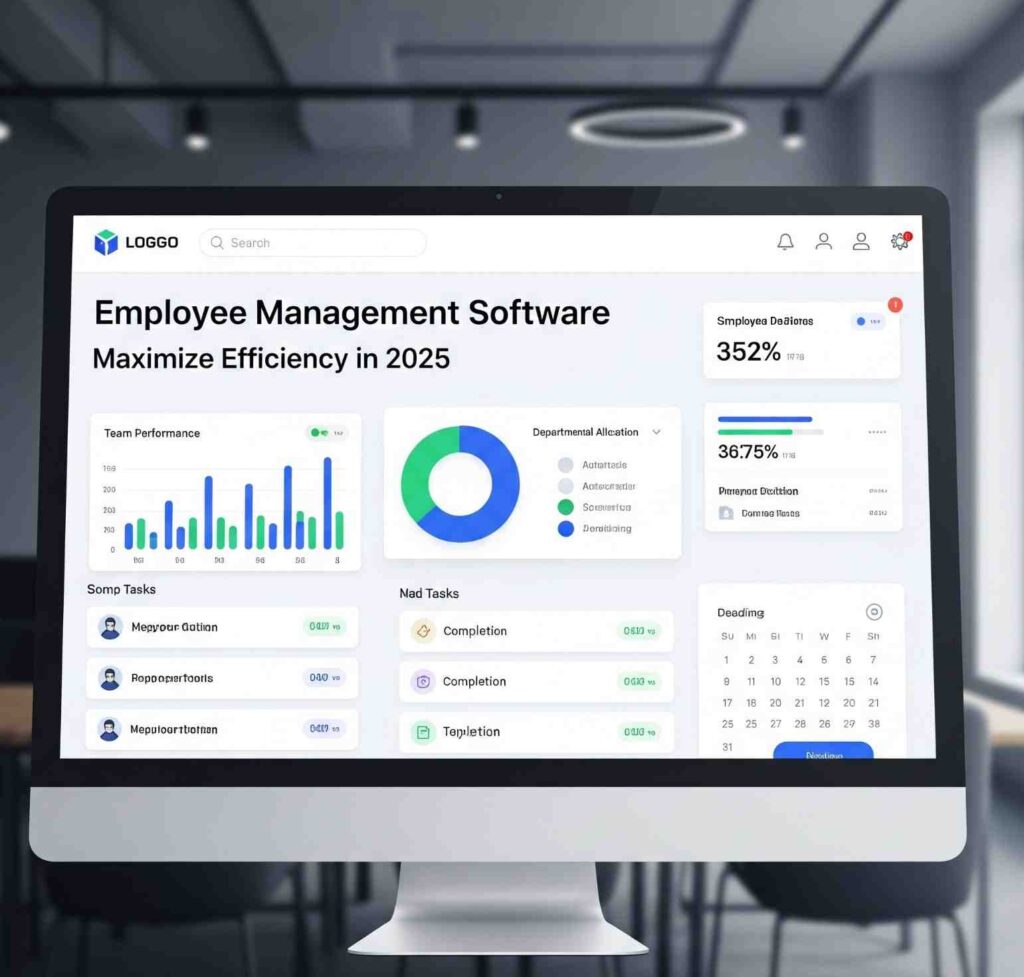
Social media generates an enormous amount of data every day. Likes, comments, shares, clicks, and conversions all tell a story — but only if you know how to interpret them. A social analytics tool transforms raw social data into meaningful insights, helping businesses make smarter decisions and improve performance across platforms.
This guide explains what social analytics tools are, how they work, and why they are essential for modern digital marketing.
What Is a Social Analytics Tool?
A social analytics tool is software that collects, analyzes, and visualizes data from social media platforms. It tracks engagement, audience behavior, content performance, and campaign results, allowing marketers to measure what’s working and what needs improvement.
These tools are used by brands, agencies, and marketers to optimize content strategies, improve customer engagement, and drive business growth.
Why Social Analytics Tools Matter
1. Clear Performance Measurement
Analytics tools provide accurate metrics on reach, impressions, engagement, and conversions.
2. Better Audience Understanding
They reveal who your audience is, what they like, and how they interact with your content.
3. Smarter Content Strategy
Data-driven insights help you create content that resonates and performs better.
4. Higher Marketing ROI
By focusing on high-performing campaigns, businesses reduce wasted spend and increase results.
Key Features of a Social Analytics Tool
A high-quality social analytics tool typically includes:
-
Engagement tracking and reporting
-
Audience demographics and behavior analysis
-
Content performance measurement
-
Hashtag and keyword monitoring
-
Campaign ROI tracking
-
Competitor benchmarking
-
Sentiment analysis
-
Custom dashboards and reports
Benefits of Using a Social Analytics Tool
-
Improved content performance
-
Stronger audience engagement
-
Data-backed marketing decisions
-
Better campaign optimization
-
Increased brand visibility
-
More consistent growth
For example, brands using Pulse Social can leverage analytics to identify trends, refine content strategies, and stay ahead of competitors with actionable insights.
How Social Analytics Tools Improve Marketing Results
Social analytics tools monitor performance in real time and provide recommendations that help marketers:
-
Post at the best times
-
Improve message relevance
-
Adjust campaign strategies
-
Identify top-performing content formats
-
Discover new audience segments
This leads to stronger engagement, higher conversions, and more predictable growth.
Use Cases for Social Analytics Tools
Social analytics tools are widely used for:
-
Social media performance reporting
-
Campaign optimization
-
Brand monitoring
-
Audience growth analysis
-
Influencer marketing evaluation
-
Content planning and scheduling
-
Competitive analysis
Best Practices for Using Social Analytics Tools
Define Clear Goals
Set measurable objectives such as engagement growth, lead generation, or conversions.
Track the Right Metrics
Focus on KPIs that align with your business outcomes, not just vanity metrics.
Review Data Regularly
Consistent analysis helps identify trends and opportunities faster.
Combine Insights with Strategy
Use analytics to guide decisions, not replace creativity and brand voice.
Common Mistakes to Avoid
-
Relying only on surface-level metrics
-
Ignoring long-term trends
-
Failing to act on insights
-
Overlooking competitor performance
-
Not aligning analytics with business goals
Avoiding these mistakes ensures your analytics tool delivers real business value.
The Future of Social Analytics Tools
Social analytics tools are evolving with advanced automation, predictive insights, and deeper audience intelligence. Future tools will not only report what happened but also recommend what to do next, helping businesses stay agile in a fast-changing digital landscape.
Conclusion
A social analytics tool transforms social media from guesswork into a measurable growth engine. By turning data into insight, businesses can improve content performance, engage audiences more effectively, and achieve long-term digital success with confidence.