Soup is one of the most comforting, nutritious, and delicious meals you can make at home and it’s even better when you have a freezer full of ready‑to‑heat portions. Whether you’re prepping for busy weeknights, stocking lunches, or preserving seasonal flavors, freezing soup is a smart way to save time and reduce waste.
But here’s the catch: freezing soup effectively isn’t just about stirring it into a pot and sticking it in the freezer. Choosing the best containers for freezing soups will make the difference between soup that stays fresh, tastes great, and thaws easily and soup that ends up with freezer burn or leaks all over your freezer shelves. That’s why we’re diving into the ultimate freezer container guide packed with expert tips and top‑rated storage solutions.
Why Choosing the Right Freezer Containers Matters
Freezing soup isn’t as simple as tossing hot liquid into any old container. Soup expands as it freezes, and cold temperatures can affect materials differently depending on whether they’re plastic, glass, silicone, or freezer bags. Pick the wrong container and you may deal with:
-
Cracked lids or containers
-
Freezer burn degrading flavor
-
Leaks or spills
-
Difficult or uneven thawing
Best Container Materials for Freezing Soup
Here’s a breakdown of the most effective container types to freeze soups, stews, stocks, and broths based on performance, convenience, and durability.
1. Glass Containers Durable, Non Reactive, Easy to Reheat
Glass is often considered one of the best materials for freezing soup especially if you want versatility.
Why glass works well:
-
Non‑porous surface doesn’t absorb stains or odors
-
Safe for reheating in microwave or oven (lids removed)
-
Durable and reusable long term
Brands like Pyrex and Anchor Hocking offer tough glass containers with airtight lids designed for freezer use. Glass containers are excellent if you plan to freeze family‑sized portions and reheat directly without transferring to bowls.
Pro tip: Always leave an inch of space at the top — liquids expand when frozen — to prevent cracking or lid bulging.
2. Silicone Freezer Trays Portion Perfect and Space‑Saving
If you stock up on soups regularly or like meal prepping into single servings, silicone trays like Souper Cubes are life‑savers.
Benefits of silicone containers:
-
Flexible and non‑stick for easy soup removal
-
Ideal for portioned servings
-
Stackable and freezer‑space efficient
Many freezer silicone molds come with steel‑reinforced rims to help you carry liquid soup without spills, and their lids help seal out air and odors. Once frozen, you can pop the soup blocks out and store them in a labeled freezer bag if needed.
Whether you’re freezing chili, broth, or creamy soups, silicone gives you flexibility and organization in your freezer.
3. BPA Free Plastic Containers Lightweight and Budget‑Friendly
Quality BPA‑free plastic containers are a popular choice especially if you need lots of storage without breaking the bank. KimEcopak
Why choose BPA‑free plastic:
-
Comfortable to handle and lightweight
-
Come in a range of sizes and stack well
-
Often dishwasher and freezer safe
Pro tip: Avoid microwaving plastic directly if possible even BPA free plastics can degrade over time with high heat.
4. Freezer Bags Flexible and Space Efficient
Freezer bags are among the most space‑efficient ways to store soup, especially if you’re freezing large batches.
Advantages:
-
Lay flat to freeze saves freezer space
-
Easy to portion before freezing
-
Great for broths, stocks, and individual servings
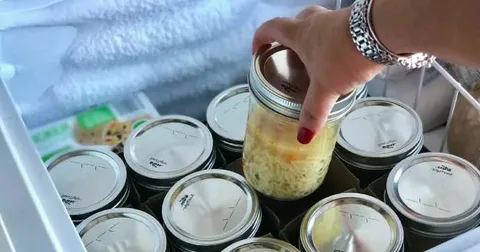
5. Mason Jars Classic and Simple Option
Mason jars can work for freezer soup storage as long as they’re wide‑mouth and freezer‑rated.
Best practices for mason jars:
-
Leave at least an inch of headspace
-
Let soup cool before filling to avoid thermal shock
-
Good for broths and lighter soups, though heavier soups can be hard to remove
Top Tips to Freeze Soup Successfully

Even the best containers can’t save soup that’s not prepared properly before freezing. Follow these expert tips for maximum flavor and freezer success:
✔ Cool Before Freezing
Never pour hot soup straight into containers — this can warp plastic or cause glass to crack. Chill soup in the fridge until it’s cool to the touch before filling your freezer containers.
✔ Leave Headspace
Soup expands as it freezes. Leave about 1 inch (2‑3 cm) of space at the top of the container to avoid pressure on lids or bursting containers.
✔ Label and Date Everything
Use freezer‑safe labels or permanent markers to write the soup type and freezing date on each container. This helps you rotate through your stock and avoid mystery soups later.
✔ Consider Portion Control
Freezing soup in portions (via silicone trays or smaller containers) means you only thaw what you need. This prevents waste and speeds up reheating.
✔ Avoid Freezer Burn
Air is the enemy. Make sure lids are sealed tight, remove air from bags before freezing, and use containers designed to prevent freezer air exposure.
Best Uses for Different Container Types
| Container Type | Best For | Pros | Cons |
|---|---|---|---|
| Glass containers | Family portions | Reheat in oven/microwave, no odors | Heavier, pricier |
| Silicone trays | Single servings | Space‑saving, easy release | Need transfer to bags |
| BPA‑free plastic | Everyday use | Affordable, lightweight | Can absorb odor |
| Freezer bags | Large batches | Space‑efficient | Prone to punctures |
| Mason jars | Broths, soups | Classic look, reusable | Breakable |
Final Thoughts:
Freezing soup is an art as much as it’s a science and it starts with choosing the right storage tools. Whether you’re prepping meals ahead of time, saving leftovers, or building a freezer soup library for busy days, using the correct containers makes all the difference. visit more: wetelluhow