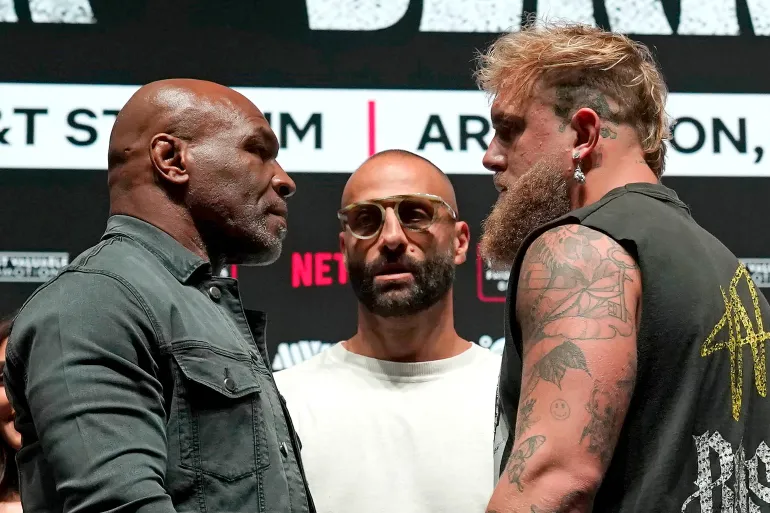
The sports entertainment landscape is undergoing one of the most dramatic shifts in decades. What once depended heavily on cable networks, pay-per-view buys and regional broadcasters is now moving toward a digital-first world where streaming platforms are taking center stage. Among the many events that highlighted this transformation, the Jake Paul Tyson Netflix fight stood out as a defining moment, not only for boxing but also for the broader entertainment ecosystem. It showed that the way audiences want to watch, discuss and experience major events has changed permanently.
The Rise of Digital-First Fight Culture
For years, traditional boxing relied on legacy promotion models and long-established television partnerships. This model served the sport well when cable subscriptions were high and viewers were willing to pay premiums for one-night events. But as streaming gained popularity, new possibilities emerged. Younger audiences, who rarely consume television in the traditional sense, have introduced a demand for content that is interactive, mobile-friendly and socially integrated. Influencer-driven fights tapped into this shift perfectly. Instead of appealing solely to hardcore boxing fans, they attract a diversified audience that values entertainment, storytelling, humour and accessibility. This new fight culture is less about technical boxing excellence and more about creating a moment the entire internet can talk about collectively.
Why Streaming Makes These Events Bigger
Streaming platforms offer a massive advantage that traditional broadcasters cannot match: global, instant accessibility. With one event available across continents at the same time, the audience multiplies effortlessly. The Jake Paul–Mike Tyson event benefited heavily from this. Because it was hosted on a major streaming provider, viewers did not have to worry about regional pay-per-view pricing, inconsistent availability or the hassle of subscribing to expensive sports packages. Instead, millions could tune in using the same service they already use daily. This frictionless entry created a level playing field where casual viewers could explore the event with the same ease as die-hard fans. For promoters and brands, this type of accessibility dramatically expands the reach of marketing campaigns, sponsorship opportunities and audience engagement.
Social Media’s Role in Amplifying Hype
One of the strongest catalysts behind the success of modern fight events is social media. Short clips, reaction videos, training footage and behind-the-scenes content help build excitement in ways that traditional TV promotions never could. Streaming platforms complement this by making the final event easily shareable and widely accessible. The buildup to the Jake Paul Tyson showdown involved content creators, influencers and fan communities amplifying every update. This created a digital ecosystem where fight excitement spread organically across platforms like YouTube, Instagram, X and TikTok. This synergy between streaming and social media effectively turns the event into a global cultural conversation, not just a sports match.
What This Means for Traditional Boxing
While purists sometimes argue that influencer boxing dilutes the sport, the numbers tell a different story. Digital-first fight events have brought new energy, fresh audiences and unprecedented financial outcomes. Traditional boxing promoters are increasingly adapting, introducing more personality-driven marketing and experimenting with streaming partnerships. The future of boxing may not be dominated by influencers, but it will certainly be influenced by the success of events like these. They have shown that storytelling, accessibility and high-quality digital production can elevate even unconventional matchups to worldwide phenomena.
A Glimpse Into the Future of Sports Entertainment
Looking ahead, it is clear that streaming platforms will play an even larger role in shaping how major sporting events are consumed. With advancements in technology, we could see immersive viewing modes, audience-driven camera angles, integrated social features and more global collaborations. The Jake Paul Tyson Netflix fight acted as an early demonstration of this shift, proving that when entertainment, accessibility and celebrity culture intersect, the result can surpass expectations and redefine industry standards.
A New Era Has Begun
The evolution of sports entertainment is no longer confined to arenas or television screens. It lives across platforms, communities and conversations. Streaming has become the bridge connecting all of these elements, allowing events to grow beyond traditional boundaries. This new era is not just about who fights, but how the world watches, engages and participates.
Checkout other blog on Regic