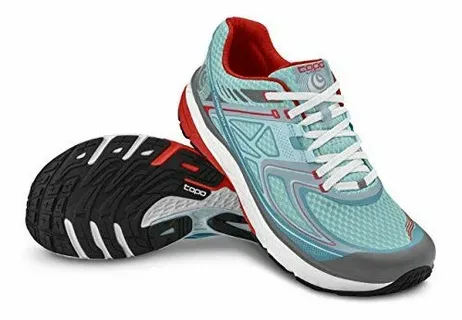
The global sportswear industry is evolving fast—and sustainability is no longer optional. Consumers today expect brands to deliver performance, style, and responsibility in equal measure. This shift has given rise to sustainable Horizon sportswear, a model that prioritizes eco-friendly fabrics, ethical production, and long-term value.
This guide explores how Horizon sportswear can be developed responsibly, from material selection to ethical manufacturing practices, without compromising performance or profitability.
Why Sustainability Matters in Horizon Sportswear
Sustainability in sportswear is driven by changing consumer behavior, environmental concerns, and regulatory pressure. Athletes and everyday consumers alike are choosing brands that reflect their values.
Key reasons sustainability matters:
- Reduced environmental impact
- Stronger brand trust and loyalty
- Long-term cost efficiency
- Compliance with global standards
What Makes Horizon Sportswear Sustainable?
A Holistic Approach to Sportswear Production
Sustainable Horizon sportswear is not just about using recycled fabric. It involves:
- Responsible raw material sourcing
- Energy-efficient manufacturing
- Fair labor practices
- Waste and emissions reduction
When these elements work together, brands can create performance sportswear that aligns with modern sustainability goals.
Eco-Friendly Fabric Options for Horizon Sportswear
Material choice is the foundation of sustainable sportswear. Below are the most effective and widely used eco-friendly fabric options in Horizon sportswear development.
Recycled Polyester (rPET)
Recycled polyester is made from post-consumer plastic bottles and industrial waste. It offers:
- Moisture-wicking performance
- Durability and stretch
- Reduced plastic waste
Organic Cotton
Unlike conventional cotton, organic cotton is grown without harmful pesticides or synthetic fertilizers. It is ideal for:
- Athleisure and lifestyle sportswear
- Sensitive skin
- Low-impact apparel collections
Bamboo and Cellulosic Fibers
Bamboo-based fabrics are gaining popularity due to their:
- Natural antibacterial properties
- Breathability and softness
- Lower water consumption
They work well for yoga wear, base layers, and casual sportswear.
Recycled Nylon and Performance Blends
Recycled nylon (often sourced from fishing nets and industrial waste) provides excellent elasticity and strength. It’s commonly used in:
- Compression wear
- Swimwear
- High-performance athletic gear
Ethical Manufacturing in Horizon Sportswear
Fair Labor and Worker Safety
Ethical manufacturing ensures that workers are treated fairly, paid living wages, and operate in safe environments. Sustainable Horizon sportswear brands prioritize:
- Transparent supply chains
- No child or forced labor
- Compliance with international labor laws
This not only protects workers but also strengthens brand credibility.
Energy-Efficient Production Facilities
Modern sportswear manufacturing increasingly uses:
- Renewable energy sources
- Water recycling systems
- Low-emission dyeing techniques
These practices significantly reduce the carbon footprint of Horizon sportswear manufacturing.
Waste Reduction and Circular Design
Ethical sportswear production focuses on minimizing waste through:
- Fabric optimization
- Reuse of off-cuts
- Recycling production scraps
Some Horizon sportswear brands are also adopting circular fashion models, where products are designed to be recycled at end of life.
Quality and Performance in Sustainable Horizon Sportswear
A common misconception is that sustainable sportswear sacrifices performance. In reality, modern eco-friendly materials often match or exceed traditional fabrics in:
- Breathability
- Moisture control
- Durability
- Comfort
This allows Horizon sportswear brands to meet athlete expectations while staying environmentally responsible.
How HorizonUSA Supports Sustainable Sportswear Brands
Working with the right sourcing partner is essential for sustainability. HorizonUSA helps brands develop sustainable Horizon sportswear by providing:
- Access to verified ethical manufacturers
- Guidance on eco-friendly fabric sourcing
- Quality assurance and compliance checks
- Scalable, cost-effective production strategies
By integrating sustainability into every stage of development, HorizonUSA enables brands to compete responsibly in the global sportswear market.
Certifications to Look for in Sustainable Horizon Sportswear
Certifications add transparency and trust. Common standards include:
- GOTS (Global Organic Textile Standard)
- OEKO-TEX®
- Global Recycled Standard (GRS)
- Fair Trade certifications
These labels help consumers identify ethically manufactured sportswear with confidence.
The Business Advantage of Sustainable Horizon Sportswear
Sustainability is not just ethical—it’s strategic. Brands investing in sustainable Horizon sportswear benefit from:
- Higher customer retention
- Premium brand positioning
- Reduced long-term production risks
- Stronger global market appeal
Conclusion: The Future of Horizon Sportswear Is Sustainable
The future of the sportswear industry belongs to brands that balance performance, style, and responsibility. Sustainable Horizon sportswear represents a smarter approach—one that respects the planet, supports workers, and delivers high-quality products consumers trust.
By choosing eco-friendly fabrics and ethical manufacturing practices, and partnering with experts like HorizonUSA, brands can build sportswear collections that perform today while protecting tomorrow.