Termites are one of the most destructive pests for homeowners, silently damaging timber and structural components of properties. In Australia, particularly in warm and humid regions like the Gold Coast, termite infestations are a common concern. For homeowners, understanding termite treatment options and implementing long-term protection strategies is crucial for safeguarding both the property and its value. This guide provides a complete overview of termite treatment Gold Coast, including detection, treatment methods, and preventative measures.
Understanding Termites
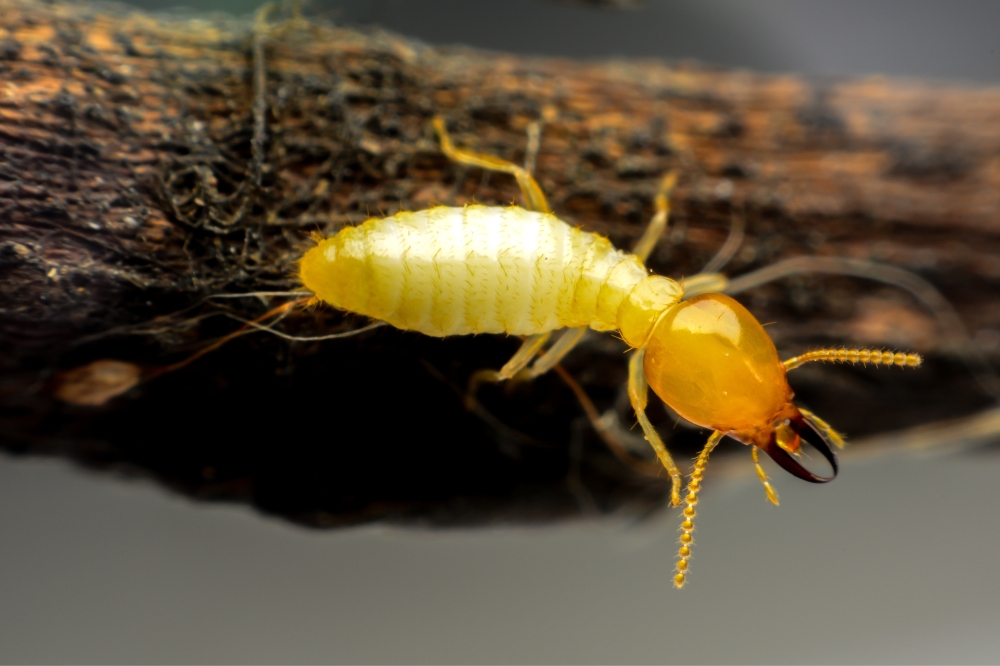
Termites feed on cellulose, found in wood, paper, and other plant-based materials. They are highly destructive because they consume timber from the inside out, often leaving the exterior intact. The main types of termites found in Australia include:
-
Subterranean termites: Live in soil and build underground colonies. They are the most damaging type, often entering properties through foundations.
-
Drywood termites: Infest dry wood and do not require contact with soil. They are harder to detect because they live inside the timber they consume.
-
Dampwood termites: Prefer wood with high moisture content, usually infesting damp structures.
Recognising the type of termite is essential for selecting the appropriate treatment method.
Signs of a Termite Infestation
Early detection is critical. Some common indicators include:
-
Mud tubes along walls or foundations
-
Hollow-sounding wood or crumbling timber
-
Discarded wings near windows and doors
-
Small holes or tunnels in wooden surfaces
-
Frass (pellet-like termite droppings) near timber
Noticing any of these signs should prompt immediate action to prevent further damage.
Termite Treatment Methods
Professional termite treatment usually involves a combination of strategies to eradicate existing colonies and prevent future infestations. The main methods include:
1. Chemical Barrier Treatments
Chemical barriers are one of the most widely used termite treatments. This method involves applying termiticides around the building’s perimeter to create a protective barrier that prevents termites from entering.
How it works:
-
Professionals drill into the soil near foundations and inject termiticides.
-
Termites that come into contact with the treated soil are killed or repelled.
-
Chemical barriers can last for several years, depending on the product and environmental conditions.
Benefits:
-
Provides comprehensive protection for the entire property.
-
Highly effective against subterranean termites.
-
Long-lasting with routine inspections.
2. Termite Baiting Systems
Termite baiting is an environmentally friendly alternative to chemical barriers. Bait stations are placed around the property, containing slow-acting toxins that termites carry back to the colony.
How it works:
-
Termites consume the bait and share it with the colony.
-
Over time, the colony is eradicated.
-
Baiting stations are monitored and replenished regularly by professionals.
Benefits:
-
Minimises chemical use and environmental impact.
-
Provides continuous monitoring and early detection.
-
Effective for both residential and commercial properties.
3. Wood Treatments
Wood treatments help protect timber from termite damage and can be used for both prevention and treatment of existing infestations.
Preventive treatments:
-
Borate-based products penetrate the timber, making it toxic to termites but safe for humans and pets.
-
Often applied during construction or renovations.
Curative treatments:
-
Termiticides can be injected or sprayed directly into infested wood.
-
Heavily damaged wood may need to be replaced entirely.
Benefits:
-
Preserves structural integrity.
-
Can be combined with soil treatments or baiting systems for comprehensive protection.
4. Physical Barriers
Physical barriers prevent termites from entering buildings and are often installed during construction. Common termite barriers include:
-
Stainless steel mesh around foundations
-
Sand barriers that termites cannot penetrate
-
Concrete slabs with termite-proof membranes
Benefits:
-
Chemical-free and long-lasting solution.
-
Reduces the risk of future infestations when combined with monitoring.
5. Integrated Pest Management (IPM)
Integrated Pest Management combines multiple termite control methods for optimal results. IPM includes:
-
Soil treatment
-
Baiting systems
-
Wood treatment
-
Physical barriers
-
Regular monitoring and inspections
Benefits:
-
Provides a holistic and sustainable solution.
-
Reduces chemical use while maintaining effectiveness.
-
Addresses both immediate infestations and long-term prevention.
Choosing a Professional Termite Control Provider
Professional expertise is essential for effective termite management. When selecting a provider, consider:
-
Licensing and experience: Ensure technicians are qualified and experienced in termite treatment.
-
Comprehensive treatment plans: Look for services that combine multiple methods for long-term protection.
-
Environmental safety: Ask about eco-friendly and low-toxicity options.
-
Warranty and follow-up inspections: Reliable companies provide guarantees and ongoing monitoring.
Professional termite control not only addresses active infestations but also reduces the risk of future problems.
Preventative Measures for Homeowners
In addition to professional treatment, homeowners can take steps to minimise the risk of termite infestations:
-
Keep timber, mulch, and firewood away from direct soil contact.
-
Repair leaks and fix drainage issues promptly.
-
Ensure proper ventilation in crawl spaces and under floors.
-
Conduct regular inspections, at least once a year.
-
Reduce moisture buildup around foundations.
These measures, combined with professional termite treatments, provide the best protection for your property.
The Cost of Ignoring Termites
Ignoring termite activity can lead to extensive damage that may compromise structural safety. Termite damage is costly, often requiring major repairs to flooring, walls, and supporting timber structures. Early detection and treatment are far more cost-effective than dealing with advanced infestations.
Conclusion
Termites are a serious threat to homeowners, capable of causing hidden and extensive damage over time. Understanding the signs of infestation, available treatment methods, and preventative measures is essential for protecting your property.
Professional termite treatment typically involves a combination of chemical barriers, baiting systems, wood treatments, and physical barriers, often integrated through a comprehensive IPM approach. Coupled with regular inspections and moisture management, these strategies provide long-term protection and peace of mind.
For homeowners in termite-prone regions like the Gold Coast, proactive monitoring and timely intervention are key. Acting early and partnering with licensed termite control professionals ensures that your home remains safe, structurally sound, and free from these silent destroyers.