In our increasingly eco-conscious world, efficiently managing wastewater is more important than ever. For homeowners relying on septic systems, it’s time to consider innovative solutions like decentralized wastewater treatment. Not only does this approach promote sustainable wastewater management, but it also keeps pace with new technological advancements. Let’s explore why decentralized systems are quickly becoming the go-to option for homeowners and septic service providers alike.
Understanding Decentralized Wastewater Treatment
Decentralized wastewater treatment involves collecting, treating, and disposing of wastewater right where it’s generated, instead of sending it off to a central facility. This method is especially effective in rural or suburban areas where traditional sewer systems may be impractical or expensive. By treating water locally, these systems reduce environmental impact and support sustainable water resource management.
Key Advantages
-
Environmental Impact – Decentralized systems reduce the need for large-scale sewer infrastructure, minimizing land use and protecting local ecosystems.
-
Cost Efficiency – Homeowners and communities can save money by avoiding expensive pipeline networks and centralized treatment plants.
-
Scalability and Flexibility – These systems can be customized to meet the specific needs of individual properties or communities.
The Role of Remote Monitoring Technology
Modern technology has significantly enhanced the effectiveness of decentralized wastewater treatment. Remote monitoring technology plays a vital role in maintaining and optimizing septic systems.
How Remote Monitoring Works
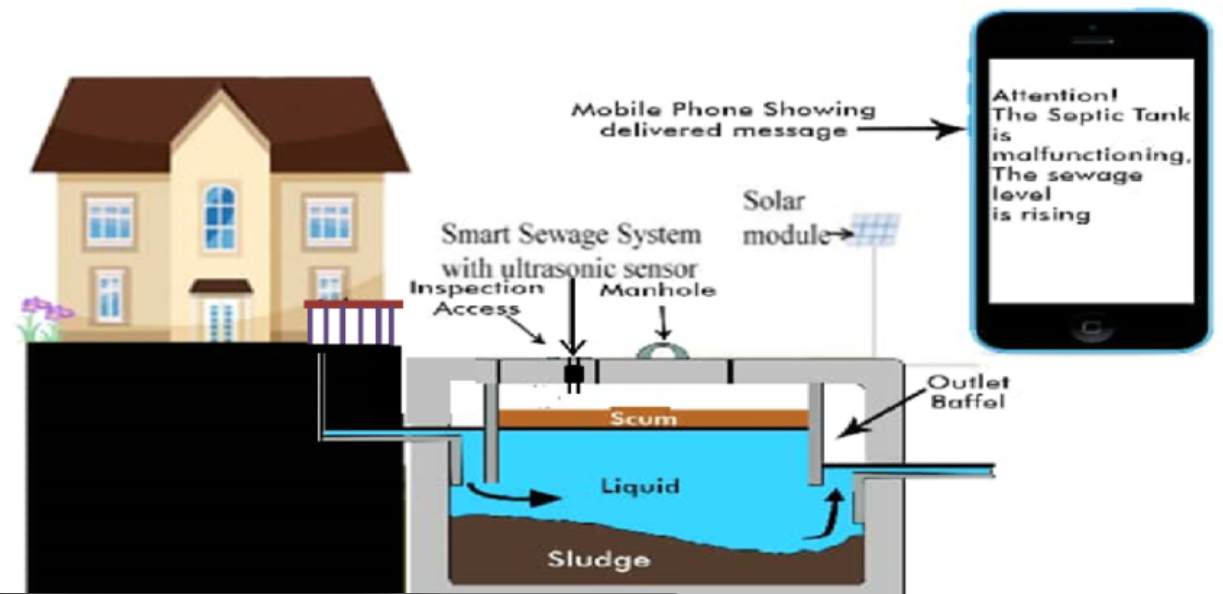
Remote monitoring systems use wireless sensors installed in septic tanks to track system performance and status. These sensors transmit real-time data to a centralized platform, alerting homeowners and service providers to potential issues such as system overloads or malfunctions. This proactive approach helps resolve problems early, improving reliability and extending system lifespan.
Benefits of Remote Monitoring
-
Preventive Maintenance – Real-time data allows for timely servicing, reducing costly repairs and environmental risks.
-
Peace of Mind – Homeowners gain confidence knowing their septic systems are monitored around the clock.
-
Operational Efficiency – Service providers can focus on systems that need immediate attention, reducing unnecessary site visits.
Enhancing Customer Satisfaction in Septic Services
Septic service providers can greatly improve customer satisfaction by combining decentralized wastewater treatment with remote monitoring solutions. Reliable, eco-friendly, and efficient services help meet evolving customer expectations.
Strategies for Improved Service
-
Regular Communication – Providing consistent updates builds trust and reassures homeowners about system performance.
-
Educational Initiatives – Informative resources and workshops help homeowners understand and manage their systems better.
-
Customized Solutions – Tailoring services to individual property needs ensures optimal performance and customer satisfaction.
Future Trends in Wastewater Management
The wastewater management industry continues to evolve, with several trends shaping its future:
-
Smart Technology Integration – AI and machine learning are increasingly used to predict failures and optimize system performance.
-
Sustainability Focus – Eco-friendly innovations will drive the next generation of wastewater treatment solutions.
-
Decentralized Networks – More communities are shifting away from centralized systems toward localized, cost-effective alternatives.
Conclusion
Decentralized wastewater treatment represents a major advancement in sustainable water management for homeowners using septic systems. When paired with remote monitoring technology, these systems deliver environmental benefits, cost savings, and improved service efficiency. Embracing these innovations is key to a cleaner, smarter, and more sustainable future.