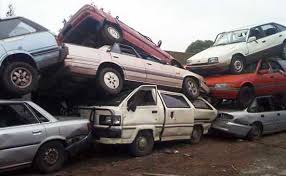
Old cars that no longer run often appear useless at first glance. In Brisbane, however, these vehicles still hold economic importance. Junk cars play a quiet but meaningful role in material recovery, local employment, and industrial supply chains. The process that turns unwanted vehicles into useful resources shows how waste can still support economic activity.
Understanding the economics behind junk cars helps explain why salvage yards exist, how materials are reused, and why discarded vehicles remain part of Brisbane’s wider economy.
Learn more: https://northbrisbanewreckers.com.au/
What Defines a Junk Car
A junk car is a vehicle that cannot be driven safely or repaired at a reasonable cost. Mechanical failure, accident damage, flood exposure, or age often lead to this status. Even when a car stops working, many of its parts and materials remain usable.
On average, a passenger vehicle contains steel, aluminium, copper, rubber, glass, and plastic. Steel alone makes up close to seventy percent of the vehicle by weight. These materials form the foundation of the economic worth of junk cars.
Material Recovery and Market Demand
Metal recovery is the main economic driver behind junk cars. Steel and aluminium are always in demand within construction, manufacturing, and transport sectors. Recycling metal requires far less energy than producing it from raw ore. Industry data shows that recycled steel saves around sixty percent of energy compared with new steel production.
Aluminium recycling saves even more energy, reaching levels near ninety five percent. This energy reduction lowers production costs for manufacturers, which keeps recycled metal markets active.
Copper wiring from vehicles is another sought-after material. Copper maintains strong conductivity after recycling, making it useful for electrical systems and infrastructure projects.
How Salvage Yards Generate Economic Activity
Salvage yards operate as organised dismantling centres. Each vehicle entering a yard goes through documentation and inspection. Parts that remain usable are removed first. Engines, transmissions, alternators, radiators, and suspension components often retain working life.
These parts supply repair workshops and restoration projects. Using reclaimed components reduces the need for new manufacturing, which lowers pressure on raw material extraction.
After part removal, the vehicle body is processed for metal recovery. Crushing and shredding prepare materials for smelting facilities. These facilities rely on a steady supply of scrap metal to meet production targets.
Employment Within the Salvage Sector
Cash for junk cars brisbane processing supports employment across several roles. Workers are involved in dismantling, sorting, equipment operation, logistics, administration, and compliance oversight. Transport operators move vehicles between collection points, yards, and recycling facilities.
Each stage of the process supports local income streams. Even though individual yards may appear small, their combined contribution across Brisbane forms a steady employment network tied to vehicle disposal and material recovery.
Cost Control Across Related Industries
Recycled vehicle materials help manage production costs across industries. Construction firms use recycled steel in beams and frameworks. Manufacturing plants rely on recycled aluminium for machinery parts and consumer products.
By lowering reliance on imported raw materials, recycled metals help stabilise supply chains. This stability supports consistent pricing and planning across multiple sectors linked to construction and infrastructure development.
The Role of Regulation in Economic Balance
Brisbane salvage yards operate under environmental and workplace rules. Fluid removal, waste handling, and hazardous material control are mandatory steps. While compliance requires investment, it prevents long-term damage costs linked to pollution or workplace injury.
Regulated operations protect surrounding land and waterways. Preventing contamination avoids future cleanup expenses that would otherwise burden public resources. In this way, regulation supports long-term economic sustainability.
Vehicles Affected by Weather Events
Queensland weather plays a role in junk car supply. Flooding events often damage vehicles beyond repair. Water exposure affects engines, electronics, and structural components. These vehicles often enter salvage yards in large numbers after major storms.
Although flood-damaged cars cannot return to the road, their materials still contribute to economic cycles. Metals recovered from these vehicles re-enter supply chains rather than becoming landfill waste.
Historical Shifts in Vehicle Economics
Decades ago, cars were repaired repeatedly due to limited replacement options. Salvage yards mainly supplied spare parts. As vehicle production increased and technology advanced, repair costs rose for older models.
Modern cars contain complex electronics that raise repair costs after serious damage. This shift has increased the number of vehicles classified as junk. While this change reduced long-term vehicle use, it increased material recovery volumes.
Training and Skill Development
Salvage yards serve as learning spaces for automotive trades. Apprentices gain exposure to engine systems, braking assemblies, fuel delivery components, and structural design. Handling real vehicles builds understanding that cannot be gained through manuals alone.
This training supports future employment across repair, manufacturing, and transport sectors. Skills developed during dismantling apply across many mechanical roles.
Secondary Markets and Restoration Projects
Classic vehicle restoration remains an active interest in Brisbane. Salvage yards provide original components that are no longer manufactured. These parts support restoration accuracy and preserve vehicle history.
Restoration projects create additional economic flow through workshops, paint suppliers, upholstery services, and event organisers. A single salvaged part can support multiple businesses before a restored vehicle reaches completion.
Transport and Logistics Costs
Moving vehicles from collection points to salvage yards involves fuel, equipment, and labour. Efficient routing and scheduling help control these costs. Centralised yards reduce travel distances between dismantling and processing stages.
While transport adds expense, the recovered materials often outweigh these costs through resale and recycling revenue.
The Broader Economic Picture
Junk cars form part of a circular economic system. Materials move from vehicles into industrial use, reducing demand for new extraction. This cycle supports resource conservation while keeping production active.
Even discussions around cash for junk cars brisbane reflect growing awareness that unwanted vehicles still hold economic weight rather than being treated as waste.
Conclusion
Turning scrap into economic output is not a symbolic idea in Brisbane. It is a working system built on material recovery, skilled labour, and regulated operations. Junk cars supply metals, parts, and learning opportunities that support many connected industries.
Each vehicle that enters a salvage yard contributes to this cycle. Though its driving days have ended, its role in the economy continues through recycled materials, reused components, and shared knowledge. In this way, junk cars remain part of Brisbane’s industrial and economic story long after leaving the road.