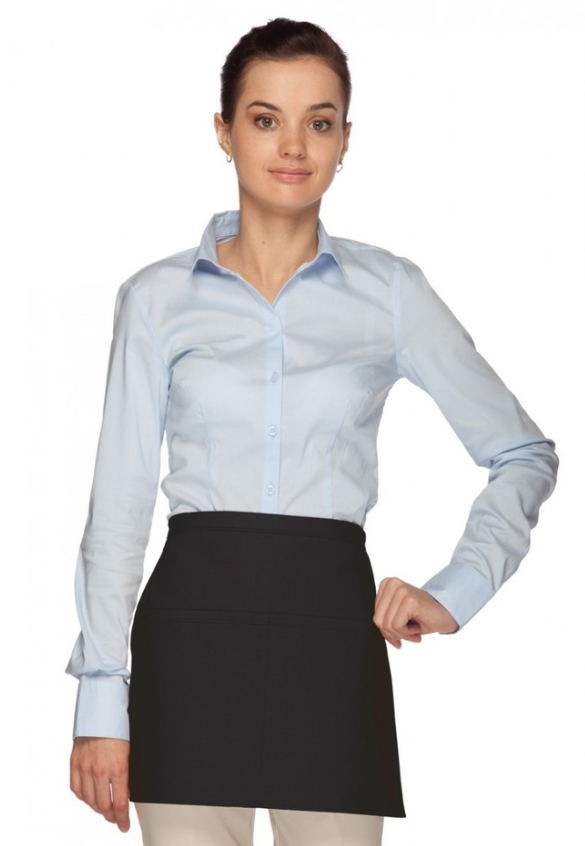
Aprons have long been a practical part of kitchens, workshops, cafés, and creative spaces. While their core purpose is protection, the style and design of an apron can greatly influence comfort, efficiency, and overall usability. Choosing between a waist apron and a full apron is not simply a matter of preference; it depends on how you work, what you do, and how much coverage you actually need. A waist apron, for example, offers freedom of movement and easy access, while a full apron provides comprehensive protection. Understanding these differences helps you make a practical decision rather than an aesthetic one.
Understanding the Purpose of an Apron
Before comparing styles, it is important to understand why aprons exist in the first place. An apron acts as a barrier between your clothing and spills, splashes, stains, and debris. In professional settings, aprons also support efficiency by providing pockets for tools, utensils, or notepads. At home, they offer convenience and help reduce laundry by protecting everyday clothing.
Different environments demand different levels of protection. A baker handling flour, a chef working with hot oil, or a barista managing liquids all face distinct challenges. The design of the apron should align with those daily tasks, which is where the comparison between waist and full aprons becomes meaningful.
What Is a Waist Apron?
A waist apron is tied around the waist and typically covers the lower half of the body. It often ends around the knees or slightly above, depending on the design. These aprons are commonly used in restaurants, cafés, and bars where quick movement and accessibility matter.
Most waist aprons feature multiple pockets, making them ideal for holding order pads, pens, towels, or small tools. Because they leave the upper body uncovered, they are lighter and less restrictive, especially in fast-paced environments.
What Is a Full Apron?
A full apron, also known as a bib apron, covers the body from the chest down to the knees or lower. It usually includes neck straps and waist ties to secure it in place. This style is widely used in home kitchens, bakeries, and professional cooking environments where spills are frequent.
Full aprons are designed for maximum coverage. They protect both upper and lower clothing from stains, splashes, and heat. Some designs include adjustable straps and large pockets, balancing comfort with functionality.
Coverage and Protection: A Key Difference
The most obvious distinction between waist aprons and full aprons is the level of coverage they provide. Waist aprons protect only the lower half of the body. This is sufficient for tasks where spills are minimal or predictable, such as serving food or light food preparation.
Full aprons, on the other hand, offer comprehensive protection. They shield the chest and torso, making them better suited for activities involving oil splatter, sauces, or messy ingredients. If keeping your entire outfit clean is a priority, full aprons clearly hold an advantage.
Comfort and Freedom of Movement
Comfort plays a major role in deciding which apron works better. Waist aprons are generally lighter and less restrictive. Without straps around the neck or shoulders, they reduce strain and allow for greater mobility. This is especially valuable during long shifts or tasks that involve frequent bending and walking.
Full aprons can feel heavier, particularly if made from thick or durable fabrics. Neck straps may cause discomfort over time if not properly adjusted. However, modern designs with cross-back straps and breathable materials have significantly improved comfort levels.
Practicality in Different Work Environments
Different settings call for different apron styles. In restaurants and cafés, waist aprons are often preferred because they allow staff to move quickly and interact with customers without bulky coverage. Their pockets make them highly practical for service roles.
In home kitchens or professional cooking spaces, full aprons are more practical. Cooking often involves unpredictable splashes and stains, making full coverage essential. Bakers, grill cooks, and anyone working with liquids or heat tend to benefit more from full aprons.
Style and Appearance Considerations
While function comes first, appearance also matters. Waist aprons often look more streamlined and professional in service environments. They blend easily with uniforms and do not obscure clothing, which can be important in customer-facing roles.
Full aprons, meanwhile, project a traditional and hands-on image. They are often associated with chefs, artisans, and home cooks. With a wide variety of colors, fabrics, and patterns available, full aprons can also serve as a personal style statement.
Ease of Use and Maintenance
Ease of use is another important factor. Waist aprons are quick to put on and remove, making them ideal for tasks that require frequent changes. They are also easier to wash and dry due to their smaller size.
Full aprons take slightly more time to wear properly, especially if they include adjustable straps. They may also require more care during washing, particularly if made from heavier fabrics. However, their durability often compensates for the extra maintenance effort.
Cost and Durability
In general, waist aprons tend to be more affordable because they use less material. They are a practical choice for businesses that need multiple aprons for staff. However, their limited coverage may lead to more frequent clothing replacement if spills occur.
Full aprons may cost more upfront, but their durability and protective benefits often make them a worthwhile investment. High-quality full aprons can last for years, especially when made from sturdy fabrics like canvas or denim.
Which One Actually Works Better?
The answer depends entirely on how and where you plan to use the apron. Waist aprons excel in environments that prioritize speed, mobility, and easy access to tools. They are efficient, lightweight, and practical for service-oriented tasks.
Full aprons work better when protection is the primary concern. They are ideal for cooking, baking, grilling, and creative work that involves mess. Their comprehensive coverage reduces stress and allows you to focus on the task without worrying about stains.
Making the Right Choice for Your Needs
Rather than viewing this as a competition, it is more helpful to see waist aprons and full aprons as solutions for different needs. Many professionals and home users own both, switching based on the task at hand. If your work involves frequent movement and minimal mess, a waist apron may be the smarter option. If your tasks involve heat, liquids, or heavy ingredients, a full apron is likely the better choice.
Ultimately, comfort, coverage, and practicality should guide your decision. By understanding how each style functions, you can choose with confidence and ensure that your apron supports your daily routine rather than getting in the way. When chosen thoughtfully, both styles can easily earn a place among the best aprons for cooking.