Dubai highways are fast, wide, and well maintained. Still, many breakdowns happen on these roads every day. Cars that feel fine in the city often fail on highways. Speed, heat, and long distances expose problems quickly.
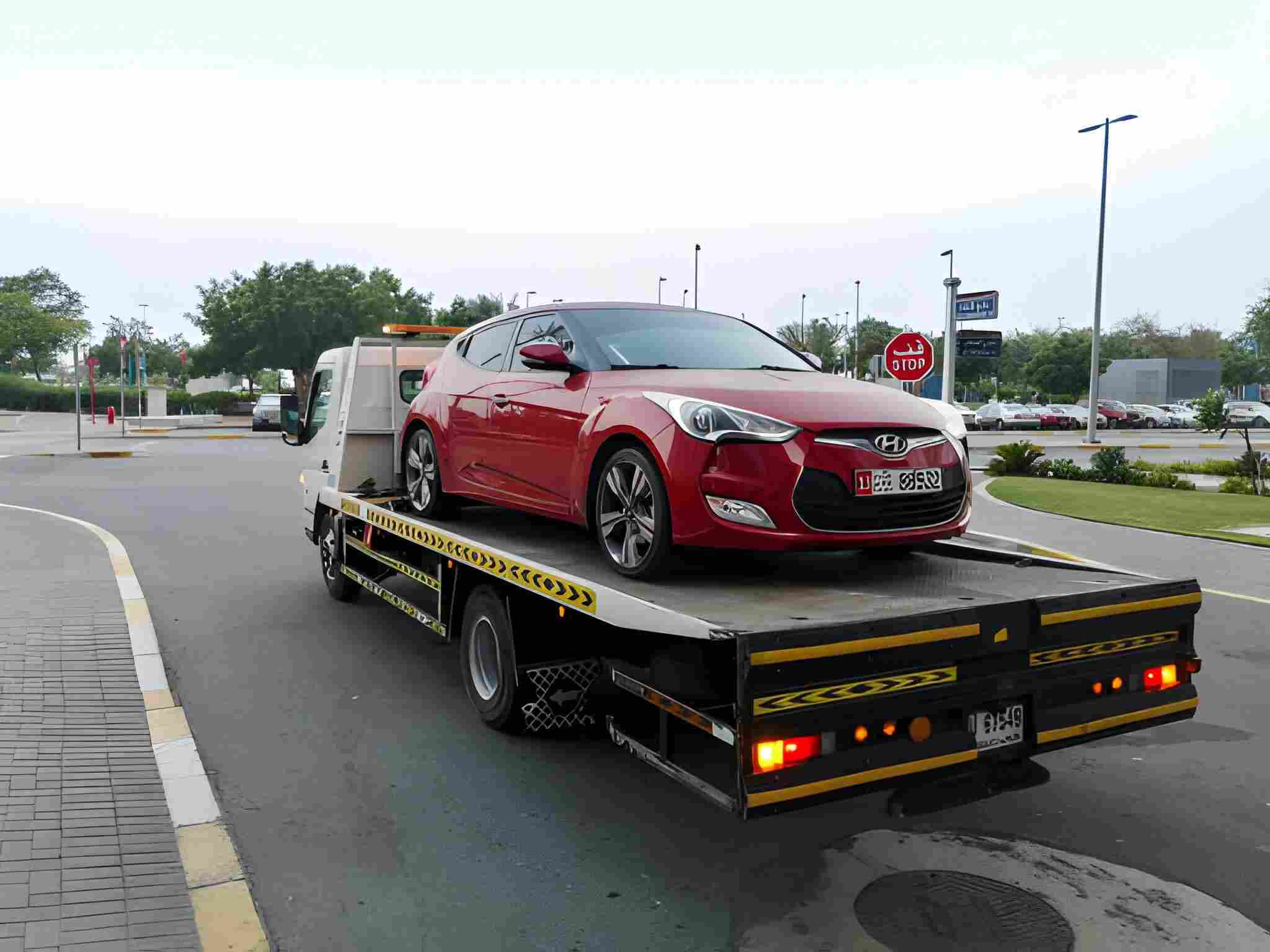
When a car stops on a highway, drivers usually search “recovery near me” immediately. Highway breakdowns feel dangerous and leave little room for mistakes.
Understanding why these breakdowns happen helps drivers stay safe and prepared.
1. Continuous High Speed Increases Heat
Highway driving keeps engines working hard.
RPM stays high for long periods. Heat builds up inside the engine, transmission, and exhaust system.
If cooling systems are weak, temperatures rise quickly and force shutdowns.
2. Cooling Systems Face Maximum Pressure
Radiators work nonstop on highways.
Any blockage, leak, or weak fan reduces cooling efficiency. Even small issues cause overheating at high speed.
Drivers often notice warning lights only moments before failure.
3. Tire Failures Are Common on Highways
High speed stresses tires.
Low pressure, worn tread, or old rubber increases blowout risk. Dubai heat makes it worse.
A sudden tire failure can force an immediate stop and require recovery.
4. Engine Oil Breaks Down Faster
Oil lubricates moving parts.
At high speed, oil temperature rises. Old or low oil loses protection.
This causes friction, overheating, and sudden engine shutdowns.
5. Fuel System Problems Appear Under Load
Highway driving demands steady fuel flow.
Weak pumps or clogged filters cannot keep up. The engine loses power suddenly.
Cars may stall while moving or shut down completely.
6. Transmission Stress at High Speed
Automatic transmissions work continuously.
Heat builds in gears and fluid. If maintenance is delayed, the system may slip or lock.
Drivers feel hesitation before total shutdown.
7. Battery Charging Issues Become Visible
Highways expose electrical problems.
If the alternator struggles, voltage drops under load. Sensors misfire. Systems shut down.
Once stopped, the car often cannot restart.
8. Warning Signs Are Harder to Notice
High speeds reduce reaction time.
Drivers miss smells, sounds, or small vibrations. Warning lights appear too late.
By the time drivers react, damage is already done.
9. Sudden Stops Are More Dangerous on Highways
Highway shoulders are limited.
Stopping safely is harder. Traffic moves fast. Risk increases quickly.
That is why professional recovery is essential.
10. When to Search “Recovery Near Me” on Highways
Search immediately if:
- Engine temperature rises
- Power drops suddenly
- Warning lights flash
- Tire damage occurs
- Smoke appears
Fast action prevents accidents.
11. What to Do During a Highway Breakdown
If breakdown happens:
- Turn on hazard lights
- Move to shoulder carefully
- Stay inside with seatbelt on
- Exit only if safe
- Share precise location
Safety always comes first.
12. Why Restarting on Highways Is Risky
Restarting stressed systems can worsen damage.
Engines and transmissions need inspection, not pressure.
Waiting for recovery reduces danger.
13. Preventing Highway Breakdowns
Drivers can reduce risk:
- Check tires and pressure
- Maintain cooling systems
- Change oil on time
- Watch warning signs
- Avoid pushing the car in heat
Preparation saves time and money.
14. Night Highway Driving Increases Risk
Visibility drops at night.
Problems go unnoticed longer. Response time slows.
Breakdowns feel more stressful after dark.
15. Why Recovery Services Matter on Highways
Highway recovery requires skill.
Professionals manage traffic risks and load vehicles safely.
This protects both drivers and other road users.
Conclusion
Dubai highways expose weak vehicles quickly. Heat, speed, and long distances push systems to their limits.
That is why drivers often search “recovery near me” during highway breakdowns. Fast, professional recovery keeps situations safe and controlled.
Drivers who prepare well, maintain vehicles, and react calmly reduce risks on Dubai highways.