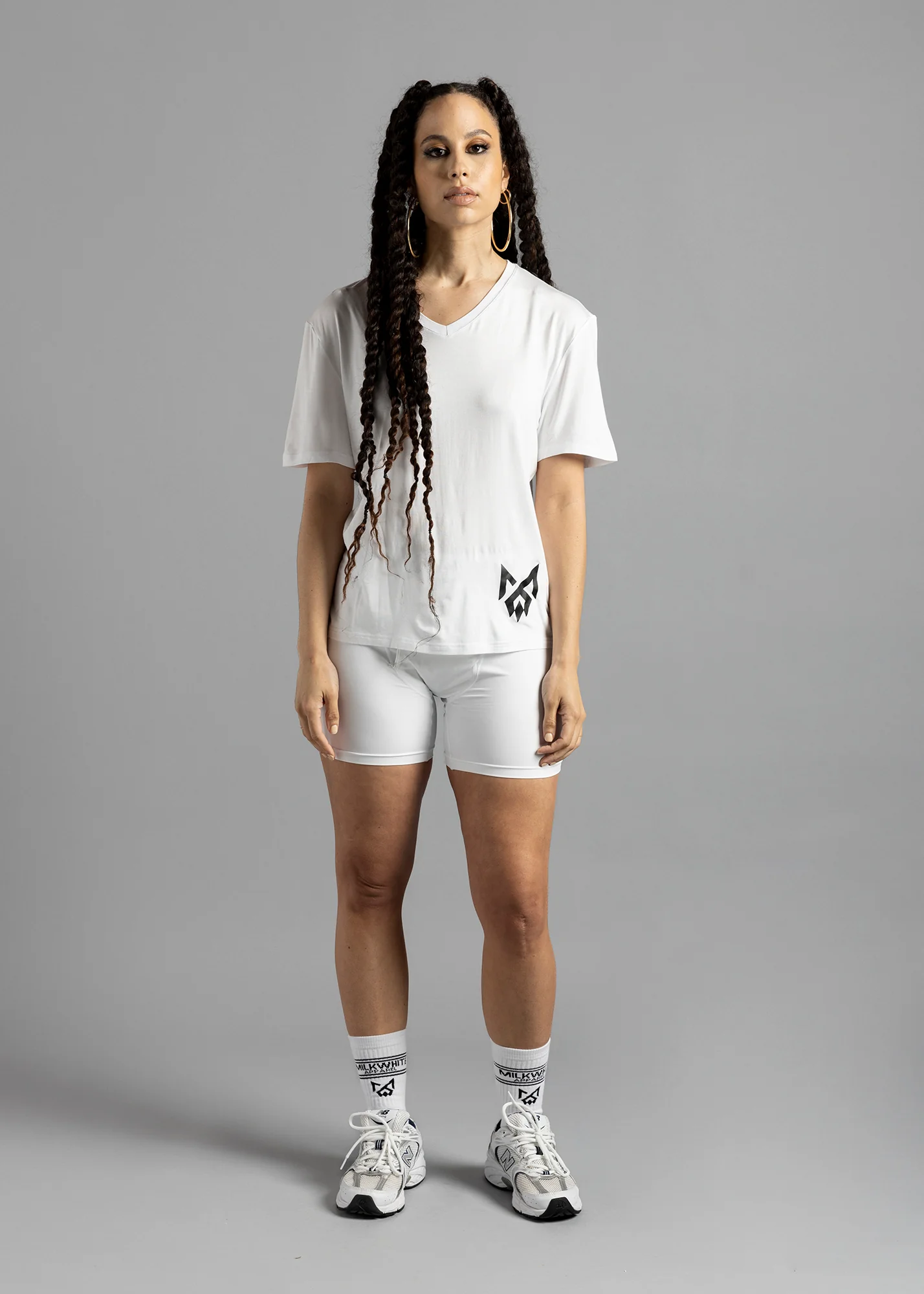
Bought a shirt last month. Looked amazing in the store—perfect fit, great color, exactly what I needed. Washed it once. Once. And suddenly it’s three sizes bigger, the color’s this weird faded mess, and there’s pills everywhere like it aged ten years overnight.
That’s when I realized something had to change.
Most brands will tell you their fabrics are “high quality” or whatever. But walk into any store and you’ll see racks full of clothes that won’t make it past summer. Thin material that feels wrong the second you touch it. Stitching that’s already coming loose. And don’t even get me started on how everything shrinks in ways that defy physics.
We got tired of watching people waste money on garbage. So when we built our collections, fabric became the thing we obsessed over. Not patterns, not trends—fabric first. Because if the material sucks, nothing else matters. This whole approach ties directly into ethical fashion, which isn’t some marketing angle for us. It’s about treating people right—the ones making clothes and the ones wearing them. Plus, not trashing the environment in the process would be nice too.
Good Fabric vs. Whatever That Other Stuff Is
Premium fabric isn’t complicated. It’s material that does what it’s supposed to do.
Cotton that breathes when it’s hot. Linen that somehow gets more comfortable after every wash (seriously, how does that work?). Fabrics that move when you move instead of fighting you all day. We source organic cotton because pesticides are horrible for farmers and soil. Modal because it drapes perfectly without that synthetic feel. Even our blends—when we use polyester or elastane—come from suppliers who aren’t cutting every possible corner.
Here’s what nobody talks about: cheap fabric feels wrong immediately. You know it when you touch it. That papery texture, the stiffness, how it sits weird on your body. Your brain registers something’s off even if you can’t explain why.
Good fabric? You forget you’re wearing it. That’s the difference.
Why Everything’s So Cheap Now (And Why That’s Bad)
Fast fashion basically convinced everyone that a ten-dollar dress is normal. It’s not. Someone’s getting screwed in that equation, and it’s usually the person sewing your clothes in a factory somewhere making almost nothing.
Plus there’s the whole environmental disaster angle. Chemical dyes dumped into rivers. Synthetic fabrics that are basically plastic. Cotton grown with enough pesticides to destroy ecosystems. All so brands can sell you a shirt for less than a coffee.
Look, I’m not judging anyone’s budget. Money’s real. But when you buy something cheap that falls apart in two months, you end up spending more replacing it anyway. That’s the trap. Better to buy one good thing that lasts than five trash things that don’t.
And yeah, this is exactly why we’re particular about what goes into our collections. Every fabric gets vetted—where it came from, who made it, how it was processed. Can’t verify something? We don’t use it. Simple.
What Wearing Good Fabric Actually Feels Like
There’s this moment when you put on something made from quality material. Everything just… works. The fit’s better because the fabric drapes right. Temperature control actually functions—not too hot, not too cold. The texture against your skin doesn’t irritate you or feel scratchy.
Colors stay true wash after wash. Shapes hold. Seams don’t randomly split open because the material couldn’t handle normal movement. These sound like basic expectations but apparently they’re not anymore.
I’ve got shirts from three years ago that still look new. Not because I baby them—I wear and wash them constantly. They last because the fabric’s built to last. That’s it. No magic, just quality materials properly constructed.
Our Whole Deal With Sourcing
We work with mills directly. Not middlemen, not wholesalers who source from who-knows-where. Direct relationships mean we actually know what we’re getting.
Every supplier gets questioned. Fair wages? Safe working conditions? Environmental standards that aren’t just for show? These aren’t negotiable points. And some suppliers don’t like all the questions, which is fine—we’ll find someone else.
This process takes forever. And costs more. Could we speed things up by being less picky? Sure. But then we’d be selling the same stuff everyone else does, and what’s the point of that?
Sometimes people ask why we don’t just scale up faster, pump out more collections, chase every trend. Because that’s not what this is about. We’d rather make fewer things that actually matter than flood the market with more disposable fashion.
Why Your Closet Deserves Better
You’ve got that one piece you always grab, right? The jeans that fit perfectly, the shirt that works for everything, the jacket you’ve worn a hundred times. Bet it’s made from decent fabric.
That’s what we’re building toward. Entire collections where every single piece becomes someone’s favorite. Where you’re shopping for men’s and women’s clothing based on what’ll actually work in your life, not what some influencer wore last week.
Premium materials mean buying less but owning better. Your wardrobe becomes this curated thing instead of a packed closet full of stuff you never wear. And honestly? Getting dressed becomes easier when everything you own actually fits and feels right.
Quality fabric changes the whole equation. You stop thinking about clothes constantly because what you have just works.
Bottom Line (Without The Corporate Speak)
We choose premium fabrics because the alternative is contributing to a system that’s already broken. More waste, more exploitation, more environmental damage—for what? So someone can buy a shirt they’ll hate in three weeks?
Nah. We’re good.
This approach isn’t always easy. It’s definitely not the most profitable way to run a clothing brand. But we started this whole thing because we were frustrated with the options out there. If we’re just gonna make more of the same garbage, why bother?
So yeah, fabric quality matters. A lot. More than branding, more than trends, more than any of the surface-level stuff people usually focus on.
You wear clothes every single day. Might as well make sure they’re actually worth wearing.