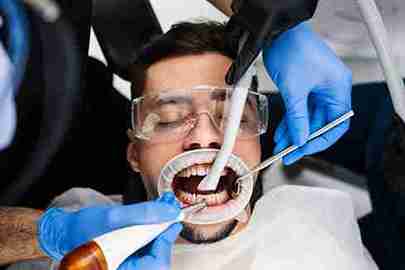
Dental crowns are one of the most common restorative treatments in modern dentistry, yet many patients remain unsure about what they involve and why they might need them. Whether it’s to protect a weakened tooth, restore functionality, or improve aesthetics, understanding dental crowns is essential for making informed decisions about oral health.In this article, we explore five key facts that everyone should know about dental crowns. From their purpose and types to maintenance tips and considerations before treatment, these insights will help you navigate your options confidently.
1. What Are Dental Crowns?
A dental crown is essentially a cap that fits over a damaged or weakened tooth to restore its shape, strength, and appearance. Crowns are typically used in cases where:
- A tooth has been severely decayed
- After a root canal procedure
- Teeth are cracked or chipped
- Cosmetic improvements are desired
Dental crowns not only protect the underlying tooth structure but also restore normal functionality, allowing patients to chew, speak, and smile confidently. Crowns are custom made to match the natural colour and shape of the surrounding teeth, ensuring a seamless appearance.By understanding what a crown does, patients can appreciate its role not just in aesthetics, but also in overall oral health and tooth preservation.
2. Types of Dental Crowns
There are several types of crowns available, each with its own advantages depending on the patient’s needs, budget, and desired results. Here’s a breakdown:
| Crown Type | Description | Pros | Cons |
| Porcelain/Ceramic | Matches natural tooth colour | Highly aesthetic, stain resistant | Less durable for heavy biting |
| Metal | Gold, platinum, or other alloys | Extremely durable, long lasting | Less aesthetic, visible in smile |
| Porcelain Fused to Metal (PFM) | Combines metal strength with porcelain appearance | Balance of strength and aesthetics | Porcelain may chip over time |
| Zirconia | Advanced ceramic with high strength | Strong, natural appearance | Can be abrasive to opposing teeth |
Choosing the right material often depends on the location of the tooth, functional needs, and cosmetic preferences. A dentist will guide patients through these choices to find the best fit.For residents in Cardiff looking for a reliable option, tooth crown Cardiff services offer customised solutions that balance durability and aesthetics, ensuring long lasting results.

3. Benefits of Dental Crowns
Dental crowns offer a range of benefits beyond improving the appearance of teeth. Here are the main advantages:
- Protection: Crowns shield weakened teeth from further damage, decay, or wear.
- Restoration: They restore the tooth’s shape, size, and strength, improving chewing and speech.
- Aesthetic Improvement: Crowns can enhance the colour, shape, and alignment of teeth, creating a natural looking smile.
- Longevity: With proper care, dental crowns can last 10–15 years or more, making them a durable solution.
- Confidence Boost: Crowns help patients regain self esteem by restoring a complete and attractive smile.
Dental crowns are not just a cosmetic solution; they are an essential part of restorative dentistry, providing structural support and protection while maintaining oral health.
4. Caring for Your Dental Crowns
Proper care is crucial to ensure your dental crowns last as long as possible. Even the strongest crown can be damaged by neglect or poor oral habits. Here are some expert tips for crown care:
- Maintain Good Oral Hygiene: Brush twice daily and floss carefully around the crowned tooth to prevent plaque build up and gum disease.
- Avoid Hard or Sticky Foods: Chewing ice, hard candy, or sticky sweets can crack or dislodge crowns.
- Wear a Mouthguard if Necessary: If you grind your teeth at night (bruxism), a custom nightguard protects both crowns and natural teeth.
- Regular Dental Check Ups: Professional cleaning and examination detect potential issues early and ensure crowns remain secure and functional.
- Avoid Using Teeth as Tools: Don’t open packaging or bite fingernails with crowned teeth, as this can cause damage.
Quick Care Tips Table
| Do | Don’t |
| Brush gently with a soft toothbrush | Bite hard objects like ice or pens |
| Floss daily | Chew sticky sweets excessively |
| Use fluoride toothpaste | Ignore early signs of discomfort |
| Visit your dentist regularly | Skip routine dental check ups |
Following these practices ensures crowns maintain their appearance, functionality, and durability for many years.

5. Considerations Before Getting a Crown
Before undergoing crown placement, there are several important factors to consider:
- Cost and Insurance: Crowns can vary in price depending on the material and complexity. Check coverage with your dental insurance provider.
- Material Choice: The choice of crown material affects durability, aesthetics, and cost. Discuss options with your dentist.
- Existing Dental Conditions: Teeth with decay, cracks, or gum issues may need preliminary treatment before crowning.
- Potential Sensitivity: Some patients may experience temporary sensitivity after crown placement, which usually resolves with time.
Being informed about these considerations helps ensure a smooth procedure and long lasting results. Patients looking for expert guidance in the area can explore professional services for dental implant Cardiff alongside crowns, providing a comprehensive solution for both functional and cosmetic dental needs.
Signs You May Need a Dental Crown
Dental crowns are essential for restoring tooth function and appearance, but how do you know when you need one? Key signs include:
- Severe Tooth Decay: Pain, sensitivity, or visible cavities indicate a weakened tooth.
- Cracked or Chipped Teeth: Even minor cracks can worsen without protection.
- After Root Canal Therapy: Teeth become fragile post treatment and benefit from a crown.
- Worn Down Teeth: Grinding or erosion can compromise structure.
- Cosmetic Concerns: Discolored, misshapen, or uneven teeth may need crowns for a uniform smile.
Recognizing these signs early helps prevent further damage and ensures long term dental health
Conclusion
Dental crowns are a versatile and effective solution for restoring, protecting, and enhancing your teeth. From understanding the types and benefits to learning how to care for them and knowing what to consider before treatment, being well informed helps patients make confident decisions about their oral health.For expert cosmetic and restorative dental care in Cardiff, Smilo Dental Implant Cardiff offers personalised solutions, including Dental Implant and Tooth Crown services, ensuring your smile remains healthy, functional, and beautiful for years to come.