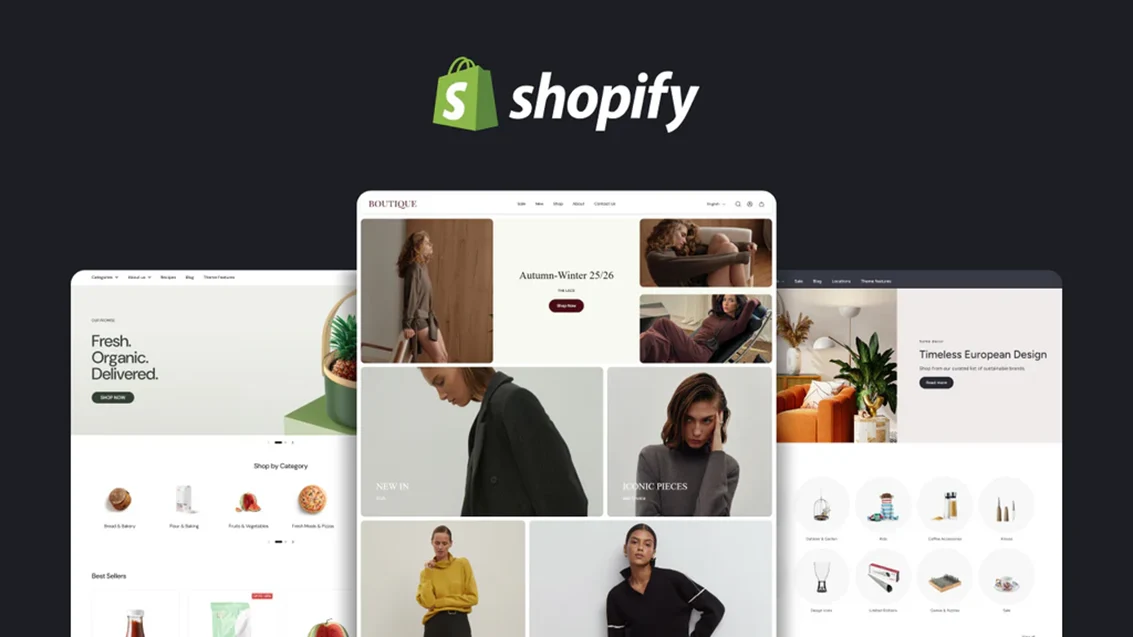
An attractive online store can help a brand make a strong first impression, but appearance alone does not guarantee sales. Customers expect websites to load quickly, display products clearly, offer convenient navigation, and provide a smooth checkout experience. Even small usability problems can cause shoppers to leave before completing a purchase.
This is why working with an experienced Shopify web development agency can make a meaningful difference. The right development partner focuses on more than building a visually appealing storefront. It creates an ecommerce experience that supports customer expectations, business goals, and long-term growth.
Starting With a Clear Ecommerce Strategy
Before development begins, a professional agency needs to understand the business. Its target audience, product range, competitors, brand identity, and sales objectives all influence the website structure.
For example, a fashion retailer may need detailed product galleries, size guides, and collection filters, while a business selling specialized equipment may require technical specifications and comparison features.
Understanding these requirements early helps prevent unnecessary design changes and ensures that important functionality is considered from the beginning.
Creating a Customer-Friendly Website Structure
Navigation should make product discovery simple. Categories need to be organized logically, search functionality should be easy to access, and important information should not be hidden behind unnecessary clicks.
A well-planned Shopify store also includes useful product descriptions, clear pricing, shipping information, and visible calls to action. These details help shoppers make purchasing decisions with greater confidence.
Designing Landing Pages That Encourage Action

A product page or promotional landing page often determines whether a visitor takes the next step. This is where the expertise of a landing page agency becomes particularly valuable.
Effective landing pages focus on one clear objective, such as promoting a product, collecting leads, or encouraging customers to explore a specific offer.
Strong headlines, relevant product images, persuasive descriptions, customer testimonials, and strategically placed buttons can help guide visitors toward that objective.
However, adding more elements does not automatically improve conversions. Too many pop-ups, competing offers, or distracting animations may make the experience frustrating.
Improving Performance and Mobile Shopping Experiences
Website speed is an important part of ecommerce usability. Large image files, excessive applications, and poorly optimized scripts can slow down a Shopify store.
An experienced development team should review theme performance, optimize images, remove unnecessary functionality, and test important pages. Google’s Core Web Vitals also provide useful measurements related to loading performance, interactivity, and visual stability.
Mobile responsiveness deserves equal attention. Since customers frequently browse and shop through smartphones, product images, navigation menus, buttons, and checkout elements should work comfortably on smaller screens.
Using SEO and Analytics to Support Conversions
A high-converting website also needs to attract relevant visitors. Search-friendly collection pages, descriptive product titles, optimized metadata, internal links, and useful content can strengthen organic visibility.
Analytics provides another layer of insight. Businesses can monitor conversion rates, cart abandonment, traffic sources, and landing page performance to understand where shoppers encounter difficulties.
Rather than making random design changes, agencies can use this information to prioritize improvements. A/B testing different headlines, page layouts, or calls to action can also reveal which variations perform better.
Choosing the Right Development Partner
Before hiring an agency, review its Shopify portfolio, technical capabilities, communication process, and experience with ecommerce projects. Ask whether it provides ongoing support after launch and how it approaches performance optimization.
Custom development offers flexibility, but it can require more time and investment than using an existing theme. Businesses should weigh these factors against their actual requirements instead of assuming that every store needs a completely custom build.
Building an Ecommerce Store That Grows With the Brand

A successful Shopify website brings together thoughtful design, reliable functionality, search optimization, and a clear customer journey. Working with a capable Shopify web development agency can help businesses create a storefront that supports these priorities while remaining adaptable as the brand expands.
The most effective approach is to treat website development as an ongoing investment. Regular testing, customer feedback, and performance improvements can help a store remain useful, competitive, and conversion-focused over time.