
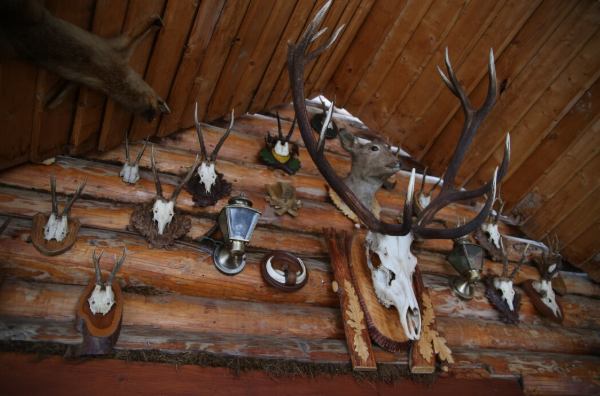
Taxidermy, the practice of preserving the bodies of animals for display, has been a respected art form for centuries. Among the many fascinating branches of taxidermy, mounting birds and other animals stands out for its unique combination of scientific precision, artistic skill, and deep appreciation for wildlife. From avid hunters and bird enthusiasts to museum curators, the art of animal taxidermy continues to captivate people around the world.
Understanding Bird and Animal Taxidermy
At its core, animals taxidermy is the process of preserving an animal’s form and features so that it can be displayed in a lifelike manner. Whether it is a majestic eagle perched on a branch or a small songbird frozen in mid-flight, taxidermists aim to capture the natural essence of the creature. Unlike other forms of preservation, taxidermy requires a meticulous attention to detail, ensuring that the final product not only looks realistic but also retains the unique characteristics of the species.
Mounting birds is a specialized area within taxidermy. Birds are delicate creatures, with feathers that can be easily damaged if not handled correctly. Proper bird mounting involves careful skinning, cleaning, and positioning of the bird on a custom-made form or mount. This process preserves not only the bird’s appearance but also its posture, creating an authentic and lifelike display.
The Process of Mounting Birds
Mounting birds in taxidermy requires precision, patience, and a deep understanding of avian anatomy. The process typically involves several steps:
- Skinning and Preparation: The first step in bird taxidermy is the careful removal of the skin. Unlike larger animals, birds require delicate handling to ensure that feathers remain intact. The skin is then treated to prevent decay and maintain flexibility.
- Form Creation: Taxidermists use either commercially available forms or custom-made molds to recreate the bird’s body. These forms provide the necessary support for the skin and feathers while maintaining a natural shape.
- Positioning: Birds can be mounted in various poses, from standing on a branch to taking flight. The taxidermist must study the bird’s natural behavior and anatomy to ensure an accurate representation.
- Feather Arrangement: Feathers are carefully positioned and, if necessary, glued or stitched into place. This step is crucial for creating a lifelike appearance, as feathers play a major role in defining a bird’s character and expression.
- Finishing Touches: Eyes, beak, and claws are often made from high-quality synthetic materials or real preserved parts to enhance realism. The final touches may also include a carefully designed habitat or base to mimic the bird’s natural environment.
Animals Taxidermy Beyond Birds
While bird taxidermy is highly specialized, the broader field of animals taxidermy encompasses a wide variety of species, from deer and bears to exotic creatures like big cats or reptiles. Each type of animal presents its own set of challenges and requires tailored techniques. For example, large mammals may need reinforced mounts to support their weight, while small mammals often require intricate detailing to preserve delicate features.
Animals taxidermy is not just for private collectors. Museums, educational institutions, and wildlife centers use mounted animals to educate the public about species behavior, anatomy, and conservation. A well-executed mount can offer viewers an up-close experience of wildlife, fostering appreciation and awareness for natural habitats and ecosystems.
The Artistic Aspect of Taxidermy
Many people may think of taxidermy purely as a scientific endeavor, but it is equally an art form. The taxidermist must consider posture, expression, and context to create a display that feels alive rather than static. Mount birds are often designed to capture a moment in time—perhaps a bird landing on a branch or stretching its wings before flight. Similarly, animals can be posed in dynamic or naturalistic stances to convey movement and vitality.
Artistic taxidermy also allows for creative interpretation. Some taxidermists incorporate elaborate scenes, combining plants, rocks, and other elements to create a miniature ecosystem around the mounted animal. This approach not only enhances visual appeal but also educates viewers about the animal’s natural surroundings.
The Role of Taxidermy in Conservation
Contrary to misconceptions, animals taxidermy is closely tied to conservation efforts. Many museums and research institutions use taxidermy to preserve specimens of endangered or extinct species. These mounts provide valuable opportunities for study, helping scientists understand anatomy, behavior, and evolutionary traits. For example, a mounted bird species that has become rare in the wild can serve as a reference for researchers, educators, and conservationists.
Furthermore, taxidermy can promote wildlife appreciation. By showcasing animals in lifelike poses, people develop a stronger connection to nature, inspiring them to support conservation initiatives. Taxidermy is thus a bridge between art, science, and environmental awareness.
Choosing a Taxidermist
Selecting a skilled taxidermist is essential for anyone looking to mount birds or preserve other animals. Expertise, attention to detail, and ethical practices are key considerations. A reputable taxidermist should:
- Follow legal regulations regarding wildlife.
- Use quality materials and preservation techniques.
- Provide guidance on posing, display, and maintenance.
Many taxidermists also offer custom mounts, ensuring that the animal is displayed according to the client’s vision while maintaining anatomical accuracy.
Ethical Considerations
Modern taxidermy emphasizes ethical sourcing and sustainability. Most professional taxidermists use animals that were legally hunted, died of natural causes, or were part of conservation programs. This approach ensures that taxidermy contributes positively to education and appreciation without harming wildlife populations.
Conclusion
The art of mounting birds and other animals through taxidermy is a unique blend of science, art, and conservation. Each mount captures the beauty, character, and essence of wildlife, allowing people to experience nature up close in ways that photography alone cannot provide. From intricate feather arrangements on birds to lifelike poses of mammals, animals taxidermy is both a preservation technique and a celebration of life.
For collectors, educators, or anyone with a passion for wildlife, taxidermy offers a timeless way to honor and remember the natural world. Whether displayed in a home, museum, or classroom, a well-executed mount serves as a reminder of the intricate beauty of birds and animals and the importance of preserving them for generations to come.