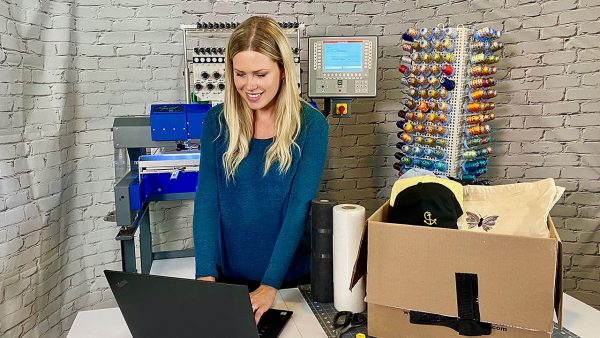
Hey there, creative folks! If you’ve ever dabbled in embroidery or digital crafting, you know how thrilling it is to turn a simple image into something stitchable and tangible. Whether you’re a hobbyist designing custom patches or a pro creating branded merchandise, converting your artwork and photos into the EXP format opens up a world of possibilities. This format, popular in the embroidery world, allows machines like those from Melco to read and execute intricate designs with precision. In this guide, we’ll walk you through everything you need to know to make that transformation smooth and effective. By the end, you’ll master how to convert JPG to EXP.
What Is EXP Format and Why Use It?
Let’s start with the basics. EXP stands for Expanded Stitch Format, a file type specifically tailored for embroidery software and machines. Unlike standard image files like JPG or PNG, which store pixels, EXP files contain stitch data—think needle points, thread colors, and sewing sequences. This makes them essential for turning flat visuals into embroidered masterpieces.
You might wonder why bother with EXP at all. Well, if you work with embroidery, this format ensures your designs translate accurately to fabric. It preserves details like gradients, outlines, and textures that regular images can’t convey to a machine. Plus, it’s compatible with a range of equipment, making it a go-to for professionals. Imagine taking a family photo and embroidering it onto a quilt—that’s the magic EXP unlocks. Without it, your artwork stays digital, but with it, you bring ideas to life on threads.
Essential Tools and Software for Conversion
Before diving into the process, gather your toolkit. You don’t need fancy gear; a decent computer and the right software do the trick. Popular options include Wilcom Hatch, Embrilliance StitchArtist, or even free trials of professional suites like Melco DesignShop. These programs digitize images, meaning they interpret pixels as stitches.
If you’re on a budget, check out open-source alternatives like Ink/Stitch, an extension for Inkscape. It handles basic conversions without breaking the bank. You’ll also want image editing software like Adobe Photoshop or GIMP to prep your files—clean up edges, adjust colors, and simplify designs. Remember, the clearer your starting image, the better your EXP output. Pair this with a scanner or camera for digitizing physical artwork, and you’re set.
Step-by-Step Process to Convert Your Images
Now, let’s get hands-on. Converting artwork or photos to EXP isn’t rocket science, but it requires attention to detail. Follow these steps, and you’ll create stitch-ready files in no time.
First, prepare your image. Open your JPG or photo in an editing program. Crop unnecessary parts, enhance contrast, and reduce colors to about 10-15 shades—embroidery threads aren’t infinite! Save it as a high-resolution file to avoid pixelation.
Next, import the image into your digitizing software. In something like Hatch, use the “Digitize” tool to trace outlines. For photos, apply auto-digitizing features that map areas to stitch types: satin for smooth fills, running stitches for outlines. Adjust density—too high, and your fabric puckers; too low, and details fade.
Then, assign colors. Match your image’s palette to thread colors from brands like Madeira or Isacord. Software often suggests matches, but tweak them for vibrancy. Preview the design in a stitch simulator to spot issues early.
Finally, export as EXP. Hit save, select EXP format, and choose settings like hoop size. Test on scrap fabric to refine. This process turns a static photo into a dynamic embroidery pattern, ready for your machine.
Tips for Achieving Professional-Quality Results
Want your conversions to stand out? Here are some pro tips to elevate your game. Simplify designs first—complex photos with tons of gradients can overwhelm machines, leading to messy stitches. Break them into layers: foreground, background, accents.
Pay attention to scale. A tiny photo blown up to poster size loses detail in stitches, so design with the final product in mind. Use underlay stitches for stability—they act like a foundation, preventing puckering on stretchy fabrics.
Experiment with stitch angles. Vary them to mimic textures, like diagonal for fur or horizontal for water. And don’t forget hoop tension—proper setup ensures even stitching.
For artwork, vectorize first using tools like Adobe Illustrator. Vectors scale perfectly, making EXP files cleaner than raster-based conversions. Practice on simple shapes before tackling photos; it builds confidence.
Common Pitfalls and How to Avoid Them
Even seasoned creators slip up, so let’s dodge those hurdles. One big mistake is ignoring file compatibility— not all software exports true EXP; some create hybrids that confuse machines. Always verify with your equipment’s manual.
Over-digitizing happens when you add too many stitches, slowing production and wasting thread. Aim for efficiency: use fill stitches sparingly and opt for outlines where possible.
Color mismatches plague beginners. Screens lie—print a color chart and compare to actual threads. Lighting affects perception, so work in natural light.
Forgetting to back up files is another no-no. Digitizing takes time; save versions as you go. And test, test, test—run a sample stitch-out before committing to bulk production.
By steering clear of these, you’ll save time, materials, and frustration, producing EXP files that wow every time.
Advanced Techniques for Complex Designs
Ready to level up? For intricate photos, like portraits, use photo-stitch modes in advanced software. These break images into cross-stitches or random fills for realistic effects. Blend colors manually for depth—think shading in art class, but with threads.
Incorporate text? Digitize letters separately for crispness, then merge with the main design. For mixed media, like combining photos with graphic elements, layer in software to control stitch order.
If you’re into customization, parameterize designs—make elements adjustable for different sizes without re-digitizing. This is gold for pros handling client variations.
Explore plugins too. Some add AI-assisted digitizing, guessing stitch types from image analysis. It speeds things up, but always review manually for accuracy.
Conclusion
Wrapping it up, converting artwork and photos to EXP format empowers you to bridge digital creativity with physical embroidery. From prepping images to fine-tuning stitches, this guide equips you with the know-how to produce professional results. Embrace the process, experiment boldly, and watch your ideas thread into reality. Whether you’re stitching for fun or profit, mastering this skill adds a unique edge to your craft. So grab your software, pick a favorite photo, and start converting today—your next embroidered masterpiece awaits!