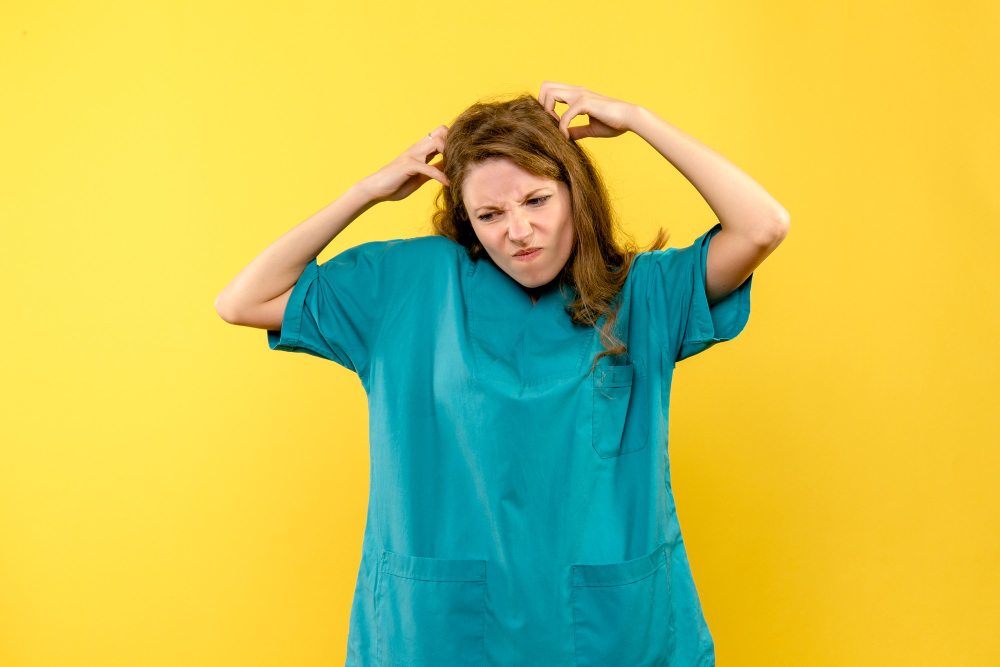
Scalp dysesthesia is a challenging and often misunderstood condition that causes burning, tingling, pain, or unusual sensations on the scalp without any visible skin abnormality. Many individuals spend months trying different shampoos, scalp oils, and home remedies with little success, simply because the issue isn’t rooted in the skin alone. To better understand this discomfort, it’s essential to explore the symptoms and treatment of dysesthesia from a neurological, dermatological, and lifestyle perspective. This comprehensive guide will help you understand what scalp dysesthesia truly is, what causes it, and how you can find effective and long-term relief.
What Is Scalp Dysesthesia?
Scalp dysesthesia is defined as abnormal sensations—such as burning, stinging, itching, tenderness, or tightness—occurring on the scalp without visible signs of irritation or inflammation. While the scalp may appear perfectly healthy, individuals often report intense discomfort that can interfere with sleep, daily tasks, and emotional well-being.
Common sensations include:
- A burning or hot feeling
- Sharp or shooting pains
- Tingling or “pins and needles”
- Itching without a rash
- A tight or pulling sensation
- Sensitivity when touching or brushing the hair
Because the symptoms are sensory and not visible, the condition is often misdiagnosed or overlooked. Scalp dysesthesia may be linked to nerve dysfunction, stress, neck tension, or other underlying health issues.
Primary Causes of Scalp Dysesthesia
Understanding the potential causes is the key to proper diagnosis and treatment. Scalp dysesthesia typically arises from one or more of the following contributors.
Neurological Causes
Scalp dysesthesia frequently has a neuropathic origin—meaning the nerves in the scalp are irritated, overly sensitive, or misfiring. Some of the most common neurological triggers include:
Cervical Spine Issues
Damage or pressure on the nerves originating from the cervical spine (neck region) can radiate upward to the scalp. Problems such as herniated discs, nerve compression, or chronic neck tension may cause scalp pain or tingling.
Peripheral Neuropathy
When the sensory nerves miscommunicate with the brain, they may send pain or burning signals even without an external trigger. This can occur due to diabetes, vitamin deficiencies, or autoimmune conditions.
Occipital Neuralgia
This condition occurs when the occipital nerves—running from the top of the spine to the scalp—become inflamed or compressed. It often causes sharp, shooting pain on one side of the scalp.
Migraine-Related Sensitivity
People who experience migraine may have heightened scalp sensitivity (allodynia), where even gentle touch becomes painful.
Musculoskeletal and Postural Causes
The way you hold your head and neck can significantly impact nerve pathways related to the scalp.
Poor Posture
Slouching at a computer, looking down at your phone for extended periods, or working long hours with poor ergonomics can cause neck and shoulder tension, which may compress nerves and lead to scalp discomfort.
Muscle Tension
Tight muscles in the upper back, jaw, or neck—often referred to as tension myalgia—can trigger nerve irritation that travels up to the scalp.
Temporomandibular Joint (TMJ) Issues
Jaw misalignment or clenching can contribute to head and scalp sensitivity.
Psychological and Stress-Related Factors
The mind-body connection plays a major role in scalp dysesthesia. Stress amplifies nerve sensitivity, increases muscle tension, and disrupts how the brain interprets sensory signals.
Stress and Anxiety
Chronic stress can heighten the nervous system’s response to normal stimuli, leading to exaggerated sensations like burning or tingling on the scalp.
Somatic Symptom Response
In some individuals, emotional stress manifests physically, resulting in scalp tenderness or discomfort without medical findings.
Dermatological Factors
Even without visible signs, the scalp’s skin barrier may be slightly compromised, contributing to sensitivity.
Subclinical Irritation
Harsh shampoos, chemical treatments, or heat styling may irritate the scalp’s nerve endings even if no rash is present.
Trichodynia
Also known as “hair pain,” this condition causes discomfort on the scalp when touching or moving the hair. It is often linked to stress or nerve dysregulation.
Allergic Reactions
Sensitivity to hair dyes, fragrances, or preservatives can create sensory disturbances.
Also Read: https://regic.net/category/health/
Underlying Medical Conditions
Some systemic health issues may contribute to scalp dysesthesia, including:
- Thyroid disorders
- Diabetes
- Vitamin B12 or iron deficiency
- Autoimmune nerve disorders
- Hormonal changes
Evaluating medical history and nutrient levels is essential when symptoms persist.
How Scalp Dysesthesia Is Diagnosed
Because there are no visible signs, diagnosing scalp dysesthesia requires a thorough and careful evaluation. Doctors may perform several assessments to pinpoint the cause.
Detailed Symptom Review
Clinicians gather information about:
- When symptoms began
- What worsens or relieves them
- Any recent lifestyle, emotional, or physical changes
This helps determine whether the cause is neurological, dermatological, or stress-related.
Physical Examination
Although the scalp appears normal, your provider may look for subtle signs of irritation, dryness, or tension. They may also check for posture-related issues and tenderness in the neck muscles.
Neurological Testing
If nerve dysfunction is suspected, tests may include:
- Cervical spine MRI
- Nerve conduction studies
- Sensory response evaluations
These help rule out nerve compression or neuropathy.
Dermatological Testing
Patch testing may be recommended if allergies or product sensitivities are suspected.
Effective Treatment Options for Scalp Dysesthesia
Treating scalp dysesthesia requires a multi-layered approach because the condition can stem from both physical and emotional factors. A combination of medications, lifestyle changes, and supportive therapies often delivers the best results.
Medication Options
Topical Treatments
- Capsaicin cream: Desensitizes overactive nerves.
- Lidocaine gel: Provides temporary numbing.
- Menthol or cooling lotions: Offers soothing relief.
- Low-potency steroid lotions: Helpful when mild inflammation is present.
Oral Medications
Often recommended when nerve dysfunction is the primary cause:
- Gabapentin or pregabalin for nerve-related pain
- Low-dose antidepressants to calm sensory pathways
- Anti-anxiety medications when stress is a major factor
Physical and Postural Therapies
Correcting posture and relieving muscle tension can dramatically reduce scalp discomfort.
Physical Therapy
Exercises that strengthen the neck and shoulders help improve nerve alignment and reduce compression.
Massage Therapy
Releases built-up tension in the neck and upper back.
Ergonomic Adjustments
Simple changes—like raising your screen to eye level—can prevent strain.
Stress Management Techniques
Because stress intensifies nerve sensitivity, relaxation techniques are extremely beneficial.
Mindfulness and Meditation
Helps calm the nervous system and reduce sensory overload.
Yoga and Light Stretching
Releases physical and emotional tension.
Cognitive Behavioral Therapy (CBT)
Useful for those whose symptoms worsen with anxiety or chronic stress.
Hair and Scalp Care Adjustments
Simple care changes can ease irritation:
- Use sulfate-free, fragrance-free shampoos
- Avoid tight hairstyles
- Limit heat styling
- Keep the scalp moisturized
- Reduce use of harsh chemical treatments
Healthy scalp care supports healing, even when the primary cause is nerve-related.
Nutritional and Medical Support
Correcting underlying deficiencies, such as B12, vitamin D, magnesium, or iron—can significantly reduce symptoms. Managing blood sugar levels in diabetic patients also improves nerve function.
When to Seek Professional Help
You should consult a specialist if:
- Symptoms persist longer than a few weeks
- Pain affects daily life or sleep
- There is numbness, headache, or muscle weakness
- You suspect an allergy or new product sensitivity
A dermatologist, neurologist, or pain specialist can help you create a personalized treatment plan.
Conclusion
Scalp dysesthesia may be invisible to the eye, but its impact on comfort, confidence, and quality of life is significant. Understanding the condition’s neurological, dermatological, and emotional roots is essential for effective treatment. By combining nerve-based therapies, posture correction, stress reduction, and gentle scalp care, many individuals can find meaningful and lasting relief. As scientific understanding continues to evolve through the latest DSP research studies, we gain better insight into nerve-related scalp sensitivity and new potential treatment pathways. With the right guidance and a comprehensive approach, managing scalp dysesthesia becomes not only possible but highly achievable.