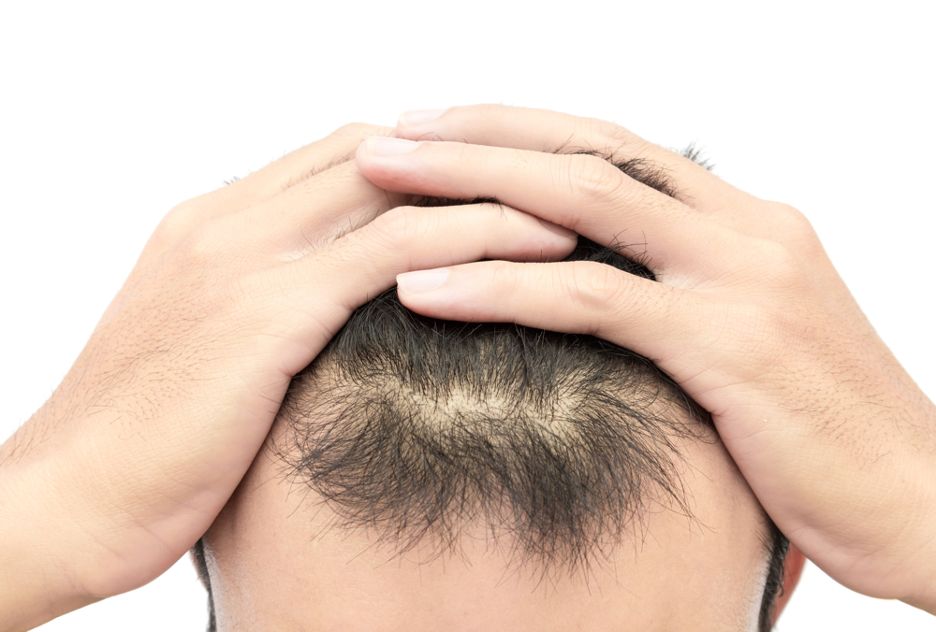
Hair loss can be a deeply personal and frustrating experience, affecting confidence, self-image, and emotional well-being. While shedding a few strands daily is normal, excessive or sudden hair loss often signals an underlying issue that should not be ignored. Knowing when to seek professional guidance can make a significant difference in preserving hair health and preventing further damage. Consulting a Hair Specialist Doctor In Dubai at the right time allows you to understand the root cause of hair loss and explore safe, effective solutions tailored to your needs. Hair loss does not happen overnight, and early warning signs are often subtle. Many people delay seeking help, hoping the issue will resolve on its own. However, timely attention can slow progression, improve outcomes, and restore confidence before the condition worsens.
Understanding Normal vs Abnormal Hair Loss
It is completely normal to lose 50 to 100 hairs per day as part of the natural hair growth cycle. Hair continuously goes through phases of growth, rest, and shedding. Problems arise when shedding becomes excessive, hair regrowth slows, or visible thinning appears on the scalp.
Abnormal hair loss may present as widening part lines, receding hairlines, patchy bald spots, or overall thinning. When these changes persist for weeks or months, they may indicate hormonal imbalances, nutritional deficiencies, scalp conditions, or genetic factors that require professional evaluation.
Early Signs You Should Not Ignore
One of the biggest mistakes people make is waiting too long to seek help. Early signs of hair loss often include increased hair fall during washing or brushing, noticeable thinning at the crown, or reduced hair volume in ponytails.
Other warning signs include scalp itching, redness, flaking, or pain. These symptoms may point to scalp health issues that directly affect hair follicles. Addressing these concerns early can help protect existing hair and improve overall scalp condition.
Sudden or Excessive Hair Shedding
Sudden hair shedding can be alarming and is often linked to stress, illness, hormonal changes, or nutritional deficiencies. This type of hair loss may occur a few months after a triggering event and can affect large areas of the scalp.
If hair fall seems excessive or continues beyond a short period, professional evaluation becomes important. Identifying the trigger early allows for corrective steps that support natural regrowth and prevent prolonged thinning.
Patchy Hair Loss or Bald Spots
Hair loss that appears in patches or circular bald spots is not typical and should be addressed promptly. This type of hair loss may be associated with immune-related conditions or scalp disorders.
Ignoring patchy hair loss can lead to further spread or permanent follicle damage. Early assessment helps determine the cause and supports timely management to protect surrounding hair.
Gradual Thinning and Pattern Hair Loss
Gradual thinning, especially around the temples or crown, is a common concern for both men and women. Pattern hair loss often develops slowly, making it easy to overlook until significant density is lost.
Seeking guidance during the early stages allows for better long-term management. Slowing progression early often produces more noticeable and lasting improvements compared to delayed intervention.
Hair Loss Accompanied by Scalp Problems
A healthy scalp is essential for healthy hair growth. Persistent dandruff, itching, redness, or inflammation can weaken hair follicles and contribute to hair loss.
When scalp discomfort accompanies hair fall, it is a strong sign that professional evaluation is needed. Treating scalp conditions alongside hair concerns creates a healthier environment for regrowth and improved hair strength.
Hair Loss After Lifestyle or Hormonal Changes
Major life changes can have a direct impact on hair health. Pregnancy, weight fluctuations, dietary changes, stress, and hormonal shifts can all disrupt the hair growth cycle.
If hair loss continues even after lifestyle stabilization, it may indicate deeper imbalances. Professional assessment helps identify whether nutritional support, stress management, or targeted care is required to restore hair health.
Emotional Impact of Hair Loss
Hair loss does not only affect physical appearance; it can also influence mental and emotional well-being. Many individuals experience anxiety, reduced self-esteem, or social discomfort due to visible thinning.
When hair loss begins to impact confidence or daily life, seeking expert advice becomes an important step toward emotional relief as well as physical improvement. Feeling informed and supported often reduces stress, which itself plays a role in hair health.
Why Early Consultation Matters
Early consultation offers a proactive approach rather than reactive damage control. Hair follicles that are still active respond better to supportive treatments and lifestyle adjustments.
Waiting too long may limit available options and reduce the effectiveness of non-invasive approaches. Early action focuses on preserving existing hair, strengthening follicles, and improving scalp health before irreversible changes occur.
What to Expect During an Evaluation
A professional hair evaluation focuses on understanding your hair history, lifestyle factors, and scalp condition. This holistic approach helps identify patterns and triggers that contribute to hair loss.
Assessment may include visual examination of the scalp, discussion of daily habits, and analysis of hair texture and density. This comprehensive understanding supports a personalized strategy for long-term hair wellness.
Supporting Hair Health After Consultation
Once the cause of hair loss is identified, consistent care becomes essential. Maintaining a balanced diet, managing stress, and following recommended scalp care routines can significantly improve results.
Hair health is a long-term commitment rather than a quick fix. Small, consistent efforts often lead to noticeable improvements over time, especially when guided by professional insight.
Preventing Further Hair Damage
Beyond addressing current hair loss, professional guidance also focuses on prevention. Understanding which habits harm hair allows you to make informed changes, such as avoiding excessive heat styling, harsh products, or tight hairstyles.
Preventive care protects existing hair and supports stronger, healthier growth cycles in the future.
Second Last Thoughts on Professional Guidance
Recognizing the right time to seek help can protect both your hair and your confidence. Persistent shedding, thinning, scalp discomfort, or emotional distress are clear signs that professional insight is needed. Consulting a Hair Specialist Doctor during these stages helps clarify the cause of hair loss and supports timely, effective management.
Final Conclusion
Hair Specialist Doctor is a common concern, but it should never be ignored when it begins to affect your appearance or well-being. Understanding early warning signs, acting promptly, and committing to consistent care can make a meaningful difference. With the right guidance, hair loss can be managed effectively, helping you maintain healthier hair, improved confidence, and long-term scalp wellness.