
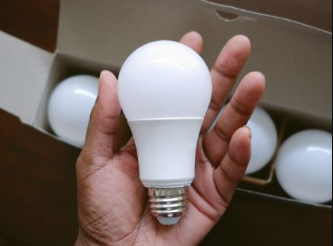
The manufacturing of LED bulbs has transformed the global lighting industry, offering energy-efficient, long-lasting, and environmentally friendly alternatives to traditional incandescent and fluorescent lights. As demand for sustainable lighting solutions continues to rise, understanding the materials, technology, and innovation behind LED bulb manufacture becomes increasingly important. From raw material selection to advanced production techniques, every step in Led bulb manufacturer plays a vital role in performance, durability, and efficiency.
Understanding LED Bulb Manufacturing
LED stands for Light Emitting Diode, a semiconductor device that produces light when an electric current passes through it. Unlike conventional bulbs that rely on heated filaments or gas discharge, LED bulbs generate light through electroluminescence. This fundamental difference is what makes LED bulb manufacture both technologically advanced and highly efficient.
The LED bulb manufacturing process involves multiple stages, including semiconductor fabrication, component assembly, thermal management integration, optical design, and final testing. Each stage requires precision engineering and quality control to ensure consistent performance and long operational life.
Materials Used in LED Bulb Manufacture
Materials selection is the foundation of LED bulb manufacturing. High-quality materials directly influence light output, energy efficiency, color accuracy, and lifespan.
The core component of an LED bulb is the semiconductor chip, usually made from gallium-based compounds such as gallium nitride or gallium arsenide. These materials are chosen for their ability to emit light efficiently when energized. The purity and crystalline structure of the semiconductor material are critical, as even minor defects can affect brightness and efficiency.
Encapsulation materials are also essential in LED bulb manufacture. Epoxy resins or silicone compounds are commonly used to protect the LED chip from moisture, dust, and mechanical damage. Silicone is often preferred in modern LED bulbs because it offers better heat resistance and longer durability.
Thermal management materials play a key role in extending LED bulb lifespan. Aluminum heat sinks are widely used to dissipate heat away from the LED chip. Efficient heat dissipation prevents overheating, which can degrade light output and reduce operational life. In advanced LED bulb manufacture, composite materials and innovative heat sink designs are employed to enhance thermal performance.
Optical materials such as polycarbonate or acrylic lenses are used to control light distribution and improve visual comfort. These materials are selected for their clarity, strength, and resistance to yellowing over time.
Technology Behind LED Bulb Manufacturing
Technology is the driving force behind modern LED bulb manufacture. The process begins with wafer fabrication, where semiconductor layers are grown on a substrate using techniques such as metal-organic chemical vapor deposition. This stage requires cleanroom environments and highly controlled conditions to achieve consistent quality.
Once the semiconductor wafer is prepared, it is cut into tiny LED chips. These chips are then mounted onto a circuit board using surface-mount technology. Precision placement ensures proper electrical connections and optimal light output.
Driver technology is another critical aspect of LED bulb manufacture. The LED driver regulates electrical current and converts alternating current from power sources into direct current suitable for LEDs. Advanced driver designs improve energy efficiency, reduce flicker, and protect the LED from voltage fluctuations.
Thermal management technology has seen significant advancements in recent years. Computer-aided design and simulation tools are used to optimize heat sink geometry and airflow. This ensures that heat is effectively dissipated, even in compact bulb designs.
Automation and robotics have also transformed LED bulb manufacturing. Automated assembly lines improve consistency, reduce production costs, and increase output. Robotics are used for chip placement, soldering, and inspection, minimizing human error and enhancing quality control.
Quality Control and Testing in LED Bulb Manufacture
Quality assurance is a critical component of LED bulb manufacture. Each bulb undergoes rigorous testing to ensure it meets performance and safety standards. Electrical testing verifies voltage stability, current regulation, and power consumption. Optical testing measures brightness, color temperature, and color rendering index.
Thermal testing evaluates how effectively the bulb manages heat during operation. Long-term aging tests simulate extended use to identify potential failures and ensure durability. Compliance with international standards ensures that LED bulbs are safe, reliable, and suitable for global markets.
Innovation in LED Bulb Manufacturing
Innovation continues to reshape LED bulb manufacture, pushing the boundaries of efficiency, design, and functionality. One of the most significant innovations is the development of high-efficiency LED chips that produce more light with less power. These advancements contribute to lower energy consumption and reduced environmental impact.
Smart LED bulbs represent another major innovation. Integrated sensors, wireless connectivity, and intelligent drivers allow users to control brightness, color, and scheduling through mobile applications or smart home systems. This has expanded the scope of LED bulb manufacture beyond illumination into connected technology.
Advancements in materials science have also led to improved phosphor coatings. These coatings convert blue LED light into a broad spectrum of white light, enhancing color quality and consistency. Improved phosphor formulations result in better color rendering and more natural lighting experiences.
Miniaturization is another key trend in LED bulb manufacturing. Smaller, more powerful LED chips enable compact bulb designs without sacrificing brightness. This has opened new possibilities for decorative lighting, architectural applications, and portable devices.
Sustainability-driven innovation is gaining momentum as well. Manufacturers are focusing on recyclable materials, reduced hazardous substances, and energy-efficient production processes. Environmentally responsible LED bulb manufacture aligns with global efforts to reduce carbon emissions and electronic waste.
Challenges in LED Bulb Manufacture
Despite its advantages, LED bulb manufacture faces several challenges. High initial investment in equipment and technology can be a barrier for new manufacturers. Maintaining consistent quality across large-scale production requires continuous monitoring and process optimization.
Thermal management remains a critical challenge, especially as bulbs become smaller and more powerful. Efficient heat dissipation is essential to maintain performance and longevity. Additionally, market competition drives the need for constant innovation while keeping costs competitive.
Supply chain management is another important consideration. The availability and cost of raw materials, particularly semiconductor components, can impact production timelines and pricing. Manufacturers must balance quality, cost, and innovation to remain competitive in the global market.
The Future of LED Bulb Manufacturing
The future of LED bulb manufacture is closely tied to technological progress and sustainability goals. Ongoing research in semiconductor materials promises even higher efficiency and longer lifespan. Integration with renewable energy systems and smart infrastructure will further expand the role of LED lighting in modern society.
Artificial intelligence and data analytics are expected to enhance manufacturing efficiency through predictive maintenance and process optimization. These technologies will enable manufacturers to reduce waste, improve quality, and respond quickly to market demands.
As regulations favor energy-efficient lighting, LED bulb manufacture will continue to grow globally. Emerging markets and infrastructure development will drive demand for affordable, durable, and efficient lighting solutions.
Conclusion
Led bulb manufacturer is a sophisticated blend of materials science, advanced technology, and continuous innovation. From semiconductor chips and thermal management materials to automated production lines and smart lighting solutions, every element contributes to the efficiency and reliability of modern LED bulbs. As the lighting industry evolves, advancements in LED bulb manufacturing will play a crucial role in shaping a more sustainable, energy-efficient, and technologically connected future.