
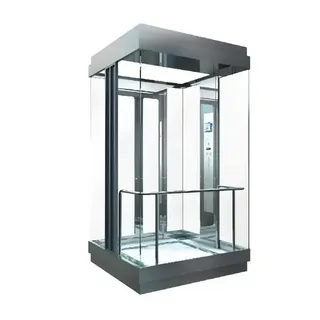
For centuries, the elevator has been a purely functional box—a utilitarian machine designed for efficient vertical transport. Today, that narrative is being elegantly rewritten. The round elevator is no longer a novelty but a sophisticated design statement, seamlessly blending cutting-edge engineering with artistic form. This article delves into the world of cylindrical lifts, exploring their unique advantages, technical considerations, and transformative impact on residential and commercial spaces. Moving beyond the standard shaft, these circular marvels are elevating interiors, quite literally, to new aesthetic heights.
What is a Round Elevator? Beyond the Square Box
A round elevator, as the name implies, is a passenger or residential lift with a cylindrical cab and, typically, a curved hoistway. Unlike traditional rectangular models, its design breaks from angular conventions, offering a fluid, organic shape. This isn’t merely a cosmetic change; the circular form factor influences everything from structural support and door mechanics to the passenger’s sensory experience. From glass panoramic models that offer 360-degree views to sleek metallic private lifts, the round elevator represents the convergence of architectural ambition and precision engineering.
The Compelling Advantages of a Cylindrical Lift
Why choose a round design over a conventional one? The benefits extend far beyond mere aesthetics.
1. Unmatched Aesthetic Appeal & Architectural Integration
The primary driver is visual impact. A round elevator acts as a dynamic sculptural element. It can serve as the stunning centerpiece of an atrium, a graceful tube of light in a modern home, or a transparent cylinder showcasing movement within a commercial building. Its curves soften architectural lines and create a natural focal point.
2. Space Efficiency and Innovative Layout Solutions
Surprisingly, a circular footprint can be more space-efficient in certain layouts. It eliminates corner space that is often dead or difficult to utilize in a square shaft. A round elevator can be perfectly integrated into curved walls or positioned in the center of a room without the harshness of right angles, allowing for more creative and fluid interior planning.
3. Panoramic Views and Enhanced User Experience
When constructed with glass walls, a panoramic round elevator provides an uninterrupted, immersive viewing experience. The absence of corners maximizes the field of vision, making ascents and descents a captivating journey. This is particularly valuable in luxury penthouses, waterfront properties, and landmark observation towers.
4. Structural and Aerodynamic Considerations
From an engineering perspective, cylindrical shapes distribute stress more evenly than rectangular ones, which can be advantageous for freestanding or exterior installations. Additionally, the curved surface can promote better air flow around the cab, potentially reducing wind resistance and noise in certain applications.
Key Design and Technical Considerations
Implementing a circular lift requires careful planning. Key factors include:
Door Configuration and Mechanics
The door system is a critical technical challenge. Options include:
-
Curved Sliding Doors: These follow the contour of the cab, offering a seamless, space-saving opening.
-
Center-Opening Doors: A more conventional system adapted to a curved front.
-
No Door (Open Cab): In residential settings, a doorless, slow-moving lift adds dramatic effect.
Hoistway and Support Structure
Building a curved hoistway demands precise construction. For new builds, it’s integrated into the architectural plans. Retrofitting a round elevator into an existing structure is complex and often involves constructing a new shaft, which can be more feasible in spacious areas like grand entryways.
Interior Customization and Finishes
The cabin’s interior offers a world of customization. From bespoke handrails and curved benches to specialty lighting that highlights the form, every element must be tailored to the curvature. Materials like brushed metal, custom wood veneers, and tempered glass are commonly used.
Modern Applications: Where Round Elevators Shine
Luxury Residential Projects
In high-end homes and penthouses, a private round elevator is the ultimate luxury. It serves as a functional art piece, connecting floors with style and often providing views through multiple levels of the home.
Commercial and Hospitality Spaces
Hotels, galleries, and corporate atriums use round elevators to create a memorable first impression. They enhance the customer experience and reinforce a brand’s commitment to innovative design.
Public and Observation Decks
For tourist attractions and skyscrapers, glass panoramic round elevators are an attraction in themselves, turning a simple ride into a thrilling, view-oriented experience.
The Installation Process: What to Expect
Installing a cylindrical lift is a specialized process. It begins with a comprehensive feasibility study and custom design. Precision manufacturing of the curved components follows. On-site, the construction of the true-round shaft requires expert craftsmanship, followed by the installation of the guide rails, cab, and specialized door mechanism. The process is typically longer and requires closer collaboration between architects, builders, and elevator specialists than a standard lift installation.
Cost Analysis: Investment vs. Value Addition
A round elevator is a premium product. Costs are significantly higher than for a standard model due to custom engineering, specialized materials, and complex installation. However, it’s an investment that adds substantial value to a property, often enhancing its market appeal and perceived luxury status, potentially yielding a high return in premium real estate markets.
Maintenance and Safety of Curved Elevator Systems
Safety is paramount. Round elevators comply with the same rigorous codes (like ASME A17.1) as traditional lifts. Maintenance requires technicians trained on the specific door mechanisms and curved guide systems. Regular servicing of the unique track and door assemblies is essential for long-term reliability and safety.
Future Trends: The Evolution of Circular Elevator Design
The future points towards greater integration of technology and sustainability. We can expect:
-
Smart Glass: Cabs that switch from transparent to opaque for privacy.
-
Energy-Efficient Systems: Regenerative drives that harness energy from the lift’s movement.
-
Ultra-Minimalist Designs: Even sleeker profiles with hidden mechanics for a floating effect.
-
Multi-Directional Lifts: Incorporating circular cabs into magnetic or ropeless systems for horizontal and vertical movement.
Conclusion
The round elevator has successfully transitioned from architectural fantasy to attainable luxury and innovative commercial solution. It challenges the rigid geometry of traditional vertical transport, replacing it with a fluid, elegant, and experiential alternative. While it demands a greater investment in design, engineering, and cost, the payoff is a transformative element that elevates not just people, but the very space it inhabits. For those looking to make a definitive statement in design, the round elevator offers a compelling, beautiful, and efficient path upward.
Frequently Asked Questions (FAQs)
1. Is a round elevator less safe than a traditional square one?
No. Reputable manufacturers build round elevators to meet or exceed all national and local safety codes (ASME A17.1, EN 81). They incorporate the same safety features—brakes, overspeed governors, door sensors—within their curved design.
2. Can I install a round elevator in my existing home?
It is possible but more complex and invasive than installing a standard lift. It typically requires building a new, structurally supported cylindrical shaft, which is most feasible in homes with ample space, such as a large foyer or alongside a staircase. A detailed site survey by a specialist is essential.
3. Are the doors on a round elevator reliable?
Yes. Modern curved sliding door systems are engineered for reliability and smooth operation. They require specialized maintenance, but when installed and serviced by certified professionals, they are as dependable as traditional elevator doors.
4. How much more expensive is a round elevator compared to a standard one?
Costs can be 50% to 150% higher, or more, depending on size, materials (e.g., full glass), and installation complexity. The custom nature of every component—from the cab to the shaft—drives the premium price.
5. What are the space requirements for a round elevator?
The diameter is the key measurement. A typical residential round elevator might have a cab diameter of 5 to 7 feet to accommodate riders comfortably. The total shaft diameter will be larger to account for the structure, guides, and clearance. Your provider will calculate the precise spatial footprint needed.